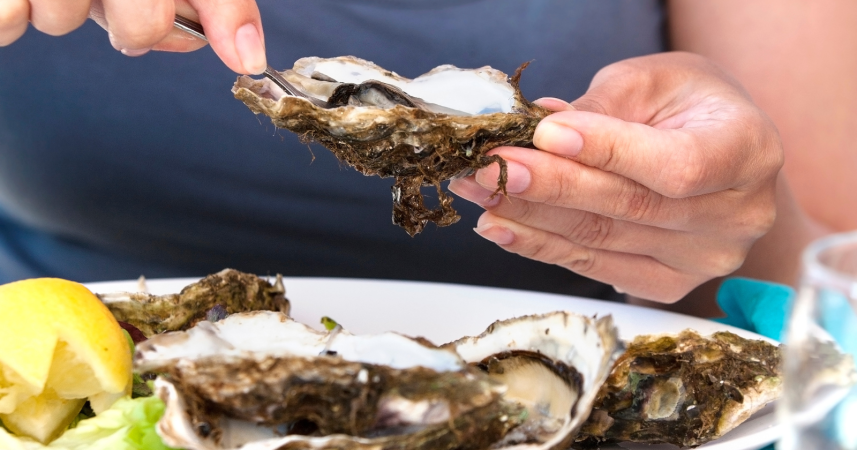
Pay attention to the moment your brain says, “Oh—so that’s what this is supposed to taste like.” That’s not just flavor. That’s curiosity winning.

Add VegOut to your Google News feed. 
We all have that one food we’ve sworn off since childhood.
Maybe it was the smell.
Maybe a soggy school lunch ruined the category for a decade.
Or maybe you just decided “not for me” before ever trying it.
Here’s the fun part: a lot of those “nope” foods turn into instant favorites when they’re cooked well and given the right supporting cast. After a decade in luxury F&B—and a lifetime of tasting anything put in front of me—I’ve watched hundreds of people do a complete 180 after one bite.
Let’s talk about seven unfairly maligned foods that win people over fast, plus the tricks that make them shine.
1) Anchovies
I get the reaction. Fishy. Salty. Tiny filets that look like they might stare back at you.
But anchovies aren’t meant to be the star. They’re the wizard behind the curtain—the umami engine you don’t see, only feel. Melt them into olive oil with garlic and chili flakes, toss with pasta, and you don’t taste “fish.” You taste depth. The kind of savory warmth that makes a Tuesday night spaghetti taste like you somehow snuck into a Roman nonna’s kitchen.
If that still feels like a leap, start with Caesar dressing done right. A single anchovy pounded into a paste disappears into the emulsion and suddenly the dressing has backbone. The “wow” factor is just glutamates doing their thing.
Two tips I swear by. First, buy good quality in a glass jar, packed in olive oil. Second, let them dissolve. The goal isn’t to find a fish; it’s to unlock flavor. One bite, and you’ll realize why chefs treat anchovies like a secret handshake.
2) Brussels sprouts
Yes, the boiled, sulfuric version from childhood is a villain. But that’s not the vegetable’s fault—it’s physics. Boiling locks in water and compounds that scream “cabbage gone wrong.”
The redemption arc? High heat. Halve them, toss with olive oil and salt, then roast at 450°F until the cut sides turn mahogany and the leaves crisp up like little chips. The bitterness mellows, the sugars caramelize, and you get that sweet–nutty thing that makes you eat them like popcorn.
At a tasting I ran years ago, I served roasted Brussels with a splash of reduced balsamic and a snow of shaved pecorino. A guy who introduced himself as “the biggest Brussels-hater at this table” ended up taking the platter home. The trick was texture. Crisp edges and tender cores flip the narrative in one bite.
Bonus move: char them in a hot skillet, then finish with a squeeze of lemon and a spoon of coarse mustard. Brightness + fat + heat = forgiveness.
3) Oysters
Raw oysters can be terrifying if your only reference point is a slippery gray mystery. I was late to them, too. Then a Roman chef (off-duty, glass of Frascati in hand) taught me the progression.
Start small, cold, and clean. Go for a briny variety like a Kusshi or a Fines de Claire, freshly shucked, over crushed ice. Add a dab of mignonette or just a squeeze of lemon—nothing that masks, just enough acidity to wake up the minerality. Tip it back. Notice the salinity, the cucumber note, the sweet finish. It’s the ocean, composed.
The turning point for most people isn’t the first oyster. It’s the second, a minute later, when your brain realizes your mouth is expecting sea breeze, not fear. From there, it’s a short walk to grilled oysters with garlic-parsley butter or a classic Rockefeller. Hot, perfumed, and rich—those are gateway oysters. After one bite, the slippery fear becomes silky pleasure.
If texture is your hang-up, try them lightly fried with a lemony aioli. Crunch outside, custard inside. It’s a cheat code.
4) Blue cheese
Blue cheese has a PR problem. It smells wild, looks marbled with something from a geology exhibit, and people imagine it will punch them in the face.
The reality: it can be elegant and sweet when you match it smartly. I like to introduce blue by playing with honey and fruit. A small wedge of Gorgonzola dolce on grilled peaches with a drizzle of honey? It’s a cheese course disguised as dessert. You get cream, salt, floral sweetness, and the faintest mushroomy echo—the culinary equivalent of a jazz chord.
Another path is crumble-land. Toss a restrained amount through a warm salad with roasted beets and walnuts, and watch the cheese soften just enough to cloak everything in velvet. Balanced bitterness (greens), sweetness (beets), fat (cheese), crunch (nuts). That’s a first-bite conversion kit.
Buy styles on the gentle end of the spectrum to start—dolce gorgonzola or a creamy Danish blue. Save Roquefort for later, once you’re ready to meet the rock star.
5) Kimchi
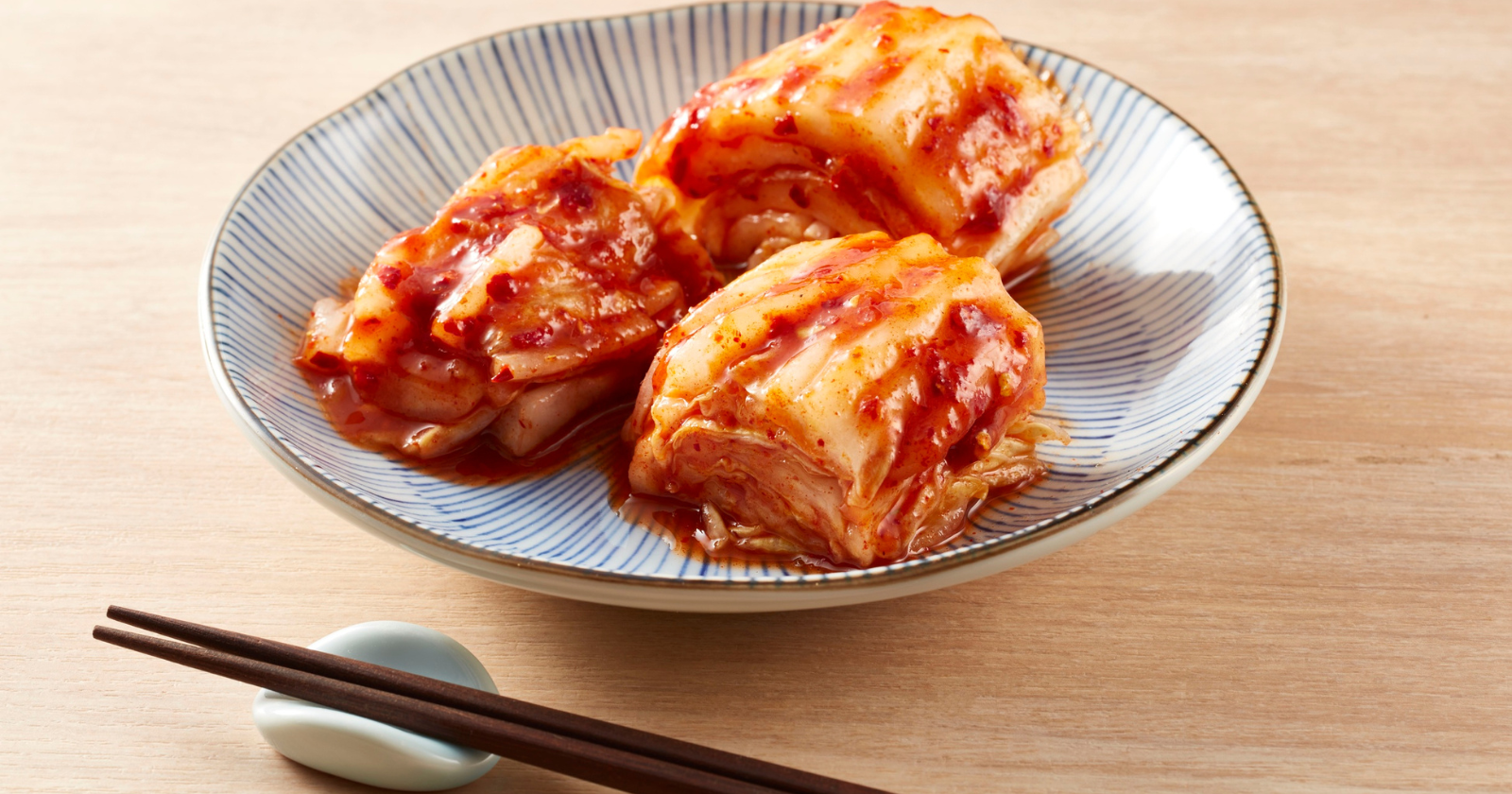
Fermented, funky, and fiery—kimchi can seem loud if you’ve never met it. Then it hits your tongue and does a perfect choreography: sour sparks, chili heat, faint sweetness, crunch. Suddenly your eggs, rice, or grilled cheese tastes like it has its own plot line.
The move is to use it as an accent. I fold chopped kimchi into fried rice or stir it into mayo for a tangy sandwich spread. Kimchi pancakes (kimchijeon) are the snack you make once and then crave every rainy afternoon for a year. And if you like a project, throw a spoonful into braised beans near the end; the acidity cuts through starch and wakes everything up.
There’s also a health kicker here—fermentation brings probiotics to the party. But honestly, the reason people fall for kimchi isn’t fiber stats. It’s that one bite cuts through heaviness and makes simple food taste alive.
If heat is a concern, start with white kimchi (baek-kimchi). Less chili, same magic.
6) Eggplant
Eggplant’s bad reputation comes down to two words: spongy and bitter. That happens when it’s undercooked or waterlogged. Treat it with assertive heat and enough fat, and it transforms from squeaky to silken.
Slice it thick, score it, rub with olive oil, salt, and a little miso or soy sauce, and roast until the flesh collapses and the edges caramelize. The umami glaze plus that custardy texture turns skeptics into thieves stealing pieces from the pan.
Two dishes that deliver instant conversion: baba ghanoush and pasta alla Norma. For baba, you char whole eggplants over an open flame (or under a broiler) until the skins are practically burnt, then scoop out the smoky interior and blitz with tahini, lemon, and garlic. It’s campfire meets silk scarf. With Norma, you fry or roast eggplant cubes and toss them with tomatoes, basil, and pasta. The eggplant drinks in the sauce and becomes part of it—no sponginess, just flavor.
If you’ve only met the rubbery version from a lukewarm buffet, trust me: it wasn’t eggplant’s fault.
7) Beets
Finally, the “tastes like dirt” legend. If you’ve only had beets from a can—or boiled into submission—I get it. But roast them the way you’d roast a sweet potato and everything changes.
Wrap whole beets in foil or cover them in a lidded dish, roast until a knife slides in with no resistance, then rub off the skins with a paper towel. What you’re left with is candy from the soil—deep, sweet, and earthy in the best way. Slice and finish with orange zest, balsamic, and a pinch of flaky salt. One bite and the word “dirt” will be replaced with “dessert-adjacent.”
For skeptics at my table, I’ll pair roasted beets with citrus segments, toasted pistachios, and a tangy vinaigrette. The acid pulls the sweetness into focus. If you’re already on board, take the next step: shave raw beets paper-thin and marinate them with lemon and olive oil. Crunchy, bright, and shockingly refreshing.
And don’t toss the greens. Sauté them like Swiss chard with garlic and olive oil. That’s two wins from one vegetable.
Why we “hate” foods we’ve barely met
A quick psychology aside, because how we eat is how we live. The “mere exposure effect” suggests we like things more the more we encounter them (up to a point).
Our brains are risk-averse with novelty, especially when smell is involved. When we pair a new food with a familiar context—roasted Brussels alongside your favorite roast, kimchi folded into fried rice—we lower the perceived risk and let curiosity do its job.
There’s also texture. A lot of food aversion is about mouthfeel, not flavor. Crisping, caramelizing, and balancing fat/acid are texture rescue tools. Once your mouth is happy, your mind tends to follow.
Closing thoughts
A lot of foods we “hate” are just foods we haven’t met in their best light. The right heat, the right pairing, the right first bite—that’s the makeover. If you want a short list to start: melt an anchovy in olive oil, roast your Brussels until they shatter, try one chilled oyster with lemon, fold kimchi into a grilled cheese, spoon blue cheese over grilled fruit, char an eggplant until it collapses, and roast beets like you mean it.
Then pay attention to the moment your brain says, “Oh—so that’s what this is supposed to taste like.” That’s not just flavor. That’s curiosity winning. And that habit—giving the unfamiliar a fair chance—tends to make life outside the kitchen taste better too.