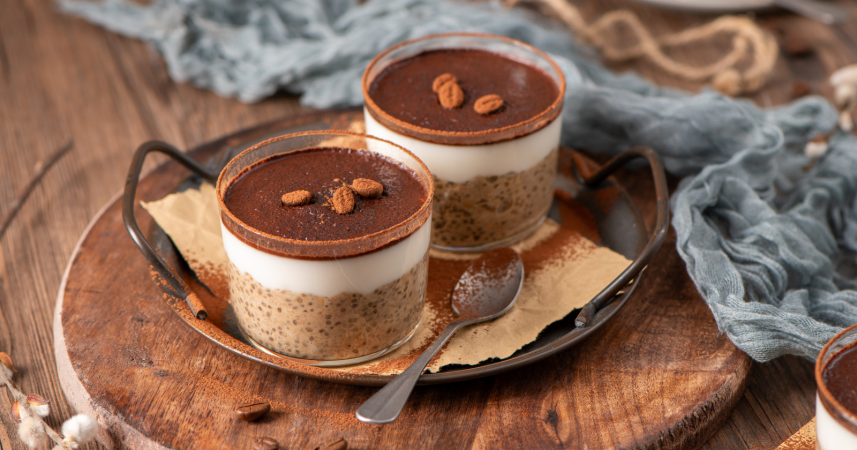
Tiramisu is more on technique than it is about recipe; fix the one small thing that went sideways and try again. That’s how Italian pastry chefs and great kitchens do it.
If there’s one dessert that exposes sloppy technique, it’s tiramisu.
It looks simple—coffee, eggs, mascarpone, ladyfingers, cocoa—but every step is a chance to mess with the texture.
I learned that the hard way in my twenties working the dessert station on a busy Saturday night.
We served a version with a satiny custard and just-set layers.
When it was right, guests ordered extra “for tomorrow” and then ate it before the bill hit the table; when it wasn’t right, it was always texture being too grainy, soggy, soupy, or weirdly stiff.
Here are the six little moves that quietly sabotage your tiramisu—and how to fix them like the pros do:
1) Over-whipping the mascarpone
Ever beat mascarpone until it looks like fluffy whipped cream? That’s the problem.
Mascarpone is a fresh cheese with a high fat content and a delicate structure.
Whip it aggressively and you break that structure as it goes from silky to gritty or even curdled.
Your final cream looks fine in the bowl and then sets like paste in the fridge.
Italian pastry chefs treat mascarpone more like softened butter than cream.
They fold it, they don’t whip it.
The goal is smooth, not airy:
- Let the mascarpone come to cool room temp—about 20–30 minutes on the counter.
- Beat your yolk/sugar (or sabayon—more on that soon) until thick.
- In a separate bowl, loosen the mascarpone by stirring with a spatula or briefly with the lowest speed on a mixer just until no lumps remain.
- Fold the mascarpone into the yolk base in two or three additions.
Minimal strokes, and stop when it’s uniform.
If you want a lighter texture, fold in softly whipped cream at the very end—but only to soft peaks and only until just combined.
2) Using eggs and mascarpone at the wrong temperature
Texture issues often start before you even crack an egg.
Too-cold mascarpone stays lumpy; too-cold yolks don’t emulsify; too-warm cream collapses.
Every chef I’ve worked with repeats the same line: Temperature is an ingredient.
If your components aren’t at compatible temps, they refuse to play nice.
Here’s the sweet spot:
- Egg yolks: Cool room temperature for easier thickening and emulsification.
- Mascarpone: Cool room temperature so it blends without breaking.
- Cream (if using): Cold from the fridge for better whipping, then fold in right away.
- Espresso/coffee: Room temp or slightly warm, never hot.
If the coffee is hot, it melts the fat in the cream and mascarpone on contact and gives you weeping layers; if the cheese is fridge-cold, you’ll chase lumps by mixing longer—and overmixing is how you wind up with graininess.
Tiny change, big payoff: Prep your ingredients 20–30 minutes earlier than you think you need.
Trust me, your future self will thank you for doing this.
3) Over-soaking the ladyfingers
This is the number one reason tiramisu turns into a wet brick.
Ladyfingers (savoiardi) are sponges; dunk them like Oreos and they’ll drink enough liquid to flood the pan.
In service, I watched a line cook dunk-and-hold because “that’s how you get the flavor in.”
The result? A dessert that sliced like lasagna but chewed like pudding.
The fix is counterintuitive: Shorter soaks, better texture, cleaner flavor.
Use a shallow dish for your coffee mixture, then dip each ladyfinger for about 1 second per side.
That’s it—kiss the coffee, don’t drown in it.
Let excess drip off before layering.
If you like a more pronounced coffee taste, concentrate your coffee/alcohol mixture rather than increasing soak time.
A 1:1 blend of strong espresso and Marsala (or rum) with a teaspoon or two of sugar is plenty bold.
Quick tip from a pastry chef in Milan: Place the sugared side down for the bottom layer.
It helps capillary action without oversaturation.
4) Skipping the sabayon (or making a weak one)
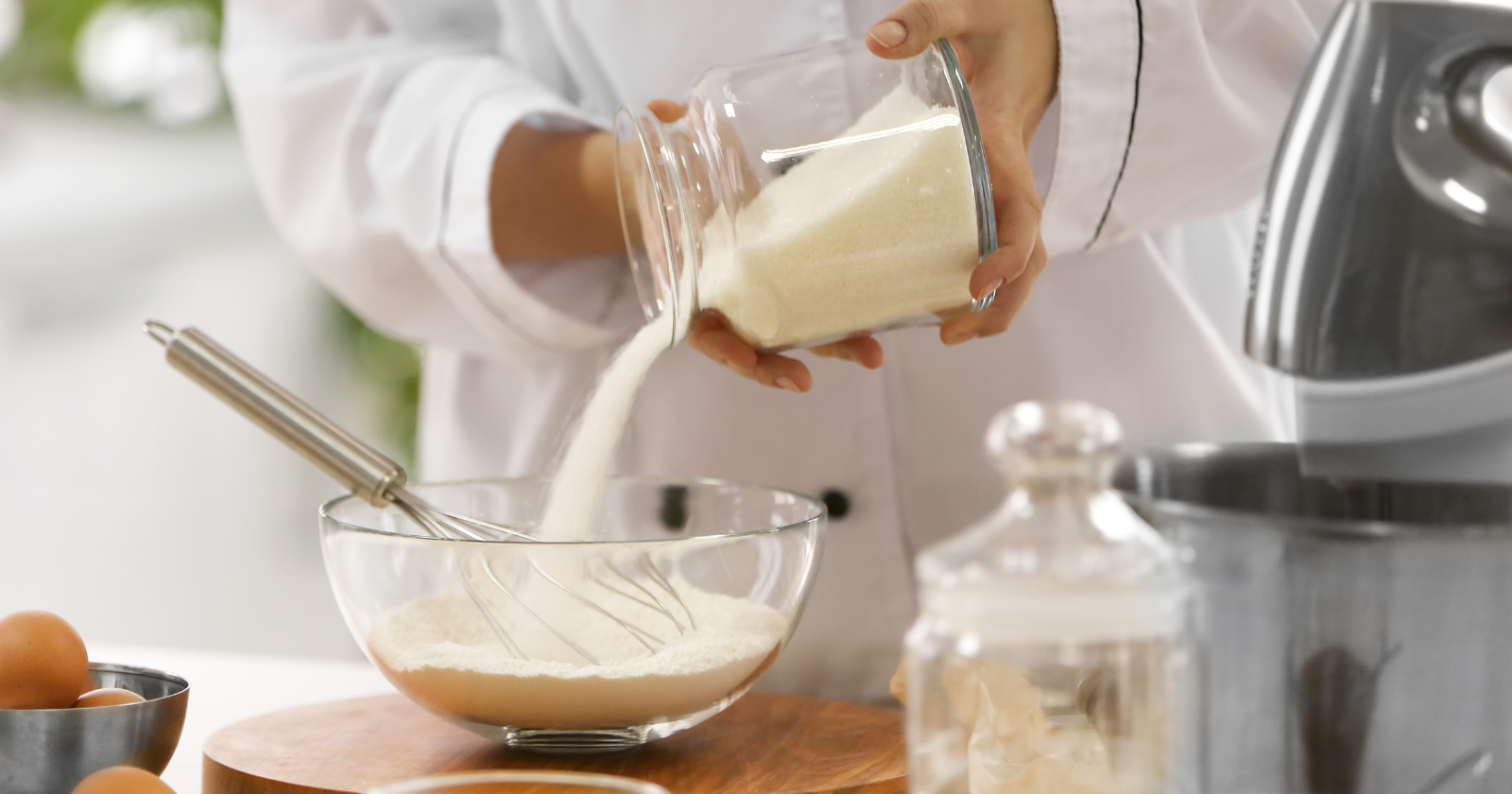
There are two main schools of tiramisu cream:
- Raw yolks whipped with sugar, then mixed with mascarpone.
- A cooked sabayon base (yolks + sugar + Marsala) whisked over gentle heat until thick and ribboning, then cooled and combined with mascarpone.
The first can be great—but it’s riskier—while the second method gives you the texture most people swoon over (lush, stable, and sliceable).
The first can be great, but it’s riskier.
Under-whipped yolks yield a loose cream that never sets, while over-whipped yolks can turn foamy and unstable.
If you’re nervous about raw eggs, you’ll likely underwork them.
A proper sabayon solves all that:
- Set a heatproof bowl over barely simmering water (no touching).
- Whisk yolks, sugar, and a splash of Marsala continuously until the mixture triples in volume, lightens to a pale straw color, and leaves heavy ribbons that briefly sit on the surface.
- Remove from heat and whisk for 30–60 seconds off the heat to stop the cooking.
- Cool to just warm before folding in mascarpone.
Sabayon gives you a gentle wine note that reads as “classic,” and it builds structure without cornstarch, gelatin, or other cheats.
If you want to keep alcohol out, you can make a “dry” sabayon by swapping the Marsala for espresso syrup or just water.
The technique, not the wine, is what makes it set like a dream.
5) Building sloppy layers (thickness and balance)
Texture is not just about cream; it’s about architecture.
Too-thick cream layers slump, too-thin ones disappear, and misaligned ladyfingers create air gaps.
All of that shows up on the plate.
A pastry chef in Rome once told me, “Your knife should meet resistance, then glide.”
The goals here is to be able to make a clean slice that holds, not a soft avalanche.
What I watch for: Uniform ladyfinger rows—no crazy angles, no gaps—and trim if needed.
Here's a quick cheat sheet for you:
- First cream layer: Thin enough to fill seams, thick enough to coat—about ⅓ of your cream.
- Second layer of ladyfingers: Same quick dip, press lightly to make contact.
- Final cream layer: Slightly thicker than the first for a polished top.
In a standard 8×8-inch dish, aim for two layers of soaked biscuits and three layers of cream.
Over-stacking makes for a blocky, rubbery feel; under-layering tastes like coffee cake.
Dust the cocoa when serving, not before chilling—cocoa is hygroscopic and it sucks up moisture and turns muddy if it sits on the cream overnight.
Fresh dusting gives that velvety finish and keeps the top from feeling gummy.
6) Rushing the chill (or chilling forever)
Finally, patience.
Tiramisu is a day-ahead dessert for a reason: The liquid needs time to migrate, the fat needs time to set, and the flavors need time to marry.
If you serve it too soon, it’ll taste fine but eat like a loose trifle; if you leave it for days, the ladyfingers over-soften and the whole thing turns pasty.
Your window of perfection:
- Minimum rest: 6 hours.
- Sweet spot: 12–24 hours.
- Beyond 36 hours, texture starts to degrade.
Chill covered to prevent fridge odors and condensation; if the lid touches the surface, use toothpicks as “tents” so it doesn’t stick to the cream.
Slice with a hot, dry knife—dip the blade in hot water, wipe, cut, wipe, repeat.
Clean edges taste better than you’d think.
If you must freeze, do it in individual portions, well wrapped, and expect a small texture tax on the other side.
The bottom line
Tiramisu is more technique than recipe.
Respect the mascarpone, match your temperatures, dip fast, build clean layers, cook a proper sabayon, and give it time to chill.
The result is a spoon that meets a little resistance and then glides through a cloud.
You get definition in the slice without rubber; you get coffee that tastes like coffee, not a flood.
If your last attempt came out soggy or grainy, don’t toss the whole process.
Fix the one small thing that went sideways and try again—that’s how Italian pastry chefs and great kitchens do it.
What’s Your Plant-Powered Archetype?
Ever wonder what your everyday habits say about your deeper purpose—and how they ripple out to impact the planet?
This 90-second quiz reveals the plant-powered role you’re here to play, and the tiny shift that makes it even more powerful.
12 fun questions. Instant results. Surprisingly accurate.