Ever wonder why bakery focaccia in Italy tastes deeper, richer, and somehow more balanced than the versions most of us make at home? It’s not about secret ingredients—it’s about quiet, thoughtful toppings. From garlicky potatoes and roasted tomatoes to briny olives and even sweet grapes, Italian bakers layer flavor in subtle ways that transform simple dough into something unforgettable. In this post, I share six topping combinations that take your focaccia from good to “how is this so addictive?”

Add VegOut to your Google News feed. 
I’ve made a lot of focaccia.
In restaurant kitchens, in tiny Airbnbs with questionable ovens, and at home on lazy Sundays when the dough proofed longer than planned because I got lost in a book.
What I learned working in hospitality is that Italian bakers aren’t flashy about focaccia.
They rely on a few quiet techniques and smart toppings that make the whole sheet pan sing.
The dough matters, of course, but the way you top and finish it is where the flavor jumps from “nice” to “tell me your secret.”
Before we talk toppings, one quick move I stole from a baker in Liguria: whisk a quick salamoia—equal parts extra-virgin olive oil and water with a generous pinch of sea salt.
After dimpling the dough, spoon it over so the brine sinks into those craters. It keeps the crumb custardy and carries any aromatics you add.
Now, onto the good stuff.
1) Patate e rosmarino with slow garlic
Thinly sliced potatoes and rosemary on focaccia is classic for a reason.
The trick most people miss is prepping the potatoes so they don’t steam and slide around.
I use waxy potatoes and slice them impossibly thin on a mandoline. Drop the slices into very salty hot water for 2–3 minutes, then drain and let them steam-dry.
While they cool, warm olive oil with smashed garlic cloves over low heat until the edges of the garlic go brown.
You’ve just made garlic oil that tastes like a whisper instead of a shout.
Toss the potatoes in that warm oil with chopped rosemary and a few flakes of chili.
Shingle them over the dough like roof tiles so you get overlapping edges that go crisp while the center stays tender.
Dimple through the potatoes to push pockets of salamoia underneath, then finish with sea salt.
When the focaccia comes out, I grate a breath of lemon zest across the top. It brightens the potatoes and makes the rosemary pop.
Serve warm with a glass of something cold, and you’ll understand why this topping never goes out of style.
2) Slow tomatoes, oregano, and caper brine
Juicy tomatoes are great. Wrinkly, slow-roasted tomatoes are better for focaccia because they won’t drown your crumb.
Toss cherry tomatoes with olive oil, a pinch of sugar, and salt. Roast them at a gentle heat until they slump and their juices turn sticky. Cool them in their own syrup.
You want concentrated tomato candy, not puddles.
Now for the Italian grandma magic: caper brine. Not the capers—though you can add a few—just a teaspoon or two of the briny liquid mixed into your salamoia.
It gives you acid, salt, and umami without broadcasting “capers” on every bite.
Scatter the tomatoes across the dimpled dough, spoon over the caper-kissed salamoia, and dust with dried oregano rubbed between your fingers to wake it up.
After baking, finish with a drizzle of good olive oil and a few torn basil leaves.
Every square tastes like late summer but with clean edges and no soggy bottom.
3) Cipolle al balsamico with thyme
Caramelized onions are good. Onions cooked low and slow, then sharpened with a spoon of aged balsamic, are focaccia gold.
Slice a mountain of onions. Sweat them in olive oil with a pinch of salt until translucent. Drop the heat, add a splash of water, and let time do the heavy lifting.
When they’re melt-in-your-mouth soft and amber, stir in a teaspoon of aged balsamic and a few thyme leaves.
You’re not making jam. You’re balancing sweetness with acidity so the onions don’t bully the dough.
Spread a thin, even layer over the dough—thin is key so the crumb can still rise freely where it wants.
Dot with a few black olives if you like, then dimple through the onions with oiled fingertips to marry the layers.
When it emerges from the oven, flick on a couple of extra thyme leaves and a pinch of flaky salt.
This one is absurd, with a slice of aged pecorino on the side and a crisp salad.
It’s also my go-to for gatherings because it holds beautifully at room temperature and tastes even better an hour later.
4) Taggiasca olives, preserved lemon, and fennel seed
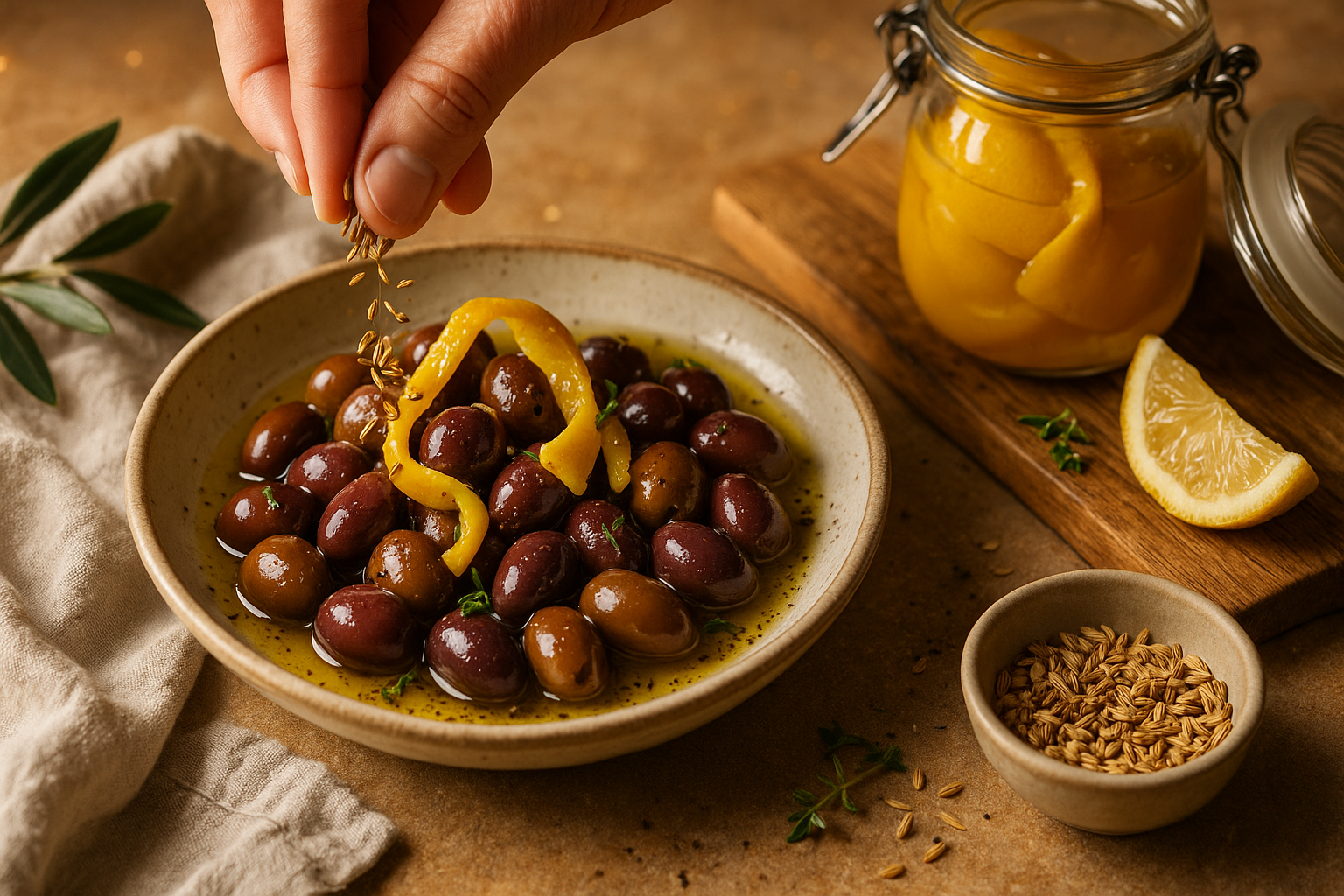
This is a bakery sleeper hit. You think “olive focaccia” and picture scattered black coins. Italian bakers think in layers of savory, citrus, and spice.
Start with small, buttery Taggiasca olives, pitted and halved. Rinse a wedge of preserved lemon, scrape away the pulp, and sliver the peel into confetti.
Warm a spoonful of olive oil with a pinch of fennel seed until fragrant, then cool. Toss olives, preserved lemon, and fennel oil together and spoon across the dimpled dough.
The preserved lemon doesn’t taste “lemony” in the dessert sense—it adds this bright, salty perfume that lifts the olives.
The fennel seed echoes what’s already present in many Italian sausage blends, but here the effect is lighter and more herbal.
Bake until the dough is bronzed and the olives wrinkle. Finish with a few parsley leaves for freshness.
I serve this one with an aggressive pour of olive oil for dipping because the citrus-saline thing makes you want more bite after bite.
5) Porcini, shallot, and parsley gremolata
Mushrooms on focaccia can go limp if you pile them raw. Italian bakers usually pre-cook the fungi, drive off water, and season with restraint.
That’s how you get concentrated flavor and a crisp edge.
If fresh porcini are in season, amazing. If not, rehydrate dried porcini in hot water and slice.
Sear a mix of cremini and porcini in a wide pan with olive oil until they release their liquid and go glossy.
Add a little minced shallot and cook just to soften. Cool completely—you never want to steam your dough.
Spread the mushrooms over the dough in a thin mosaic and dimple lightly so the juices meet the salamoia below.
As soon as it exits the oven, hit it with a quick gremolata: finely chopped parsley, garlic, and lemon zest loosened with olive oil.
That raw, fragrant finish wakes up the earthy notes and keeps the topping from tasting heavy.
This is the sheet I bring when friends say, “Bring bread.” It feels luxurious without relying on cheese.
Pair it with a bowl of white beans dressed in olive oil, and you’ve got dinner.
6) Finally, grapes, rosemary, and crunchy sugar-salt
There’s a Tuscan tradition called schiacciata all’uva—focaccia dotted with wine grapes, rosemary, and coarse sugar.
It lives in that exciting lane between savory and sweet that Italian bakers love.
Toss small seedless grapes with a little sugar and a pinch of salt. Scatter them onto the dough and press them into the dimples so their juices pool where you want them.
Add rosemary needles and drizzle with olive oil. Right before baking, sprinkle a coarse sugar on the grapes and a whisper of flaky salt across the open dough.
The grapes collapse, releasing syrup that caramelizes at the edges. The salt keeps the sweetness in check and makes the rosemary taste greener.
Serve warm with soft cheese, or cold with espresso the next morning.
If you bake only one “different” focaccia this year, make it this. It surprises people in the best way.
The bottom line
Great focaccia is humble dough elevated by smart toppings and small, careful finishes.
Italian bakers aren’t hiding trade secrets so much as repeating quiet moves that stack flavor without crowding the crumb.
Parboil your potatoes. Concentrate your tomatoes. Balance sweet onions with acid.
Layer olives with preserved lemon and a spice note. Cook your mushrooms first, then finish with something raw and bright.
And don’t skip grapes with rosemary, sugar, and salt.
Brush or spoon on salamoia before baking so flavor travels into every dimple.
Finish hot bread like you would a salad—zest, herbs, flaky salt, a last kiss of good oil.
If you’re new to focaccia, pick one topping and really learn it.
If you’re seasoned, try one new finishing flourish.
Either way, the next pan that hits your counter will taste like you’ve been taking notes in an Italian bakery for years.
What’s Your Plant-Powered Archetype?
Ever wonder what your everyday habits say about your deeper purpose—and how they ripple out to impact the planet?
This 90-second quiz reveals the plant-powered role you’re here to play, and the tiny shift that makes it even more powerful.
12 fun questions. Instant results. Surprisingly accurate.