Go to the main content

No eggs, no problem—here’s how I accidentally discovered the perfect vegan breakfast

When fate stole my eggs, lentils taught me that improvisation (and listening) can feed both blood sugar and soul.

Food & Drink

When fate stole my eggs, lentils taught me that improvisation (and listening) can feed both blood sugar and soul.

I open my eyes around nine or sometimes ten.

The room is quiet, and the light above Tbilisi roofs is already strong.

I drink a big glass of water, sometimes with half a lemon. After that, I do small stretches and get to work.

My stomach stays empty on purpose. I follow a simple fasting rhythm: sixteen hours without food, then two meals.

The first meal is always at one in the afternoon. The second must finish before eight in the evening, so my body has space to rest.

During the long morning, I feel light, almost airy, and my mind is clear for writing. But by now, my thoughts start circling around protein.

For two solid years, the answer to that call was eggs — easy, fast, and reliable. I trusted them to fix the sugar crashes that sweet oats once caused.

The July day the eggs were gone

Last July, the air felt thick enough to drink. My apartment held the heat like a secret.

At 12:45, I opened the refrigerator expecting the usual brown carton. The shelf stared back empty. I closed the door, opened it again, still nothing.

The nearest shop is only three city blocks, yet the street outside looked like a hot river of light. Sweat already formed on my neck, and the idea of walking there felt impossible.

Hunger pressed hard because I had not eaten since eight the night before.

For a quick moment, I thought about breaking my fast early with fruit, but the clock said almost one, so waiting a few more minutes seemed easier.

I stood beside the fridge, barefoot on cool tiles, and let the small panic rise. Then I noticed the quiet shapes of glass jars on the pantry shelf and felt a new idea awaken.

Lentils answering the call for protein

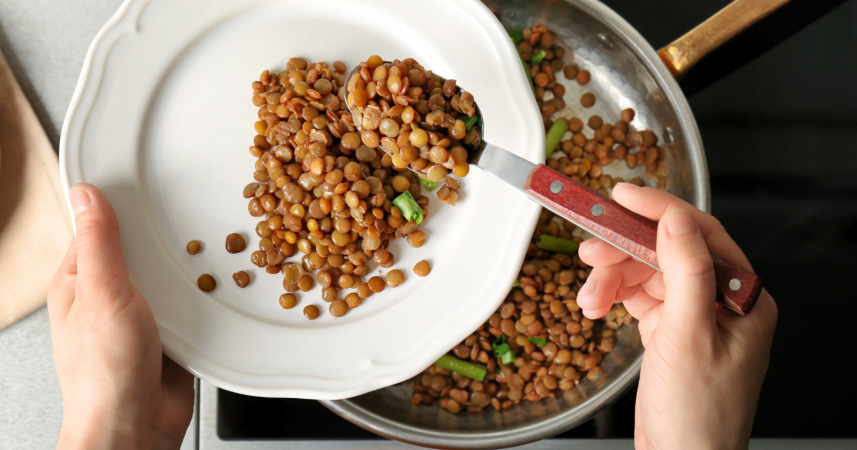
One jar held red lentils, bright as sunset dust. They usually become soup for dinner, but protein is protein. I poured half a cup into a pot, covered it with enough water, and set the flame to medium.

As the lentils softened, they released a warm, nutty smell that filled the kitchen.

I remembered a pouch of ground flaxseed for binding and a bottle of deep green olive oil for softness. When the lentils turned mushy, I stirred in two tablespoons of flax, a splash of oil, salt, and a pinch of cumin left from last winter.

The mix thickened into a dough I could shape.

With wet palms, I pressed four small patties and slid them onto a hot pan. The surface hissed like distant rain, and the buns began to brown. My stomach growled, but the slow process felt strangely calming, as if time itself stretched to help me.

First bite at exactly 1 p.m.

The phone blinked 13:00 as I lifted the first bun onto a plate.

I topped it with a thin curl of butter and two slices of Sulguni, the mild, stretchy cheese every Georgian child knows.

The cheese softened against the heat, turning silky.

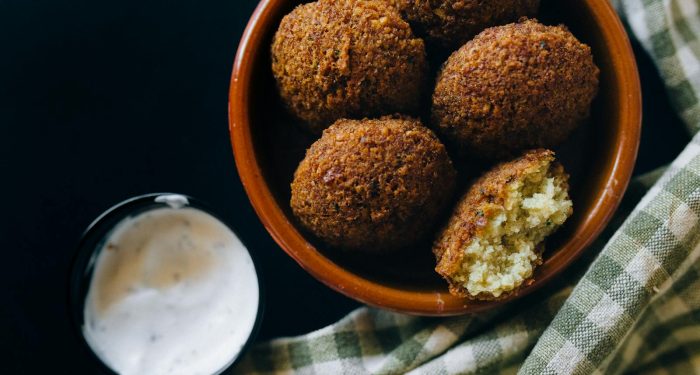
I took a bite. The outside was crisp — the inside soft and slightly sweet. Lentils bring almost eighteen grams of protein per cooked cup, and flax adds the missing amino acids, so my body got what it asked for without eggs.

More importantly, my mind relaxed. The meal felt earned after a long fast, and the slow cooking made the taste fuller. I chewed carefully, noticing how the nutty flavor mixed with salty cheese and warm butter.

Energy spread through my arms in a gentle wave instead of the fast spike I sometimes felt with sugary food. I realized I did not miss the eggs at all.

How I make the lentil buns

The recipe grew from that hot afternoon and now lives on a sticky note near my stove.

I keep the words simple so anyone can follow, even tired or learning English like me.

  • First, rinse half a cup of red lentils to wash away dust. Put them in a small pot with one and a half cups of water. Bring to a light boil, then lower the heat and simmer ten to twelve minutes, stirring once or twice, until the lentils turn soft and almost lose their shape.
  • Drain extra water if any remains. While the mash is hot, stir in two tablespoons of ground flaxseed, one tablespoon of olive oil, a pinch of salt, and—if you like—half a teaspoon of cumin or turmeric for warm flavor.
  • Let the mixture sit five minutes so the flax can thicken. Wet your hands, form four flat buns, and cook them on medium heat in a lightly oiled pan, three minutes per side, until golden and firm.

The best part is that they freeze well and reheat in a toaster, so future hungry afternoons are safe.

A new rhythm of two meals

Since that hot afternoon, eggs are still welcome, but they no longer own the one o’clock hour.

Some days I fry them and dip bread in the yolk — other days the lentil buns return with avocado, tahini, or even leftover roasted vegetables on top.

The rule is simple: give the body strong protein at one and another balanced plate before eight, then let digestion sleep.

My second meal is often greens, olive oil, beans, and maybe a little fish. Fasting still frames the day, yet the frame feels wider because I trust myself to improvise.

If the market runs out of eggs, I know the pantry can speak. This flexibility keeps my experiments gentle. I watch mood, energy, and hormones, writing small notes in a notebook.

Food is no longer a strict plan but a friendly dialogue that adjusts to weather, work, and whatever waits on the shelf.

Closing thoughts: freedom inside simple choices

Running out of eggs first looked like a problem, but it turned into an invitation.

Fasting teaches discipline, yet discipline without softness can grow hard and boring.

That July day showed me a different path: stay open, look around, and let hunger meet creativity. The lentil buns proved that good protein can sit quietly in a jar until the right moment arrives.

Now, when I open the fridge at 12:50 and find surprises, I do not panic. I listen.

Maybe chickpeas will take the stage, or maybe plain yogurt mixed with seeds will appear. The key lesson is clear language inside the body: “What do you need?”—not “What should you have?”

By keeping the wording simple, both in food and in thought, I give myself room to move, to change, and to enjoy each meal at one and again before eight, with gratitude instead of fear.


If You Were a Healing Herb, Which Would You Be?

Each herb holds a unique kind of magic — soothing, awakening, grounding, or clarifying.
This 9-question quiz reveals the healing plant that mirrors your energy right now and what it says about your natural rhythm.

✨ Instant results. Deeply insightful.

 

Nato Lagidze

Nato is a writer and a researcher with an academic background in psychology. She studies self-compassion, emotion regulation, and the emotional bonds between people and places. Writing about recent trends in the movie industry is her other hobby, alongside music, art, culture, and social relationships. She dreams of creating an uplifting documentary one day, inspired by her random experiences with strangers.

More Articles by Nato

More From Vegout