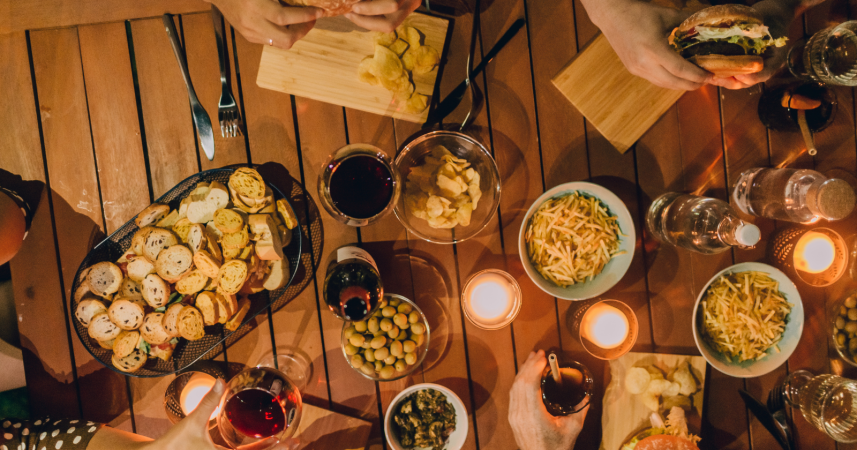
Vegan chorizo pintxos, zero-proof gin-tonics, and more—Barcelona’s 2025 tapas scene proves plant-based bites and sober sips can still spark fiesta.
Imagine wandering Barcelona’s sun-splashed streets just before twilight, when tapas bars flicker to life and every doorway hums with gossip, guitar licks, and sizzling skillets.
But tonight’s feast isn’t the usual jamón-y-Cava routine. Instead, smoky vegan chorizo perfumes the air, kombucha pours from beer taps in a creamy nitrogen cascade, and jewel-bright spritzes clink without a trace of alcohol.
The city that perfected la vida tapa has quietly rewritten the script—honoring Catalan flavor while sliding plants and zero-proof potions into the starring roles.
Welcome to Barcelona 2025, where tradition and wellness tango until dawn and even the most devoted meat-and-Martini crowd is lining up to taste what’s next.
Ready to nibble your way through the revolution?
Let’s dive into 8 buzzy bites and sips fueling the city’s freshest obsession.
1. Vegan Chorizo Pintxos
These bite-sized pintxos (tapas skewered on bread) swap out traditional chorizo for a smoky veggie sausage that tastes just as hearty.
The star is often Calabizo, a pumpkin-based vegan chorizo that’s cured and oak-smoked like the real deal.
Bars across Barcelona are pairing it with roasted peppers or vegan cheese on crusty bread for an authentic Basque-style snack – minus the meat.
Why the buzz?
This plant-based chorizo has become “the fashionable chorizo” in Spain, wowing even devoted carnivores with its rich paprika-spiced flavor and healthy profile.
It’s a cultural game-changer, proving you can enjoy Spain’s beloved sausage tradition in a kinder, lighter way.
The aroma of pimentón and garlic still wafts from the grill, but now with a modern, eco-friendly twist that has locals and visitors raving.
2. Tortilla Española “Sin Huevo” (Chickpea Tortilla)
The classic Spanish potato omelette – golden potatoes and onions in a tender egg cake – gets a vegan makeover that’s so good you won’t miss the eggs.
Chefs whisk chickpea flour (often with a pinch of kala namak for eggy flavor) into a silky batter that binds the sautéed potatoes into a tortilla that tastes remarkably traditional.
Each slice is moist, savory, and satisfying, with a subtle nuttiness from the chickpeas.
As vegan and gluten-free tapas surge in popularity, the once-unthinkable egg-free tortilla is now a reality. This dish speaks to Spain’s willingness to adapt its culinary heritage for new diets without sacrificing flavor.
Barcelona foodies love how the tortilla sin huevo still delivers that comforting, soft-on-the-inside, lightly crisped-on-the-outside bite – all while aligning with plant-based values.
It’s a nod to tradition with a healthy twist, often served warm from the pan, and it embodies the city’s inventive spirit (imagine a potato omelette made with chickpea flour – now a trendy staple!).
3. Wild Mushroom & Truffle Croquetas
Croquetas – those creamy, breadcrumbed fritters – have long been a tapas bar favorite.
Today, Barcelona’s chefs are elevating them into little gourmet treasures packed with wild mushrooms, truffles, or seasonal veggies instead of the typical ham.
Imagine biting through a crisp shell into a silky béchamel studded with sautéed local mushrooms (like earthy shiitakes or porcinis), perfumed by a hint of truffle. Each croqueta delivers a luxurious burst of umami.
Simply put, these croquettes unite tradition with modern foodie flair.
Even stalwart Catalan restaurants like Teresa Carles have made “classic veggie croquettes” a menu highlightfairebarcelona.com. Now creative versions are multiplying – think smoked cheddar and chili jam, or curried vegetable croquetas – showcasing how chefs blend global spices into familiar forms.
The appeal lies in their indulgent texture and innovative fillings that intrigue the palate.
Served hot with a sprinkle of sea salt, they’re comfort food reinvented – and the city’s plant-based diners are thrilled to partake in Spain’s croqueta craze without compromise.
4. Lentil Albóndigas with Vegan Aioli
Hearty, homey albóndigas (meatballs) have jumped on the plant-based trend, and Barcelona can’t get enough.
These savory lentil “meatballs” are slow-simmered in rustic tomato sauce or rich gravy, often seasoned with garlic, cumin, and herbs to mimic the warmth of the traditional version. They come piled in tapas bowls, ready to be skewered with a toothpick and dunked in a zesty vegan aioli.
Each bite offers a satisfying, protein-packed tenderness as the lentils and veggies create a remarkably meaty texture.
In fact, it’s another win for inclusive tapas – giving vegans and vegetarians a chance to savor a classic Spanish comfort dish.
Foodies are delighted to discover that a humble lentil can transform into a flavorful albóndiga, especially when paired with a garlicky egg-free aioli for that authentic finish.
This trend speaks to Barcelona’s broader culinary movement, where “vegan tapas are growing in popularity”, and imaginative swaps (like lentils for beef) let any foodie indulge without sacrificing flavor.
Healthier and lighter yet abundantly flavorful, lentil albóndigas are rolling into the spotlight on many tapas menus.
5. Whole-Roasted Cauliflower “Steaks”
Who knew a simple cauliflower could steal the show?
Barcelona’s chefs are roasting whole heads or thick “steaks” of cauliflower until charred-golden on the edges and meltingly tender inside.
Often marinated with Mediterranean spices – smoky paprika, cumin, garlic – or brushed with tangy romesco sauce, these cauliflower creations arrive dramatically whole or in large wedges, garnished with toasted nuts, fresh herbs, or pomegranate jewels.
Drizzle on some tahini or a vegan yogurt sauce, and you have a vegetable tour de force.
In a meat-centric culture, this dish is a celebration of the vegetable that feels as hearty and festive as a roast. It aligns with the trend of showcasing freshly roasted veggies in tapas bars – indeed, oven-roasted cauliflower with Mediterranean spices often steals the spotlight nowadays.
Diners love the interactive, communal aspect of carving into a whole roast cauliflower at the table, not to mention its striking presentation.
It’s healthy, shareable, and utterly satisfying, with deep smoky flavors from the wood-fired ovens or Josper grills.
This humble brassica gone glam exemplifies the plant-forward creativity sweeping Barcelona, turning local markets’ produce into the evening’s main event.
6. Nitro Kombucha “Cerveza”
In the drinks arena, Barcelona’s wellness enthusiasts are buzzing about nitro kombucha on tap – a fermented tea turned effervescent mocktail.
Picture a foamy, cold brew kombucha poured from a tap handle like a craft beer, nitrogen-infused for a creamy head and smooth finish.
Flavors range from ginger-lemon to berry hibiscus, often locally brewed and served in chilled schooners. Sipping this tangy, probiotic-rich brew gives the same refreshment as a beer, but zero alcohol and a nice health kick. Why the buzz? It fits perfectly into the city’s mindful drinking trend.
As part of the boom in low- and no-ABV beverages, kombucha-based drinks let bar-goers enjoy the scene without the hangover.
These pours are often just as craft-focused as any cocktail – think small-batch kombuchas flavored with seasonal fruits or herbs, sometimes even blended into mocktail creations.
The nitro infusion adds a velvety texture that surprises the palate, making it feel indulgent. With events like the World Kombucha Awards landing in Catalonia and functional probiotic drinks on the rise, nitro kombucha has become the darling of hip café-bars.
It’s a wellness twist on Barcelona’s beloved beer culture – the fizz, the flavor, the camaraderie, all intact, just “sin alcohol.”
7. Zero-Proof Catalan Gin-Tònic
Spain’s obsession with the gin & tonic – large balloon glasses, premium gins, botanical garnishes – is going alcohol-free in style. Enter the 0.0% Gin-Tònic, featuring sophisticated alcohol-free gins distilled with juniper, citrus, and spices, paired with artisanal tonic water over ice.
Bartenders still prep it with the same ritual: ice spheres, zesty lemon peel, maybe a sprig of rosemary or a twist of grapefruit for aroma. Take a sip, and you get that crisp, refreshing bite of a classic G&T – minus the booze.
So, why is it so popular?
Catalans adore their gin-tonic “copa,” and now everyone can join the party, drinkers or not. High-quality NA gins like Atopia, Seedlip or local distilled botanicals mimic the real deal so well that many can’t tell the difference.
In fact, one Barcelona mixologist found it “like taking a gin tonic” in flavor and even gives a fun placebo effect.
Upscale bars and hotel terraces are embracing the trend, ensuring designated drivers or sober-curious patrons don’t feel left out. This zero-proof cocktail still delivers complex flavors – notes of juniper, coriander, citrus – and a sense of occasion.
With Spanish brands releasing their own ginebra sin alcohol, the 0% G&T has become a symbol of the modern, health-conscious nightlife. It proves you can keep all the ritual and glamour of a gin-tonic sin the gin, and hardly miss a beat.
8. Virgin Aperitivo Spritz (Sober Vermut Hour)
Barcelona’s beloved vermouth hour and aperitivo culture are going alcohol-free with the rise of the Virgin Spritz.
Picture a vibrant ruby-red spritz in your glass – made with bittersweet botanicals like Crodino or local Bitter Kas soda – topped with sparkling tonic or ginger ale, plenty of ice, and a wheel of orange and fresh mint. It’s bubbly, bittersweet, and absolutely refreshing on a sunny afternoon.
Many bars are crafting their own 0.0% Aperol-style blends or using Italian chinotto sodas to get that herbal complexity. Why the buzz? “Sober is chic” in Barcelona, and nobody wants to skip the social ritual of el vermut. Bar owners report that a spritz 0’0 with chinotto, ginger-ale, mint and orange “sells a lot” these days.
It’s not just one drink – it’s a whole mood of enjoying tapas and daylight gatherings with a light, bitter fizz in hand.
Classic aperitif brands have launched non-alcoholic versions, so the flavor is on point: think hints of citrus, herbs, and bitters that mimic Campari or vermouth without the punch. Locals love that they can say salut! with friends and sip all afternoon, guilt-free.
Even traditionalists admit these virgin spritzes capture the essence of the aperitivo – la buena vida – with zero alcohol and zero compromise.
As one Ital-Catalan vermutería owner will tell you, offerings like Crodino (a tad more bitter than Bitter Kas) over ice with orange are flying out of the bar. It’s a true cultural shift, keeping the convivial spirit alive for all.
Final Thoughts
From plant-based pintxos to mood-boosting mocktails, Barcelona’s food and drink trends reflect a dynamic fusion of tradition, innovation, and inclusivity.
The Catalan capital has embraced veggies and zero-proof potions not as fleeting fads, but as genuine extensions of its culinary soul – marrying health consciousness with the joy of eating and drinking well.
Local chefs are putting vegetables at the center of the plate in ways that feel celebratory and authentic, while bartenders concoct elegant drinks that prove you don’t need alcohol for a toast-worthy experience.
These trends are generating buzz not just for their novelty, but for their cultural relevance: they invite more people to the table, honoring old flavors with new perspectives.
In warm tavernas and trendy lounges alike, you can sense the excitement – the sizzle of something new in the air (and on the grill).
Barcelona in 2024–2025 is a city to savor, whether you’re crunching into a truffled croqueta or clinking a sparkling virgin spritz.
One thing’s for sure: the journey of flavor, tradition, and innovation here is as satisfying as un buen tapeo – a good tapas crawl – that lingers in your memory like a favorite story.