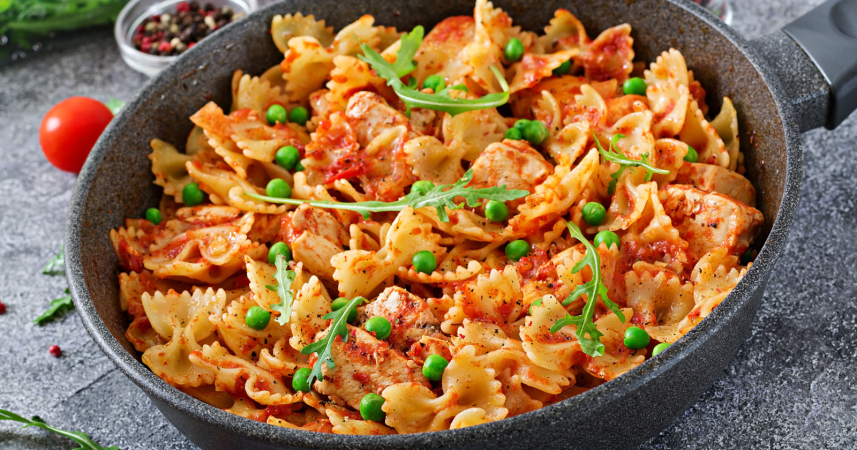
Tiny Italian tricks—salty water, starchy swirls, glossy emulsions—that turn Tuesday spaghetti into trattoria-level pasta at home.

Add VegOut to your Google News feed. 
There’s “spaghetti night,” and then there’s the version that makes the table go quiet for a second. Italians somehow hit that second one—at home, on a Tuesday, without turning it into a performance.
The difference isn’t secret ingredients — it’s tiny decisions that stack.
Think of it like compounding interest for flavor (my former-analyst brain can’t resist). If your spaghetti often tastes good-ish but not “restaurant,” a handful of subtle moves will close the gap fast.
Here are the 8 that changed my own cooking—learned from Italian friends, nosy café counter chats, and a few humbling pots of overcooked pasta.
1. Salt the water like you mean it (and stop pouring oil in)
Ever taste spaghetti that’s perfectly seasoned all the way through?
That started in the pot, not the sauce. Italians salt their pasta water to the point where it tastes pleasantly briny—roughly 1.5–2% salinity.
In home speak: a generous handful of kosher or sea salt per large pot. Don’t count crystals; taste the water. It should taste like the sea, not a puddle.
And about that glug of oil in the pot—skip it.
Oil floats — it won’t keep noodles from sticking, but it will make them slippery later when you need sauce to cling. Stir in the first minute instead. That’s when sticking happens.
Little check: does your water actually boil hard before the pasta goes in? A lively boil keeps strands moving so they cook evenly.
2. Cook shy of al dente, finish in the sauce
If you drain spaghetti the moment it’s edible, you’re missing the restaurant move.
Pull it 1–2 minutes before al dente, then let it finish in the sauce.
Why?
Because pasta is thirsty. It absorbs sauce as it finishes, trading bland inner starch for flavor. This is why trattoria spaghetti tastes “integrated” rather than “pasta plus sauce.”
Use a wide skillet for the sauce so there’s room to toss.
Tongs for spaghetti — a splatter guard for your shirt. You’ll see the strands deepen in color and pick up sheen as they marry with the sauce.
3. Build an emulsion with pasta water (your free, liquid gold)
Sauce that coats the noodles like silk?
That’s an emulsion—fat (olive oil, maybe butter) + starchy water + agitation. Before you drain, ladle out a cup of pasta water.
Add it to your hot sauce in small splashes as you toss the undercooked spaghetti over medium-high heat. The starch ties the fat and liquid together so the sauce clings instead of puddling.
Two pro tips:
-
Use less water to boil the pasta than you think; more concentrated starch equals better emulsion.
-
Keep the pan hot enough to gently simmer as you toss. Emulsions need heat and motion to form; they break if the pan is tepid or if you flood it.
You’ll know you’ve nailed it when a glossy sauce film hugs every strand and there’s no watery moat on the plate.
4. Treat heat like a dimmer switch—especially with cheese
Italian kitchens are ruthless about temperature.
High heat to bloom aromatics and thicken sauce; then, when cheese enters, heat drops. If you add Parmigiano or Pecorino over a roaring flame, it can seize and clump. Slide the pan off the burner, rain in finely grated cheese a little at a time, and keep tossing with splashes of warm pasta water until creamy.
There’s a name for that final, off-heat toss in fat/cheese/pasta water: mantecatura. It’s the difference between “cheesy” and “creamy.”
And if you’re doing cacio e pepe?
Toast the pepper in dry pan first. Warm pepper tastes rounder; it perfumes the sauce instead of just spiking it.
5. Practice sauce restraint—and warm your bowls
Restaurants don’t drown pasta — they glaze it.
A good ratio looks almost stingy in the pan, then reads perfect in the mouth because every strand is coated. If you can see a lot of sauce pooling at the bottom, you’ve got soup, not spaghetti. Reduce it.
Serve in warm bowls (run them under hot water or stack near the stove).
Heat matters—hot pasta on cold plates does a quick temperature crash, which flattens flavor and unglues your emulsion.
Also: serve immediately. Spaghetti waits for no one.
6. Coax flavor, don’t bulldoze it (garlic, chile, and tomatoes)
Italian home cooks are gentle with aromatics.
Garlic? Start it in cool olive oil and bring them up to heat together so the garlic perfumes the oil without scorching.
If it goes golden, you’re done—fish it out if you want subtlety, keep it in if you want a nudge. Dried chile flakes bloom fast; 30–45 seconds is plenty.
Tomatoes? Cook long enough to lose the tinny edge and concentrate—often 10–20 minutes, not an hour—unless you’re making a slow ragù. If you’re using passata or crushed tomatoes, let the bubbles shift from splashy to lazy; that’s the sign the sauce has body. A short rest off heat softens acidity before pasta arrives.
As a farmers’ market volunteer, I’ll always say this: decent olive oil and ripe or quality canned tomatoes do half the heavy lifting. You don’t need a collection; you need one good bottle and one brand of tomatoes you trust.
7. Upgrade texture and aroma with invisible tweaks
Restaurant plates often feel “finished” because there’s one small textural contrast and a top-note of perfume.
A few to steal:
-
Pangrattato (toasted breadcrumbs): Heat a spoon of olive oil, add a handful of rough crumbs (stale bread blitzed or even panko), salt, and toast until nutty. Scatter over spaghetti aglio e olio or tomato sauces for crunch.
-
Raw EVOO at the end: A thin ribbon over plated pasta lifts aroma and adds peppery fruit without greasiness.
-
Parsley, lemon zest, or both: Finely chop parsley right before serving so it’s vivid. Lemon zest adds brightness without making your sauce sour.
-
Anchovy (or a drop of colatura): Melts into oil for a quiet depth; no fishiness remains, just savory backbone. One fillet goes a long way.
None of these scream for attention. They just make your brain say, “oh.”
8. Respect the noodle (shape, portion, and the don’t-break rule)
Italians match sauce to shape for a reason. Spaghetti loves fluid, clingy sauces (aglio e olio, tomato-based, seafood, carbonara-style with plant alternatives if you’re dairy-free). If your sauce is chunky, chop it finer or thin it so it can grip. Thick, sticky sauces belong on short shapes.
Two non-negotiables:
-
Don’t break spaghetti. The twirl is part of the experience; shorter lengths change how sauce adheres and how you eat it.
-
Cook only what you’ll eat. Pasta loses magic on standing. A standard portion is 80–100 grams (about 3–3½ ounces) dry per person. Weigh it once or twice and you’ll nail it by sight forever.
One last small move Italians swear by: taste three times—water, sauce, spaghetti.
Season each, not just the end result. Layered seasoning reads as “restaurant” without extra salt.
A quick Tuesday blueprint (putting it together)
-
Bring a large pot of well-salted water to a rolling boil.
-
Start a wide skillet with olive oil and sliced garlic off heat; bring up to medium until the garlic just sighs golden. Add chile if using; splash in crushed tomatoes; simmer to glossy.
-
Drop spaghetti; stir for the first 30 seconds.
-
Scoop a mug of starchy water; drain pasta 1–2 minutes shy of al dente.
-
Toss spaghetti into the sauce over medium-high; splash in pasta water and shake the pan until everything shines.
-
Kill the heat; add a handful of finely grated cheese (if using), toss with more water until creamy.
-
Plate in warm bowls; finish with raw EVOO, a whisper of lemon zest, and pangrattato if you made it. Eat immediately.
Is any of this hard? Not really. It’s attention. It’s refusing to let the pasta and the sauce live separate lives. It’s small, boring decisions that—like a good training plan or a well-kept garden—add up to something people notice without knowing why.
And yes, I still ask myself the accountant’s question every time: where is the return highest for the effort?
The answer, with spaghetti, is almost always the same—salt the water, undercook a little, finish in the sauce, and let starch be your friend. Do that, and Tuesday tastes like a trattoria.