Ten student-proof meals—cheap, fast, and surprisingly good—plus the tiny upgrades that make pantry staples taste like a plan.
There was a stretch in my twenties when my knife roll lived next to a dorm mini-fridge. I’d spend the day learning fine dining technique and the night hacking together dinner from five sad things on a shared shelf.
That’s where I learned a truth every student knows: you don’t need much to eat well—just a hot pan, a few staples, and a little nerve.
Here are 10 budget meals every struggling student has relied on at least once, plus how to make each one a little better without spending more.
1. Instant ramen (but grown-up)
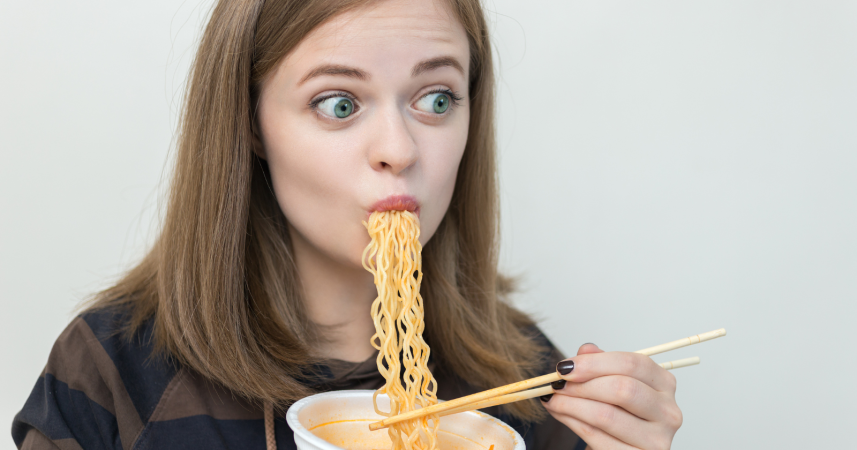
Ramen is the student’s safety net because it’s heat, salt, and carbs in three minutes. The move is to treat the flavor packet like training wheels. Boil the noodles in just enough water to cover — reserve a splash.
Stir in a spoon of peanut butter, a dash of soy sauce, chili flakes, and that reserved water to make a quick sesame-style sauce. Crack in an egg for protein—poach it right in the broth or soft-scramble separately and fold through.
Frozen peas, shredded cabbage, or leftover rotisserie chicken stretch it further.
If you only buy one upgrade, make it toasted sesame oil; three drops can trick your brain into thinking you cooked for 20 minutes. Slurp proudly. You did more than open a packet—you composed a meal.
2. Pasta with jarred sauce that doesn’t taste jarred
The cheapest dinner on earth goes from “meh” to “nice” with two tweaks: salt your pasta water so it tastes like the sea, and finish the sauce in the pan with a splash of that starchy water.
While the pasta cooks, warm the jarred sauce with a glug of olive oil, a pinch of chili flakes, and a chopped garlic clove if you have it.
Toss everything together, then shower with whatever you’ve got—grated hard cheese, nutritional yeast, or buttered breadcrumbs from a stale slice whizzed in a jar.
Add a can of lentils or chickpeas and it becomes dinner for two with leftovers.
If you want to feel like a wizard, stir in a spoon of cream cheese or ricotta at the end. Silk, on a student budget.
3. Rice and beans that actually hit the spot
This is the backbone dish. Cook rice (stovetop, rice cooker, or microwavable pouch) and warm a can of black or pinto beans with a spoon of salsa, cumin, and a squeeze of lime if you have it.
Pile into bowls with anything crunchy—shredded cabbage, crushed chips, sliced radish—and something creamy: yogurt, sour cream, or a quick guac made from a discounted avocado.
Hot sauce on top.
Cost per serving drops under a couple bucks, protein hits respectable, and you’ll still be upright for night study. Batch cook both rice and beans on Sunday and you’ve got burritos, tacos, and bowls for three days without thinking.
4. Scrambled eggs on toast (or in a bowl)
Eggs are the cheapest “restaurant” protein because they play well with almost anything. Whisk with a pinch of salt, then scramble low and slow in a slick of oil or butter.
Fold in chopped scallions, spinach, or the last inch of a cheese wedge. Toast whatever bread you’ve got—baguette ends, tortillas, even a rice cake—and go open-face.
No bread? Spoon the eggs over leftover rice with a drizzle of soy sauce and a sprinkle of sesame seeds.
Add chili crisp if you’ve hopped on that train — it’s a pantry cheat code. For late nights, go shakshuka-ish: simmer canned tomatoes with garlic and paprika, make little wells, crack eggs in, cover, and cook until set.
You’ll feel like a person again.
5. Quesadillas built from leftovers
A quesadilla is a grilled cheese that knows how to party.
Tortilla, cheese, and heat are the core.
Everything else is optional: leftover roasted veg, last night’s chicken, canned corn, black beans, spinach, sautéed onions.
Heat a pan, add a tortilla, scatter fillings, top with another tortilla or fold in half, and cook until the cheese melts and the edges crisp. Serve with salsa or a quick yogurt-lime sauce.
For breakfast, add scrambled eggs. For a crowd, cut into wedges and call it dinner with a side salad of shredded lettuce and a squeeze of lime.
You’ll use up fridge orphans and look like you meant to.
6. Peanut butter noodles in five minutes
This is the move when you’re starving and the sun is a rumor. Cook spaghetti or any long noodle. While it boils, whisk peanut butter with soy sauce, a little sugar or honey, a splash of hot water, and chili flakes.
Toss the hot noodles in the sauce with sliced cucumber, shredded carrots, or a handful of frozen edamame you ran under warm water.
Finish with a dash of vinegar or lime if you have it. Warm version: sauté garlic and ginger in oil first, then build the sauce in the pan.
Cold version: rinse noodles and chill. It’s takeout vibes without the delivery fee—or the 45-minute wait that eats your will to live.
7. Fried rice that respects leftovers
Day-old rice is a gift. Heat a big pan until it’s properly hot, add oil, then scramble an egg and set it aside.
Add more oil, toss in chopped onion or the white parts of green onions, then any veg that needs love: peas, carrots, frozen mixed veg, kale stems, even diced apple if you’re wild.
Add the rice, break up clumps, and let it sit long enough to crisp. Splash in soy sauce; finish with sesame oil and the reserved egg. If you’ve got protein—ham cubes, tofu, leftover burger—this is where it shines.
The trick is heat first, then speed.
You’re not stewing — you’re kissing things with fire and moving on.
8. Baked potato with toppings bar
The humble potato might be the best value per pound in the entire store.
Microwave until tender (about 6–8 minutes, flipping once), or bake if you’ve got time. Split, fluff with a fork, and top with butter and salt as your base.
From there it’s a toppings bar: beans and salsa, tuna and sweetcorn, broccoli and cheese, chili from a can, cottage cheese and chives, leftover curry, or whatever odd bits are crowding your fridge.
Sweet potatoes do the same trick with black beans and a drizzle of tahini or yogurt. If you’re feeding roommates on the cheap, line up four potatoes and put out bowls of toppings.
Everyone builds their own, nobody complains, dishes stay sane.
9. Tuna (or chickpea) salad two ways
A can of tuna is budget protein; a can of chickpeas does the job if you’re not into fish. Mash with mayo or yogurt, mustard, salt, and pepper. Stir in chopped pickles or relish if you want zing.
That’s sandwich territory.
For pasta salad, fold the same mix into short pasta with peas or diced peppers, a splash of pickle juice, and a squeeze of lemon. It’s tomorrow’s lunch in one bowl.
If you’re feeling fancy, swap half the mayo for mashed avocado, or go Mediterranean with olive oil, lemon, parsley, and capers. Keep a can of each in the cabinet and you always have a “I forgot to shop” plan.
10. Oatmeal, sweet or savory
Oats are the poor student’s luxury: cheap, filling, and endlessly adaptable. For sweet, cook with water or milk, then add banana, cinnamon, and a spoon of peanut butter.
A handful of frozen berries feels like brunch for pocket change. For savory—stay with me—cook thick oats in water with a pinch of salt, then top with a fried egg, scallions, soy sauce, and chili oil.
It’s like congee’s laid-back cousin. Steel-cut oats are great if you’ve got time; quick oats are fine on exam mornings.
Make a big pot on Sunday and reheat with a splash of milk all week. Breakfast for dinner is a valid life choice when your brain is doing calculus at 10 p.m.
Final words
A few practical habits make these meals even cheaper. Shop the perimeter for base ingredients—eggs, potatoes, carrots, onions, cabbage—and the middle aisles for shelf-stable heroes like pasta, beans, tomatoes, oats, peanut butter, tuna, rice, and ramen. Pick one oil (vegetable or canola), one acid (vinegar or lemon), one heat (chili flakes or hot sauce), and one “chef’s kiss” (toasted sesame oil) and you’ve covered 90% of flavor math.
Freeze bread so it never molds. Keep a bag of frozen veg as insurance. Write “use-me-first” on a container for leftovers so nothing dies behind the pickles.
Most of all, remember that cooking is a confidence game. The first time you pull dinner out of a near-empty cabinet, something shifts. You stop seeing scarcity and start seeing options.
Eating on a budget isn’t punishment. It’s skill-building.
It gives you agency when everything else feels expensive and chaotic. And it’s practice for later, when you have more cash but still want your days to taste good.
If the only thing you make this week is ramen with an egg and a handful of greens, you’re already playing the game. Add one more meal next week.
By midterms, you’ll have five in rotation, and by finals, you’ll realize you accidentally learned how to feed yourself like a grown-up. That’s a win bigger than any discount code
What’s Your Plant-Powered Archetype?
Ever wonder what your everyday habits say about your deeper purpose—and how they ripple out to impact the planet?
This 90-second quiz reveals the plant-powered role you’re here to play, and the tiny shift that makes it even more powerful.
12 fun questions. Instant results. Surprisingly accurate.