School lunches weren’t just about food—they were a snapshot of your family’s financial reality, priorities, and the quiet little compromises that shaped your childhood.
As kids, we didn’t analyze what our lunches said about us.
We just opened our lunchboxes or brown paper bags and ate whatever was inside.
But as adults, we can look back and see the subtle signals in those peanut butter sandwiches, juice boxes, and mystery snacks.
For lower-middle-class families, school lunches weren’t about variety or trendiness.
They were about practicality.
Stretching a grocery budget.
Making do with what was on sale that week.
And creating meals that could survive several hours in a backpack without refrigeration.
If these eight lunch staples sound familiar, there’s a good chance your childhood was firmly lower-middle-class.
1. Peanut butter and jelly on store-brand white bread
The peanut butter and jelly sandwich was the gold standard of affordable lunches.
But not the fancy, artisanal version with organic almond butter and small-batch jam.
We’re talking generic peanut butter with oil that separated at the top and grape jelly that came in a massive plastic jar.
The bread? Always the cheapest white bread on the shelf, soft to the point of disintegrating if you pressed it too hard.
By the time lunch rolled around, the sandwich was usually slightly squished, the jelly starting to seep through the bread just enough to make the bag sticky.
It wasn’t glamorous, but it got the job done.
And it was filling, which mattered most.
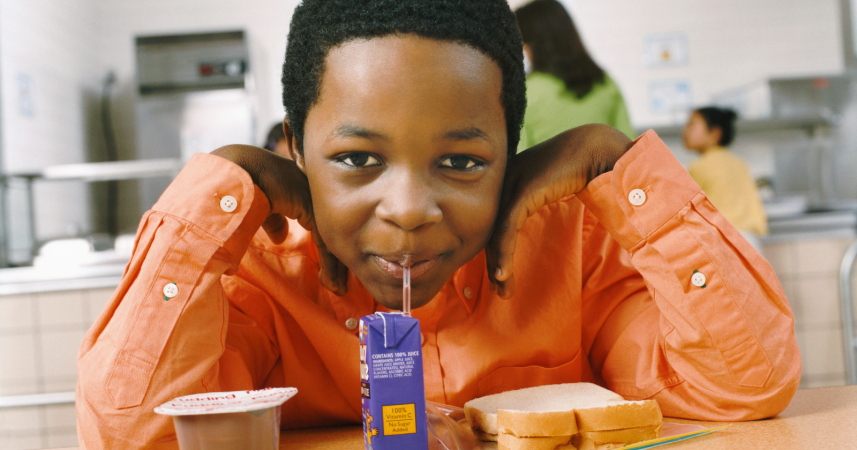
2. Juice boxes that were 90% sugar water
Forget cold-pressed juices or “no added sugar” pouches.
If you grew up lower-middle-class, your juice box was basically liquid candy with a splash of fruit flavoring.
Hi-C, Kool-Aid Bursts, or those bright orange Tampico jugs that somehow lasted forever—you know the type.
Half the time, the straw wouldn’t puncture the tiny foil hole, so you’d end up mangling the top and sipping awkwardly from the corner.
It didn’t matter.
For kids, the juice box was pure status.
The brand didn’t matter nearly as much as simply having something to drink besides plain water.
Even if, in hindsight, it was just sugar water with a marketing budget.
3. Bologna sandwiches that smelled up the entire lunch table
There was always that kid with the bologna sandwich—and sometimes, you were that kid.
Bologna was cheap, easy, and didn’t require much effort to prepare.
The sandwich usually consisted of a single slice of bologna slapped between two pieces of bread, sometimes with a slice of American cheese, sometimes just plain.
By lunchtime, the smell was… noticeable.
Everyone at the table knew exactly who brought bologna that day.
It wasn’t gourmet, but for families stretching their grocery dollars, it was a reliable protein source.
And whether you loved it or hated it, you definitely never forgot it.
4. Chips straight from the generic multipack
Name-brand chips were a luxury.
If they made it into your lunch, it was either because they were on sale or it was a special occasion.
Most of the time, you got the store-brand version—the kind with slightly off flavors and thinner bags that tore open too easily.
They came in giant multipacks, where half the flavors were universally hated and always left sitting in the pantry.
But chips were chips.
Even the weird off-brand sour cream and onion still felt like a treat compared to carrot sticks or celery.
And they added that much-needed crunch to an otherwise soft, soggy lunch.
5. Pudding cups or gelatin as dessert
Dessert was non-negotiable.
Even if the rest of your lunch was basic, there was almost always a pudding cup, gelatin cup, or those little snack cakes wrapped in crinkly plastic.
Chocolate pudding was the classic, though occasionally you’d get a swirl of vanilla and chocolate if your parents were feeling fancy.
Sometimes, the spoon went missing, forcing you to awkwardly slurp pudding directly from the cup like an animal.
It was messy.
It was unrefined.
And it was also the highlight of the entire meal.
Because no matter what else was going on, dessert made lunch feel like a small celebration.
6. Lunch meat that came in a plastic tub
Not all deli meat was sliced fresh at the counter.
For many lower-middle-class families, lunch meat came in plastic tubs or vacuum-sealed packs.
It was cost-effective, lasted forever, and stacked neatly in the fridge.
The texture was… unique.
Some slices stuck together so tightly you had to peel them apart carefully to avoid tearing them.
The taste was salty, sometimes oddly sweet, and always unmistakable.
While it may not have been glamorous, it was a staple that got the job done—especially when paired with mayo packets swiped from a fast-food restaurant.
7. The occasional “mystery leftover” container
Every once in a while, the usual rotation would get disrupted by a random Tupperware container filled with last night’s dinner.
It might be spaghetti, casserole, or rice and beans—basically whatever could be reheated in a school microwave.
This lunch always came with two risks:
First, the possibility of a major spill inside your backpack.
Second, the judgmental stares from classmates who thought it “smelled weird.”
But mystery leftovers were also a badge of honor.
They said, “My family doesn’t waste food, and I’m not about to start now.”
Even if they weren’t pretty, they were homemade—and that meant something.
8. A sweet treat tucked in for special days
Maybe it was a single cookie wrapped in a napkin.
Maybe it was a Little Debbie cake or a half-melted fun-size candy bar.
Whatever it was, it didn’t show up every day—only when your parent or guardian wanted to surprise you or when there was something to celebrate.
These treats were small but powerful.
They added excitement to an otherwise predictable lunch, and they reminded you that even on a tight budget, love could be expressed through tiny, thoughtful gestures.
Looking back, they were often the most meaningful part of the meal.
The bigger picture
These lunches weren’t about Instagram-worthy presentation or trendy ingredients.
They were about practicality, love, and doing the best with what was available.
For lower-middle-class families, feeding kids was a balancing act of stretching dollars, avoiding waste, and making sure no one went hungry.
As kids, we didn’t think about any of that.
We just ate what we were given.
But as adults, we can see the quiet effort behind every sandwich, every pudding cup, every off-brand chip bag.
These meals were more than just food—they were evidence of care.
Closing thought
If you recognize these eight lunch staples, you didn’t just grow up eating them—you grew up carrying the values they represent.
Resourcefulness.
Resilience.
Gratitude for small comforts.
Your lunches may not have been fancy, but they told a story of love and effort in every bite.
And now, as an adult, you can look back and smile—because those humble meals shaped the person you are today.