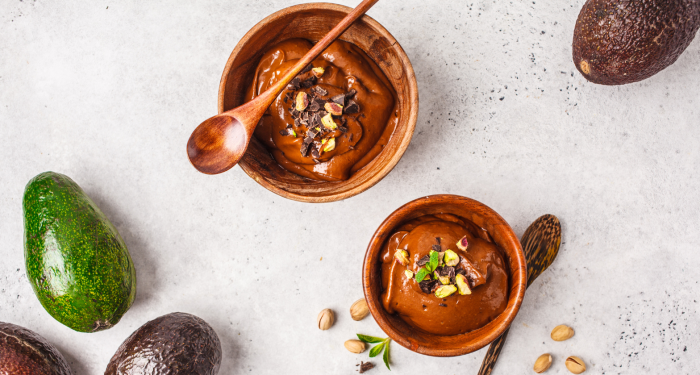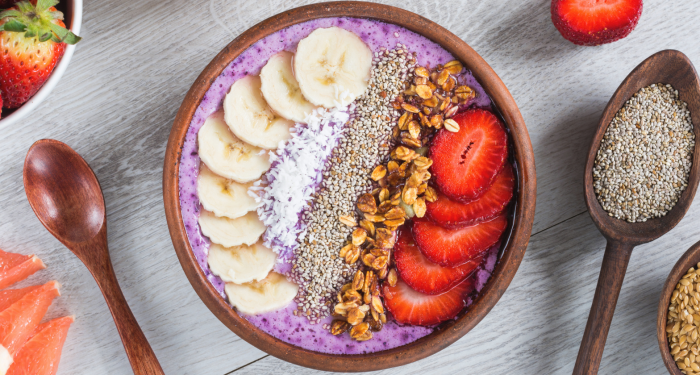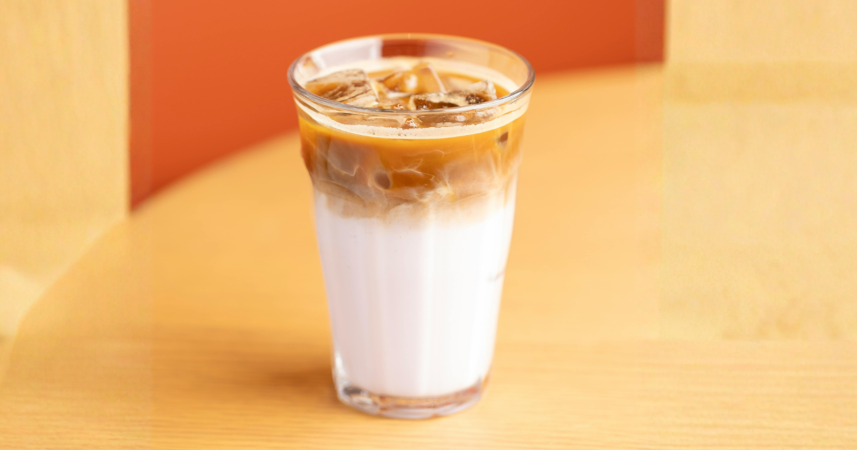
The more you make decisions from clarity instead of labels, the better your food will make you feel.
Crafting a healthy plate sounds simple until you walk into a store packed with “better-for-you” labels and halo words like natural, artisanal, or clean.
Lucky for me, my cousin is a straight-talking nutritionist who cares more about outcomes than marketing.
Over coffee, I once asked her, “What foods look healthy but you personally avoid?” Her list surprised me.
A few of my own old favorites made the cut.
Here’s what I learned, plus how I think about these choices as someone who writes about psychology, behavior, and the tiny decisions that shape our energy, mood, and long-term health:
1) Cold-pressed juices
If you’ve ever watched a juice bar in action, you’ve seen mountains of produce disappear into a tiny bottle.
That’s the optical illusion; losing the fiber changes the game.
Juice concentrates sugar and strips the part that slows absorption.
Yes, it comes from fruit and there are some vitamins.
However, without fiber, your blood sugar can spike like a rollercoaster, and that crash afterward often leads to more snacking.
My cousin’s quick rule: If you wouldn’t sit down and eat the whole pile of fruit it took to make that bottle in one go, don’t drink it either.
Makes sense, right? If you love the ritual, you can pivot without losing the vibe.
Go for a green smoothie blended with the whole veg and fruit, add a scoop of chia or flax for fiber, and skip added sweeteners.
Better yet, eat the fruit and drink water.
When you see a small portion that claims to deliver the power of eight apples, ask yourself if that’s actually a feature or a bug.
Our brains overvalue concentrated “goodness,” even when concentration removes the very thing that makes whole foods protective.
2) Granola and energy bars
Granola was my road-trip staple for years, then I read a few labels with my cousin.
Oats, nuts, and seeds are great but the binders and sweeteners can push many bars into dessert territory.
Look for three clues:
- How many types of sugar show up under different names: Brown rice syrup, agave, tapioca syrup, and date paste.
- The fiber count compared to sugar: If a bar has 12 grams of sugar and 2 grams of fiber, that’s not a win.
- The portion size: Some bars pack 300 calories into a few bites.
If the goal is a quick bridge between meals, that’s a heavy lift for a light task.
I keep a few bar “guardrails” now, I favor short ingredients I could keep in my pantry, I like at least 4 grams of fiber and a decent protein hit, and—if I’m truly hungry—I’d rather make a quick bowl of oats with berries and walnuts at home.
It costs less, fills me up more, and doesn’t turn into a second snack thirty minutes later.
Bars are convenient because they remove friction, but friction isn’t always bad.
A tiny bit of effort can be the difference between a sugar-spike snack and a balanced mini-meal.
3) Coconut oil
This one sparks debates at dinner parties.
Coconut oil has a wellness glow, and I get it.
It smells like vacation and makes a great vegan frosting, but my cousin treats it like a condiment, not a cooking oil.
Why so cautious? Coconut oil is high in saturated fat.
Some folks point to medium-chain triglycerides, but most coconut oil on shelves isn’t pure MCTs.
For everyday cooking, there are plant oils with more favorable fatty acid profiles.
If you love the flavor in a curry or a special dessert, enjoy it like you would any indulgent ingredient.
The key is frequency and portion.
I cook most days with extra-virgin olive oil or avocado oil depending on heat, then bring coconut oil in when the recipe truly needs it.
Travel note from me: In Southeast Asia, the coconut flavor often comes from actual coconut milk or cream, not just oil.
When I make a Thai-inspired soup at home, I’ll use light coconut milk for body and focus on herbs, lime, and chilies for the punch.
I get the experience without leaning on heavy saturated fat.
4) Veggie chips
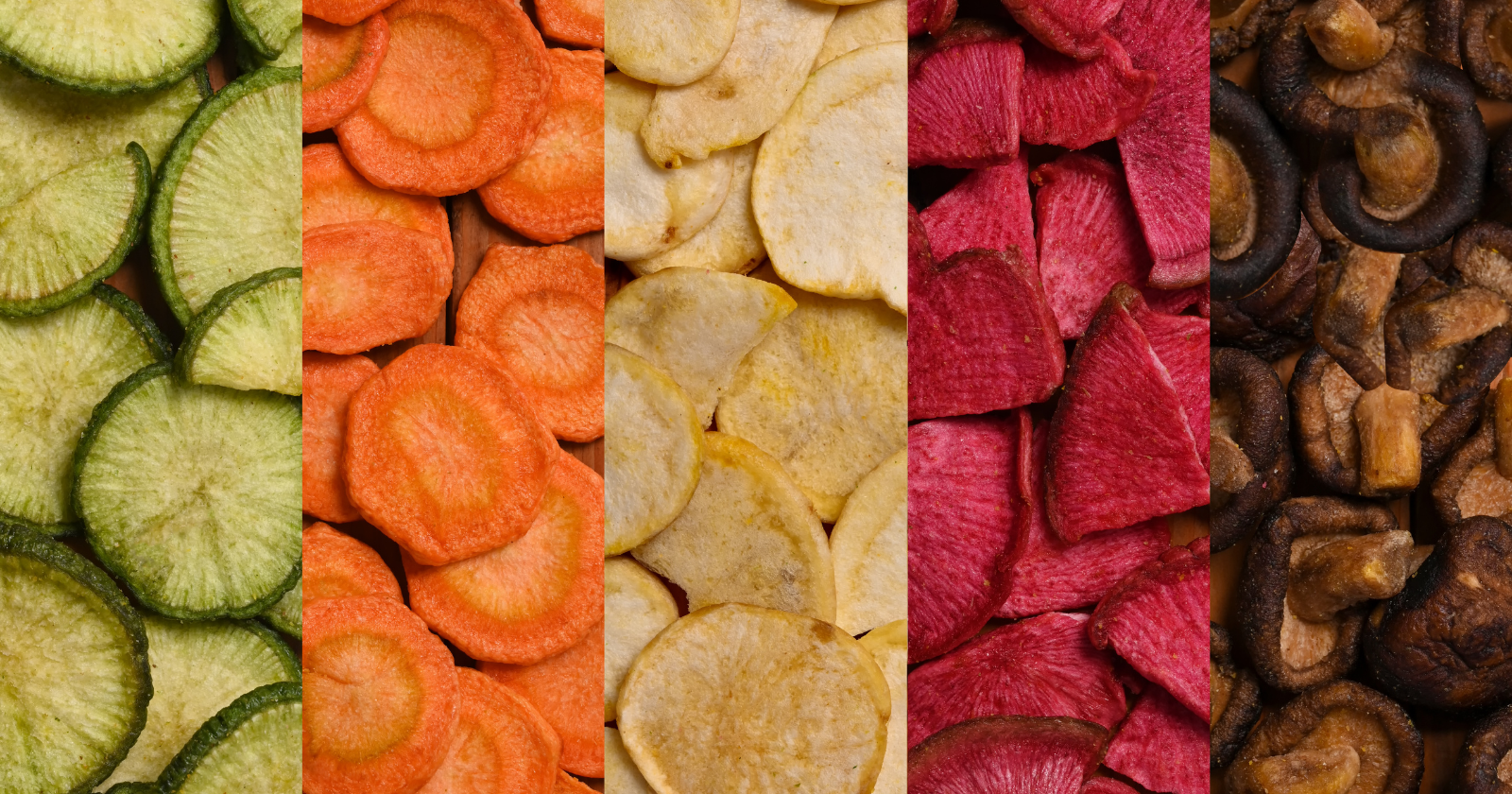
The bag says beet, sweet potato, or kale.
It must be healthy, right? Here’s the trap: Once vegetables are sliced thin, refined, and fried or baked to a crisp, we’re not eating vegetables anymore.
We’re eating a snack engineered for crunch and craveability.
My cousin’s benchmark is simple: Does it resemble the original plant?
Kale chips can be great when you make them at home with actual kale, a little olive oil, and spices.
Most packaged veggie chips are a blend of starches and powders shaped into a chip.
Quick psychology check: “Healthified” snacks invite overeating because they reduce guilt.
When we think something is healthier, we unconsciously eat more of it.
That’s called the health halo effect; noticing that bias helps you slow down and choose intentionally.
5) Flavored plant yogurts
I’m vegan, and I love what the plant yogurt aisle has become.
There are great options now, but flavored cups can carry more sugar than you’d expect plus added thickeners and gums that make the texture feel like dessert.
My cousin’s approach is to treat yogurt as a blank canvas.
She goes for unsweetened versions made from soy or pea protein for a stronger nutrition profile, then she builds flavor on top: berries, a drizzle of maple if needed, cinnamon, and a sprinkle of walnuts or hemp seeds.
If you prefer coconut-based yogurts for taste, think about balance across the rest of the day.
Coconut yogurts run higher in saturated fat and lower in protein.
Pair them with a protein source and keep portions modest.
If you love fruit-on-the-bottom cups, check the label.
Some brands are dialing down sugars now, while others are basically a parfait with candy-level sweetness.
6) Oat milk lattes
I adore coffee culture; I take photos of latte art the way other people photograph sunsets.
Still, my cousin avoids daily oat milk lattes for a few reasons: Added oils in many barista blends, minimal protein, and a carb-forward profile that doesn’t keep you full.
Some flavored syrups turn the cup into a sugary treat masquerading as breakfast.
Do you need to quit? Not necessarily but, if your morning starts with caffeine plus a sweet, low-protein milk, you might meet a snack-crash by 10 a.m.
That crash can set up the whole day for chasing energy.
Choose unsweetened versions and ask your cafe what’s in their “barista” blend.
If they use one with added oil, see if they carry a cleaner carton.
Rotate in soy or pea milks for more protein.
If you love the taste of oat milk specifically, pair your latte with something that adds staying power: A tofu scramble, a nut-butter toast on whole grain, or a quick chia pudding you prepped the night before.
One more coffee tweak I picked up from a barista in Berlin: sprinkle cinnamon on the grounds before brewing at home.
It adds sweetness without sugar and brings a cozy aroma that makes the cup feel special.
The bottom line
“Healthy” is a marketing category.
Your body cares about the inputs: Fiber, protein, fats that support your heart, and carbs that don’t whiplash your energy.
My cousin stays cautious with cold-pressed juices, granola and energy bars, coconut oil, veggie chips, flavored plant yogurts, and oat milk lattes because they often miss that balance.
If any of these are your favorites, you just see them clearly.
Adjust the portions, upgrade the pairings, and swap in a better base when it counts.
The more you make decisions from clarity instead of labels, the better your food will make you feel.