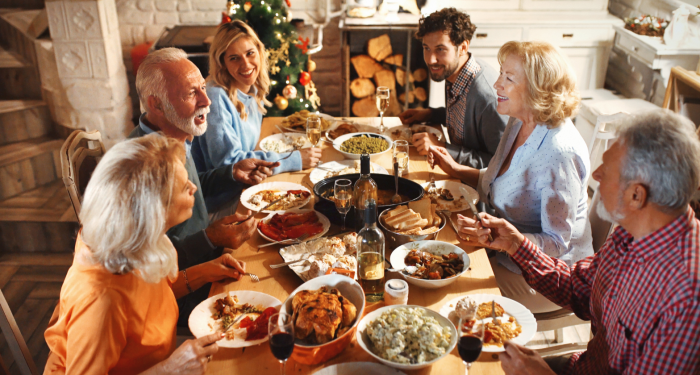
Dining out is about more than just food—it’s about how you show up in a shared space. From talking too loudly to treating staff poorly, certain restaurant habits instantly reveal a lack of social awareness. In this article, we break down seven common behaviors that can ruin the dining experience for everyone—and how to avoid them so you come across as thoughtful, considerate, and socially tuned-in.
Something is fascinating about watching people in restaurants.
You see the best and worst of human behavior packed into one space—manners, patience, generosity, and sometimes a shocking lack of awareness.
Having worked in hospitality for years, I’ve seen firsthand how people’s dining habits reveal more than just their food preferences. They reveal character.
And the truth is, some habits instantly make someone seem oblivious, inconsiderate, or socially unaware.
Here are seven of the biggest offenders.
1) Talking too loudly
Restaurants are meant to be social spaces, but that doesn’t mean they’re your private living room.
We’ve all been there—trying to enjoy a meal when the table next to us is practically yelling across their plates.
Being too loud doesn’t just disturb other diners. It also makes servers’ jobs harder since they have to shout over the noise.
In fine dining, I’ve watched entire rooms shift uncomfortably because of one booming voice.
It’s not that you need to whisper, but reading the room matters. If the general volume is low and calm, don’t be the one breaking the atmosphere.
2) Treating staff poorly
There’s an old saying: the way someone treats service staff says more about them than about the staff. And it’s absolutely true.
I’ve seen diners snap their fingers, roll their eyes, or complain in condescending tones. What they don’t realize is that everyone notices, not just the server.
Other diners pick up on that energy. Your friends and colleagues notice too.
Showing respect doesn’t cost a thing. A simple “please” or “thank you” goes further than most people realize.
It signals that you recognize the humanity in the person bringing your food, not just the plate itself.
3) Ignoring dining etiquette basics
You don’t need to be an etiquette expert to avoid the basics. Yet, some people act as if they’ve never been in a shared dining space before.
Things like chewing with your mouth open, placing your phone on the table during the meal, or reaching across someone’s plate without asking.
These small actions add up. They send a message that you’re not tuned in to the experience of the people around you.
I once sat next to a man at a nice Italian spot who took a phone call on speaker. In the middle of dinner service.
In that moment, it wasn’t his pasta that spoke for him—it was his lack of awareness.
4) Being rude about food preferences

We all have different tastes, dietary needs, and cultural food habits. But making a big show of rejecting something—or mocking what others order—is a fast way to show poor social awareness.
I’ve witnessed diners loudly declare, “I’d never eat something like that,” while a friend at the same table had just ordered it. Imagine how awkward that feels.
There’s a difference between politely declining a dish and putting down someone else’s choice. Curiosity and respect make for much better dinner companions than criticism.
5) Not respecting time
Time is a big one in restaurants.
Showing up late for a reservation, lingering too long after finishing when people are waiting for tables, or monopolizing a server’s attention—all of these disrupt the flow of service and inconvenience others.
I remember one table that lingered for over four hours on a Saturday night in a small bistro.
The servers were polite, but the tension in the room was obvious as other guests stood waiting at the bar. The group didn’t notice.
Being aware of timing doesn’t mean rushing your meal. It just means recognizing that restaurants are shared spaces where your actions affect others.
6) Overindulging in alcohol
There’s nothing wrong with enjoying a glass of wine or a cocktail with dinner. But crossing the line into sloppiness changes the entire vibe of a table.
Excessive drinking often leads to raised voices, inappropriate jokes, and an inability to engage with others respectfully.
I’ve had to escort guests out of fine dining rooms because they lost control after too many drinks. Trust me, nobody at the table left impressed.
A good rule? Leave the table while you’re still charming, not when you’ve become someone else’s story.
7) Making everything about themselves
And finally, the most subtle but equally damaging habit: dominating the table with self-centered conversation.
We’ve all had dinner with someone who hijacks every story, interrupts constantly, or doesn’t ask a single question about others.
At restaurants, where meals are meant to be shared experiences, this behavior is especially glaring.
It’s not about a perfectly balanced conversation, but awareness. The best dinners I’ve had weren’t about the food alone—they were about the exchange of stories, laughter, and genuine listening.
When someone can’t tune into others, the whole table feels it.
Final thoughts
Restaurants are more than just places to eat. They’re social theaters where our habits speak louder than our words.
The way you treat staff, the noise level you maintain, the respect you show for others’ time and choices—these things reveal volumes about your social awareness.
If you’ve caught yourself in one or two of these habits before, don’t worry. We all slip up sometimes. The good news is that awareness is the first step to change.
And maybe that’s the real takeaway: a great dining experience isn’t just about the menu. It’s about the energy you bring to the table.
If You Were a Healing Herb, Which Would You Be?
Each herb holds a unique kind of magic — soothing, awakening, grounding, or clarifying.
This 9-question quiz reveals the healing plant that mirrors your energy right now and what it says about your natural rhythm.
✨ Instant results. Deeply insightful.