Being sick as a kid wasn’t fun, but it did have one silver lining: the special comfort foods you only got when you were feeling unwell.
When you were a kid and feeling poorly, the world felt smaller.
The lights seemed too bright, your head too heavy, and even walking to the couch felt like an epic journey.
But there was one thing you could count on: your family would do whatever they could to make you feel better.
For lower-middle-class families, that care often came in the form of simple, practical foods that were easy to prepare and soothing to eat.
These weren’t trendy superfoods or expensive organic blends.
They were humble, hearty meals passed down through generations, designed to comfort both body and budget.
Here are nine comfort foods that instantly take you back to those childhood sick days—and reveal a lot about where you came from.
1. Canned chicken noodle soup
No food says “sick day” quite like a can of chicken noodle soup.
It wasn’t homemade with fresh herbs and free-range chicken.
It was store-bought, salty, and somehow always had slightly soggy noodles no matter how carefully it was cooked.
The smell alone felt medicinal, like a promise that things would get better soon.
Your parent or grandparent would open the can, pour it into a saucepan, and stir while you sat bundled up on the couch.
Maybe they added a few crackers on the side if you were lucky.
It was simple, cheap, and strangely magical—because it always made you feel just a little bit stronger.
2. Saltines and ginger ale
If your stomach was upset, there was a universal cure: saltines and ginger ale.
The saltines came from a slightly crumpled box that had been in the pantry for months.
They were dry, bland, and perfect for settling nausea.
The ginger ale was always flat by the second day, but that didn’t matter.
Your family swore by it as a miracle beverage for everything from stomach bugs to headaches.
Even as an adult, one sip of ginger ale can instantly transport you back to your childhood couch, wrapped in a blanket, sipping slowly through a bendy straw.
3. Buttered toast cut into triangles
When you couldn’t keep much down, buttered toast was the go-to.
Not fancy artisan bread—just basic, store-brand white bread toasted to perfection and slathered with margarine.
Sometimes it was sprinkled with a little cinnamon sugar if someone wanted to make it extra special.
The best part?
It was always cut into neat little triangles, as if geometry somehow made it easier to eat.
This was the universal sick-day food, served on a paper towel or a mismatched plate carried carefully to wherever you were camped out.
4. Instant mashed potatoes
If your family wanted to really “spoil” you, they’d break out the instant mashed potatoes.
Fluffy, buttery, and definitely made from a box of powder rather than actual potatoes, these were pure comfort in a bowl.
They didn’t require much effort—just hot water, milk, and a little stirring.
And somehow, they always tasted like love, even if they weren’t technically gourmet.
Sometimes they were served plain.
Other times, a little gravy was added if there happened to be a jar or packet in the cupboard.
Either way, it felt like a big deal compared to your usual sick-day snacks.
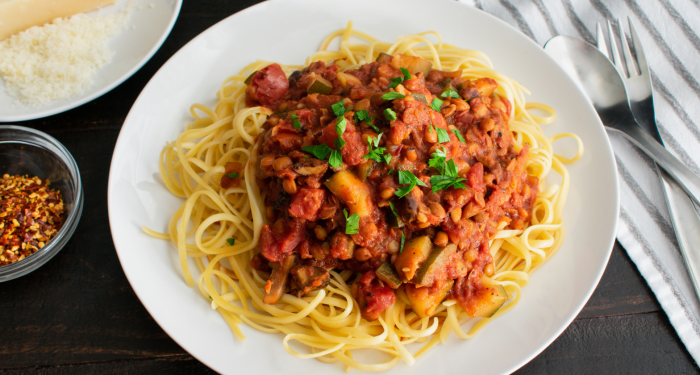
5. Plain spaghetti with butter
If you weren’t feeling up to much flavor, plain spaghetti with butter was the ultimate solution.
It wasn’t about seasoning or presentation.
It was about simplicity and comfort.
Just a pile of soft noodles tossed with margarine—or sometimes a splash of vegetable oil if butter was running low.
Occasionally, a sprinkle of parmesan from a green plastic container made its way on top.
This dish wasn’t glamorous, but it was filling, cheap, and easy to eat when you didn’t have much appetite.
And in its own way, it felt like a little bowl of safety.
6. Oatmeal made with milk (if you were lucky)
On really cold mornings, nothing felt more soothing than a bowl of warm oatmeal.
Most of the time, it was made with water to stretch the budget further.
But if you were especially poorly—or it was a special treat—someone would make it with milk instead.
That extra creaminess felt luxurious, like you were at a five-star hotel instead of sitting at your family’s kitchen table in your pajamas.
Brown sugar or a drizzle of honey on top was the ultimate finishing touch.
Simple, hearty, and made with care, it was the definition of comfort food.
7. Grilled cheese and tomato soup
This was the ultimate “fancy” sick-day meal.
The grilled cheese was made with basic white bread and slices of processed American cheese.
It came out golden brown, with slightly burnt edges that somehow made it taste even better.
The tomato soup?
Almost always from a can, thinned with water or milk depending on what was available.
Dipping that crispy, cheesy sandwich into the warm, tangy soup was pure bliss.
It felt like a restaurant meal—even though it was probably the cheapest dinner option in the house.
8. Jell-O cups in neon colors
When you were really sick and had no appetite, there was one food everyone agreed on: Jell-O.
It didn’t matter if it was cherry red, lime green, or neon orange—it was easy to eat and somehow felt medicinal.
Sometimes it was served in little plastic cups straight from the store.
Other times, someone made a big bowl of it at home and spooned it into mismatched bowls.
It wasn’t particularly filling, but it felt like a treat when you had nothing else in you.
The wobbly texture alone was oddly comforting.
9. Rice with a splash of soy sauce or butter
Rice was the ultimate budget-friendly comfort food.
When you weren’t feeling well, your family would make a simple bowl of it—plain, soft, and easy to digest.
Sometimes it was topped with a little butter, other times with a splash of soy sauce for flavor.
It was never fancy, but it was warm and familiar, which was exactly what you needed.
Even now, as an adult, making a bowl of rice this way can feel like a hug from your childhood.
The bigger picture
These foods weren’t gourmet, and they definitely weren’t trendy.
But they represented something deeper: love expressed through what was available.
For lower-middle-class families, comfort didn’t come from luxury ingredients.
It came from the effort to make a sick child feel safe and cared for, even when resources were limited.
As adults, we look back and realize those humble meals weren’t just about feeding us.
They were about teaching us resilience, gratitude, and the simple power of showing up when someone needs you.
Closing thought
If you ate these nine foods when you were poorly as a child, you didn’t just grow up lower-middle-class—you grew up surrounded by resourcefulness and care.
These meals may have been inexpensive, but they carried a priceless message: “You’re loved, and we’ll make the best of what we have to help you heal.”
And that’s a lesson that sticks with you long after the Jell-O cups and saltines are gone.
If You Were a Healing Herb, Which Would You Be?
Each herb holds a unique kind of magic — soothing, awakening, grounding, or clarifying.
This 9-question quiz reveals the healing plant that mirrors your energy right now and what it says about your natural rhythm.
✨ Instant results. Deeply insightful.