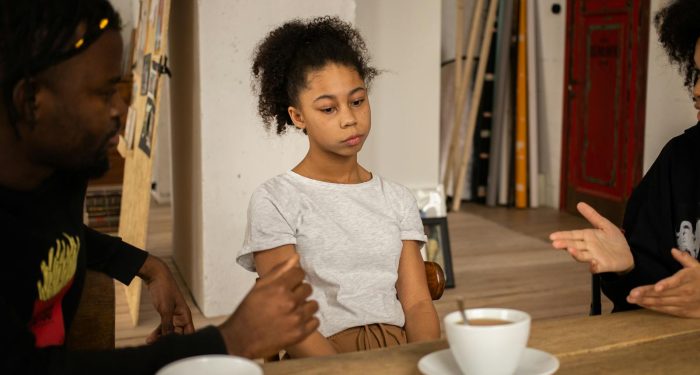
Boomers didn’t just eat together - they built family bonds one meal at a time.
For many boomers, family meals were more than just eating together, they were a daily ritual.
They did not need elaborate dining rooms, organic ingredients, or carefully curated conversation starters.
They used simple moments around the table to build relationships, teach values, and check in on each other.
Today, younger generations are often pulled in different directions, busy schedules, screen distractions, and on the go eating habits have replaced sit down dinners.
But boomers knew something important, mealtimes were one of the easiest ways to stay connected as a family.
Here are nine ways boomers used meals to build closeness, rituals younger generations often overlook or dismiss as outdated.
1. Sitting at the table every night
Boomers grew up knowing that dinner happened at the table, not in front of the TV or in separate rooms.
It did not matter how simple the meal was, what mattered was showing up.
It sent a powerful message, family time is important.
There was consistency and routine, which created comfort and stability.
Younger generations often eat when and where it is convenient, but boomers saw dinner time as non negotiable.
It was their daily anchor, a moment everyone could count on.
2. Eating the same meal, no special orders
If mom made chili or casserole, that was what everyone ate, no substitutes, no separate kid meals.
This taught gratitude, flexibility, and the idea that meals were a shared experience.
Boomers learned not to complain but to appreciate what they were given.
Eating the same meal created unity, everyone enjoyed the same thing at the same time.
Today, mealtime often resembles a restaurant with customized plates and picky preferences.
Boomers did not see food as personal expression, it was about togetherness.
3. Talking about the day face to face
Long before group chats and disappearing messages, real conversations happened over dinner.
Boomers used meals to catch up, share stories, and ask questions.
It was not small talk, it was daily life being processed together.
They learned empathy by hearing about others challenges.
They built communication skills by talking instead of texting.
It created emotional closeness, whether they realized it at the time or not.
4. No screens allowed, just people
Boomers did not have phones to check or social media to scroll.
Even when TVs became common, many homes had a rule, no TV during dinner.
Meals were meant for connection, not distraction.
People looked at each other while they talked.
They were present, listening, and engaged.
That level of undivided attention is rare today, but it made relationships stronger.
5. Sharing chores before and after meals
Dinner was not just about eating, it was teamwork.
Setting the table, helping cook, and washing dishes afterward were family responsibilities.
These simple rituals taught accountability and appreciation for effort.
No one expected to be waited on, everyone contributed.
It was an unspoken lesson, family life works when everyone participates.
Younger generations sometimes overlook how connection is built by working together, not just sitting together.
6. Saying grace or expressing gratitude
Whether religious or not, many boomer families paused before eating.
Some said a prayer, others simply gave thanks.
It was a moment to slow down, acknowledge the meal, and appreciate one another.
It taught humility and awareness of others efforts.
Boomers learned that meals were a privilege, not a guarantee.
This small ritual created a sense of grounding many people crave today.
7. Inviting neighbors and friends to join
Meals were not always just family only, extras were always welcome.
If a friend was over, they pulled up a chair.
If a neighbor needed company, they found a seat at the table.
Sharing food was an act of community, not formality.
Boomers grew up knowing hospitality did not require perfection, it required warmth.
That inclusive mindset built strong friendships and neighborhood bonds.
8. Using mealtime to solve problems
Hard conversations did not happen over text, they happened over the table.
Boomers hashed out disagreements in person, sometimes right after passing the mashed potatoes.
Parents used meals to teach life lessons and handle family issues.
No one stormed off, they stayed and worked things through.
It was not always comfortable, but it built emotional toughness.
Mealtime was therapy before therapy was mainstream.
9. Making weekends special with big family meals
Sundays or holidays often meant bigger meals with extended family.
Grandparents, aunts, uncles, and cousins crowded around long tables.
Recipes were passed down, stories were shared, and laughter echoed.
These meals connected generations and created lasting traditions.
Food was love, memory, and heritage served on a plate.
Younger generations may move more often and live farther apart, but boomers knew how to keep family roots alive.
The bigger picture
Boomers did not use fancy language like intentional family time or emotional bonding.
They just sat together, ate together, and showed up for each other.
In a world that moves faster than ever, maybe the old way was not so old fashioned after all.
Maybe connection is not complicated, it just takes commitment.
Because no matter the decade, the best memories are still made around a table.