What we choose to eat often says less about our plates—and more about the stories we want others to believe about us.
Not all vegans are created equal.
Some came to plant-based life after watching a documentary that wrecked them emotionally. Others did it for health, for the animals, or for the planet.
And then… there are the ones who went vegan for clout.
You know the type. They treat veganism less like a value system and more like an accessory, the dietary equivalent of carrying a trendy tote bag that screams, “Look at me, I’m better than you.”
But how do you tell the difference?
Over the years, I’ve noticed some very specific food habits that give status-vegans away. Here are nine of them—equal parts hilarious, infuriating, and eye-roll inducing.
1. They name-drop vegan restaurants like they’re luxury brands
Values-driven vegans will happily eat falafel from a food truck.
Status-vegans? They only eat at places with a waitlist and a PR manager.
If you’ve heard someone casually drop the name of the newest vegan fine-dining spot more times than they’ve mentioned tofu, you’ve found yourself a status vegan.
The food is less about nourishment, more about brand identity.
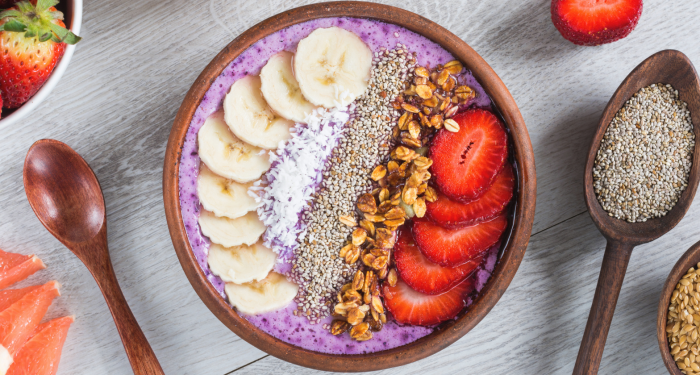
2. They obsess over “Instagrammable” meals
There’s nothing wrong with snapping a picture of a beautiful plant-based bowl.
But when someone spends 20 minutes arranging microgreens on their smoothie, lying on the café floor to get the perfect angle, and then eats the whole thing cold… they’re not in it for the nutrients.
They’re in it for the likes.
If veganism requires ring lights, hashtags, and a soft-focus latte art tutorial—status has replaced values.
3. They treat superfoods like fashion trends
Acai. Spirulina. Maca. Activated charcoal.
Status-vegans are always chasing the next superfood, as if chia seeds suddenly became passé.
It’s not about eating whole, nourishing plants—it’s about being seen as the first to try the latest $12 powder.
If their pantry looks like a witch’s apothecary but they can’t cook a chickpea to save their life, you know what’s up.
4. They talk more about price than principles
Ask a values-driven vegan why they don’t eat meat, and you’ll hear about compassion, sustainability, or health.
Ask a status-vegan, and they’ll tell you how much their vegan meal cost.
They’ll brag about the $25 burger, the $40 brunch, the $200 tasting menu—as if the higher the bill, the higher the morals.
Spoiler: values don’t have price tags.
5. They make “vegan” their whole personality
Being vegan influences your personality—it shifts how you see food, culture, and compassion.
But for a status-vegan, it is their personality.
Every sentence starts with “As a vegan…”
Every anecdote ends with “…and it was vegan.”
If they introduce themselves with their dietary label before their name, chances are they didn’t come for the animals—they came for the applause.
6. They sneer at “basic” plant foods
True vegans know: beans, rice, and vegetables are the backbone of plant-based eating.
Status-vegans, however, act like lentils are beneath them.
Unless it’s a jackfruit taco from a pop-up run by a tattooed chef with a New York Times feature, they’re unimpressed.
They don’t want humble, nourishing meals—they want haute cuisine with a side of validation.
7. They constantly compare veganism to non-vegan luxury
You’ll hear them say things like, “This vegan cheese is just as good as a $40 artisanal dairy cheese from Paris.”
Or, “This seitan steak feels exactly like Wagyu.”
Status-vegans can’t just enjoy the food for what it is—they have to elevate it by aligning it with the most elite non-vegan alternative.
For them, being vegan isn’t about redefining taste—it’s about proving veganism can still be bougie.
8. They gatekeep the “right” kind of vegan
Values-vegans understand everyone’s path is different. Maybe you still eat honey, or you’re flexitarian on holidays. Progress over perfection.
Status-vegans, though, police the rules like it’s a sport.
If your oat milk isn’t organic, your tofu isn’t artisanal, or your veggies aren’t locally sourced from a farm with a manifesto, you’re not a “real” vegan in their eyes.
It’s less about ethics, more about elitism.
9. They quit as soon as it’s not trendy anymore
This is the ultimate tell.
Values-driven vegans can sustain the lifestyle because it’s anchored in compassion, health, or environmental urgency.
Status-vegans? The second the trend shifts—from “plant-based” to “regenerative carnivore” or whatever the next hashtag is—they’re out.
Because at the end of the day, it was never about the animals, or the planet, or even themselves.
It was about optics.
So why does this matter?
On the surface, status-vegans might seem harmless. So what if someone wants to flex their açai bowl or hashtag their moral superiority?
But here’s the thing: when veganism becomes about status, it undermines the very values that make it powerful.
It makes the movement look elitist, performative, and inaccessible. It turns what should be a path toward compassion and sustainability into yet another consumerist performance.
That matters. Because the future of our planet, our health, and our ethics depends on more people joining—not fewer.
If veganism becomes a status symbol instead of a values-driven shift, it risks alienating the very people it’s meant to inspire.
Final thoughts
At its core, veganism isn’t about where you eat, what hashtags you use, or how many supplements are in your pantry.
It’s about choosing compassion over convenience. Values over vanity.
So if you’re plant-based and you catch yourself leaning toward the status-vegan side of the spectrum, don’t beat yourself up.
Just ask: am I doing this for the animals, the planet, my health—or just the applause?
Because food should feed more than your ego.
It should feed your humanity.
If You Were a Healing Herb, Which Would You Be?
Each herb holds a unique kind of magic — soothing, awakening, grounding, or clarifying.
This 9-question quiz reveals the healing plant that mirrors your energy right now and what it says about your natural rhythm.
✨ Instant results. Deeply insightful.