The things we eat say more about how we treat ourselves than we realize. It’s not about counting calories or chasing perfection—it’s about whether you see your body as something worth taking care of or just a dumping ground for whatever’s convenient.
Eating isn’t just about hunger.
It’s about values, habits, and how you think about your own well-being.
When you truly respect your body, you tend to choose foods that nourish, energize, and sustain you.
When you don’t, you fall back on whatever’s cheap, easy, and designed to give a quick hit of pleasure followed by a crash.
We all indulge sometimes, and there’s nothing wrong with that.
But when certain foods become staples instead of occasional treats, they can quietly reveal a pattern of self-neglect.
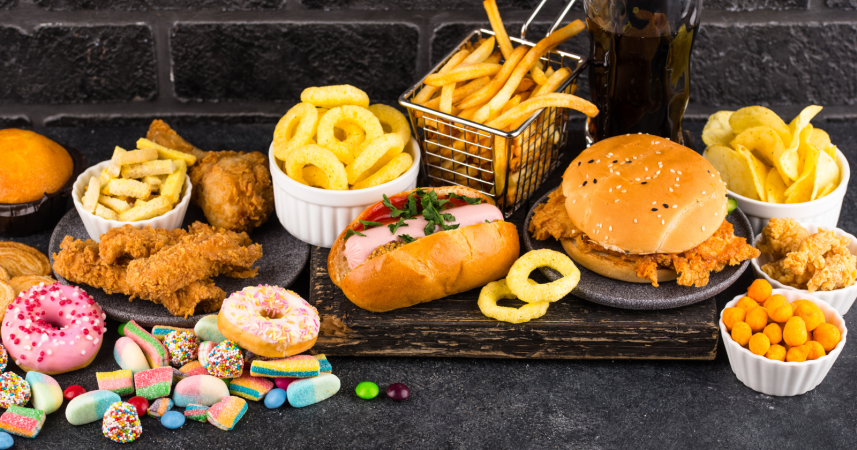
Here are eight common offenders—and what they might really be saying about how you treat yourself.
1. Sugary breakfast cereals
If your “morning fuel” looks more like dessert than an actual meal, you’re setting yourself up for disaster before the day even begins.
Most popular breakfast cereals are loaded with sugar, artificial coloring, and almost no real nutrition.
They spike your blood sugar fast, giving you a brief burst of energy, then leave you tired, irritable, and craving more sugar by mid-morning.
When you eat this stuff every day, you’re essentially telling your body, “I need a quick fix, but I don’t care about long-term consequences.”
A nourishing breakfast doesn’t have to be complicated—just real, whole foods that give you steady energy instead of a rollercoaster.
If your day starts in chaos, it usually stays in chaos.
And your breakfast choice is often the first signal of which path you’re on.
2. Fast-food fries
French fries are delicious.
There’s no denying that.
But when they’re your go-to side with every meal, they start to say something about how you view your health.
Fast-food fries are usually fried in cheap, inflammatory oils and packed with salt that leaves you feeling bloated and dehydrated.
The serving sizes have also quietly ballooned over the years—what used to be a “large” is now enough to feed three people.
When fries stop being an occasional treat and become a staple, they reveal a certain mindset: one where immediate comfort wins over long-term vitality.
It’s not about never eating fries again.
It’s about recognizing when they’ve become a crutch for stress, boredom, or habit.
3. Soda (yes, even diet soda)
Nothing screams “I’ve given up” quite like drinking soda on a daily basis.
Regular soda floods your system with sugar, leading to energy crashes, weight gain, and a host of long-term health issues.
Diet soda might seem like a smarter choice, but research shows it can mess with your gut microbiome and trick your brain into craving even more sweetness.
If water feels boring and soda feels like a necessity, that’s a red flag.
It’s not just about the drink itself—it’s about what it represents: a refusal to give your body the simple, essential fuel it actually needs.
Hydration should help you feel alive, not artificially revved up and jittery.
When your drink of choice comes in a neon can, your body is silently begging for better.
4. Microwave dinners filled with preservatives
There’s a difference between convenience and compromise.
Microwave dinners can seem like a lifesaver on a busy night, but most are packed with preservatives, excess sodium, and low-quality ingredients.
They trick you into thinking you’re “eating a real meal,” when in reality, you’re just consuming a collection of chemicals shaped to resemble food.
If this is your default dinner, it often reflects a deeper issue: you’ve stopped believing you deserve better.
Cooking doesn’t have to mean hours in the kitchen.
Even simple, whole ingredients thrown together quickly will give your body more love than a frozen tray ever could.
Food is energy—and your energy level will always mirror the quality of what you put into yourself.
5. Gas station snacks masquerading as meals
Chips.
Packaged pastries.
Those little hot dogs rolling endlessly under a heat lamp.
These aren’t meals.
They’re emergency filler at best, yet many people treat them like an acceptable option when hunger hits.
The problem isn’t eating them once in a while.
It’s letting them become your norm.
When you regularly reach for these foods, it signals that you’re willing to accept the absolute bare minimum for yourself.
These items are engineered to be addictive, not nourishing.
And when they replace real food, you’re left feeling sluggish, irritable, and perpetually unsatisfied.
Your body deserves better than whatever’s sitting next to the cash register.
6. Ultra-processed deli meats
Cold cuts seem harmless.
They’re quick, easy, and a classic lunch staple.
But most deli meats are loaded with sodium, nitrates, and other preservatives that increase your risk for long-term health problems.
They also tend to come from the lowest quality cuts of meat, heavily processed to mask their origins.
When you rely on these day after day, it’s like whispering to your body, “This is good enough, I don’t need anything better.”
It’s not about becoming a food snob.
It’s about questioning whether you’re settling for convenience at the expense of vitality.
Even small swaps—like freshly cooked chicken or roasted veggies—can shift the energy you bring to every meal.
7. Energy drinks as a daily habit
An energy drink once in a blue moon isn’t the end of the world.
But when they become your go-to way to get through the day, it’s a sign your body is crying out for real rest and nutrition.
These drinks are loaded with caffeine, sugar, and artificial additives that jack up your system and then leave you crashing hard.
Psychologically, they also create a cycle where you start believing you need them just to function.
This isn’t sustainable.
True energy comes from sleep, balanced meals, and consistent movement—not from a fluorescent can of liquid adrenaline.
When you substitute quick fixes for genuine care, you’re telling your body that you value productivity over well-being.
And eventually, that trade-off catches up to you.
8. Packaged desserts you don’t even enjoy anymore
We’ve all eaten cookies or candy simply because they were there.
But when you regularly snack on packaged sweets you don’t even like that much, it’s a sign of disconnection from your own needs.
These desserts are designed to hit the perfect balance of sugar, fat, and salt to keep you hooked.
They don’t actually satisfy you—they just keep you coming back for more.
When you mindlessly consume them, you’re not treating yourself.
You’re numbing yourself.
True respect for your body comes from slowing down and choosing treats that bring joy, not just temporary distraction.
If you’re going to indulge, make it count.
Life’s too short to waste on stale cookies you don’t even want.
The bigger picture
This list isn’t about shame or rigid rules.
It’s about awareness.
The foods you eat regularly are a reflection of how you feel about yourself and what you believe you deserve.
Choosing better options isn’t about perfection—it’s about sending your body the message, “You matter enough for me to care.”
When you start seeing food as a form of self-respect, everything shifts.
Your energy improves.
Your mood lifts.
And you stop mistaking temporary pleasure for true nourishment.
Closing thought
You don’t have to overhaul your entire diet overnight.
Start with one small change.
Swap out a soda for water.
Cook one meal a week instead of microwaving dinner.
Replace mindless snacking with something intentional and satisfying.
Respect for your body grows in tiny, consistent steps.
And over time, those steps add up to a life where food isn’t just fuel—it’s a reflection of how deeply you value yourself.