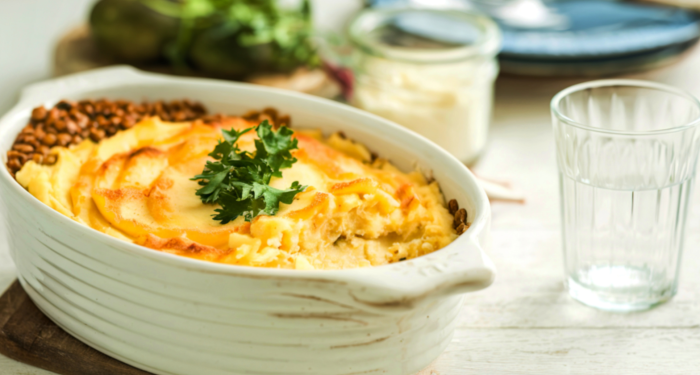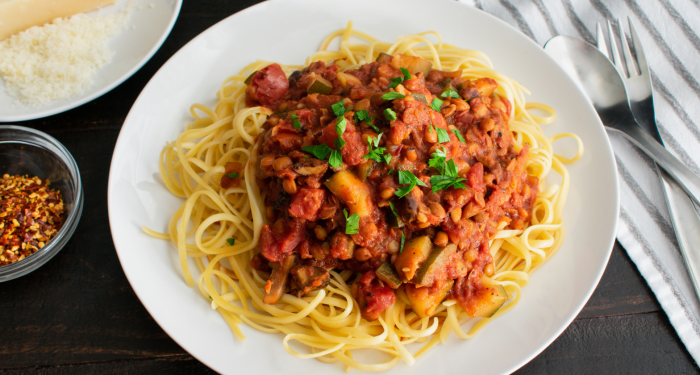
Working class dinners weren’t about fancy recipes—they were about stretching ingredients, feeding a crowd, and making mealtime count.
For many working class families, dinner wasn’t just about eating—it was about stretching every dollar to make sure everyone was fed.
Meals had to be filling, affordable, and often able to feed a crowd without breaking the budget.
Ingredients were chosen carefully, with an eye toward what could last for multiple meals or be repurposed later in the week.
These weren’t fancy dinners or elaborate recipes.
They were practical, comforting dishes that became staples in countless households.
Here are eight classic dinners that working class families relied on, stretching them across the week to make food—and money—go further.
1. Spaghetti night with plenty of leftovers
Spaghetti wasn’t just dinner—it was a strategy.
A single pot of pasta and sauce could feed a family for multiple nights, especially if you added a few slices of garlic bread or a basic salad on the side.
Some families stretched it even further by mixing in extra ingredients like canned vegetables, ground beef, or sausage to bulk up the sauce.
Leftovers were often reheated for lunch the next day or turned into baked spaghetti later in the week.
It was simple, hearty, and endlessly adaptable—a true budget hero.
2. Meatloaf with mashed potatoes and frozen veggies
Meatloaf was a staple because it could be made with inexpensive ground beef or a mix of whatever meats were on sale.
Breadcrumbs, eggs, and seasoning stretched the protein even further, making it a cost-effective way to feed a large family.
Served with mashed potatoes and a side of frozen vegetables, it was filling and satisfying.
The best part? Leftover meatloaf could be sliced for sandwiches or crumbled into casseroles later in the week.
It wasn’t glamorous, but it was dependable comfort food that got the job done.
3. Tuna casserole with crunchy topping
Canned tuna was a pantry essential because it was cheap, had a long shelf life, and packed plenty of protein.
Tuna casserole combined noodles, cream of mushroom soup, and peas—or whatever vegetables were on hand—into a one-pan meal.
A topping of crushed potato chips or breadcrumbs gave it a little extra texture and flavor.
This dish was a weeknight classic because it used affordable ingredients and stretched easily to feed a crowd.
Plus, it reheated well, making it perfect for leftovers or packed lunches.
4. Breakfast-for-dinner
Breakfast-for-dinner was a working class lifesaver.
Eggs, pancakes, and toast were inexpensive, filling, and quick to make after a long day.
Sometimes sausage or bacon was added if the budget allowed, but even without meat, it felt like a complete meal.
Kids loved it, parents appreciated the simplicity, and it used staples most families already had in the fridge or pantry.
It was also a great way to use up odds and ends before the next grocery run.
5. Hamburger helper or skillet dinners
Boxed meals like Hamburger Helper were a go-to for busy weeknights.
All you needed was ground beef, water, and milk, and you had a one-pot dinner ready in under 30 minutes.
These meals were cheap, filling, and customizable—you could toss in vegetables, extra noodles, or beans to stretch them further.
Even when made completely from scratch, skillet dinners followed the same formula: protein, starch, seasoning, and sauce.
It was quick, reliable, and budget-friendly.
6. Roast chicken with rice and gravy
Buying a whole chicken was more cost-effective than individual cuts, and nothing went to waste.
Families would roast the chicken for Sunday dinner, then use the leftovers throughout the week in sandwiches, soups, or casseroles.
The drippings became gravy, and the bones were often simmered to make homemade stock.
Paired with rice and a simple side like green beans or carrots, this meal was hearty and economical.
Stretching one chicken into multiple meals was a skill every working class cook mastered.
7. Chili with cornbread or saltine crackers
Chili was perfect for stretching ingredients without sacrificing flavor.
It could be made with whatever ground meat was on sale—or even just beans for a vegetarian version.
Canned tomatoes, spices, and beans turned it into a hearty, filling pot of comfort food.
Cornbread, saltine crackers, or even rice were served alongside to make it go further.
Leftovers only got better as the flavors melded, making this a perfect multi-day meal.
8. Homemade pizza night
Ordering takeout pizza wasn’t always in the budget, so many families made their own at home.
Using store-bought dough or homemade crust, they’d add basic toppings like sauce, shredded cheese, and whatever meats or veggies were available.
It was fun, interactive, and much cheaper than delivery.
Plus, any extra dough or toppings could be used later for snacks or quick lunches.
Homemade pizza night was more than a meal—it was a family tradition that felt special without costing much.
The bigger picture
For working class families, dinner wasn’t about presentation or prestige.
It was about making sure everyone had enough to eat, while stretching ingredients as far as possible.
These classic meals might not have been glamorous, but they were full of love, resourcefulness, and practicality.
Even today, many people look back on these dishes with nostalgia, remembering not just the food, but the sense of togetherness it brought to the table.
If You Were a Healing Herb, Which Would You Be?
Each herb holds a unique kind of magic — soothing, awakening, grounding, or clarifying.
This 9-question quiz reveals the healing plant that mirrors your energy right now and what it says about your natural rhythm.
✨ Instant results. Deeply insightful.