These foods are banned in Europe for a reason, but in America they are still sitting in school lunches and family kitchens every single day.

Add VegOut to your Google News feed. 
The United States loves to promote itself as a leader in everything.
But food safety is not one of those areas.
In fact, many ingredients that are totally legal in American supermarkets are banned in Europe because of health concerns.
These ingredients do not just sound suspicious, they have been linked to issues like cancer risk, hormone disruption, hyperactivity in children, and long term organ damage.
Yet somehow they still end up in school lunches, grocery carts, and everyday brands most Americans trust.
Here are ten foods you will not find on shelves in Europe that Americans eat without a second thought.
1. Mountain Dew and citrus sodas
Most people have no idea that many citrus sodas contain brominated vegetable oil, also called BVO.
It is banned in Europe because it contains bromine, a chemical linked to memory problems and thyroid issues.
BVO is used to keep the flavor mixed evenly so the drink does not separate.
It is not essential and it does not improve taste.
It is simply cheaper for soda companies to use.
2. Frosted breakfast cereals
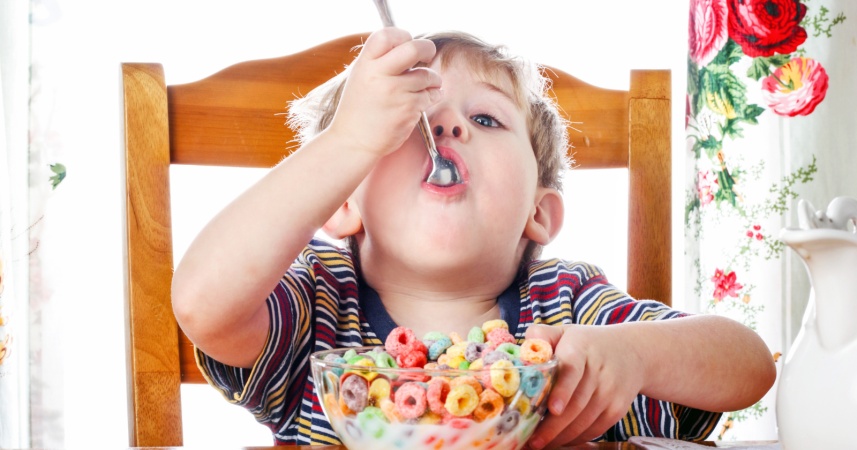
American grocery aisles are full of brightly colored cereals that get their fun look from artificial dyes like Red 40, Yellow 5, and Yellow 6.
Europe restricts or bans these dyes because they are linked to hyperactivity in children and behavioral issues.
In Europe, companies reformulate these cereals to avoid dyes.
In the United States the same brands sell the cheaper, artificial versions.
3. Skittles and other colorful candies
Skittles, gummy candies, and fruit snacks owe their bright colors to synthetic petroleum based dyes and additives like titanium dioxide.
Titanium dioxide is banned in Europe over concerns it may damage DNA.
American candy manufacturers continue to use it because the FDA still allows it.
These dyes are purely cosmetic and offer no benefit besides making processed food look more appealing.
4. Farm raised salmon
In the United States most salmon sold in supermarkets is farmed, not wild.
To make the salmon look pink and fresh, producers add synthetic coloring to fish feed.
Europe heavily restricts farmed salmon due to concerns over antibiotic and chemical exposure.
Wild salmon is naturally pink because of its diet.
Fake coloring is not a warning label Americans ever see.
5. Processed bread
Potassium bromate is a common bread additive in the United States used to improve texture and help dough rise.
The problem is that it is a possible carcinogen and has been banned in Europe, Canada, and many other countries.
American bread companies keep using it because it is cheaper than safer alternatives.
Most people who eat it have no idea they are consuming a chemical that other countries refuse to allow.
6. Chlorine washed chicken
In the United States poultry is often rinsed in chlorine to kill bacteria.
This practice is banned in Europe.
The reason is simple, Europe believes food safety should start with cleaner farming conditions, not chemical washing after contamination happens.
American chicken passes inspection but only because it has been chemically treated before packaging.
7. Instant mashed potatoes and packaged snacks
BHA and BHT are two preservatives used to stop oils from going bad in products like instant potatoes, cereal, chips, and crackers.
They are linked to cancer risk and are banned or restricted in Europe.
Both chemicals are still legal in the United States.
They extend shelf life but create long term health concerns.
8. American milk
In the United States some dairy farms use a synthetic growth hormone called rBGH to increase milk production in cows.
This hormone is banned in Europe and Canada due to concerns over increased cancer risk.
Milk from treated cows is still sold in the United States unless it is labeled as rBGH free.
Most Americans have no idea their milk may contain growth hormones.
9. Pork raised with ractopamine
Ractopamine is a drug given to pigs to make them grow leaner.
It is banned in Europe, China, and over 150 countries.
It has been linked to heart issues and other health risks.
In the United States there is no requirement to label pork treated with ractopamine.
If you are buying conventional pork, chances are you are eating it.
10. Chewing gum
Many brands of gum in the United States still contain artificial colors, preservatives like BHA, and other chemical additives.
Several of these ingredients are banned in Europe because of their potential impact on health.
Americans are sold the same brands but with lower ingredient standards.
Once again, you get what regulations allow.
The bigger picture
Europe follows a simple rule, if an ingredient looks risky it is removed from the food supply until proven safe.
The United States does the opposite.
Ingredients stay legal until enough people get sick for action to be taken.
The food industry relies on that gap and uses it to cut costs while consumers pay the price with their health.
Reading labels and choosing fewer processed foods is not just a wellness trend.
It is a form of self protection.