Not all plant foods are created equal when it comes to environmental impact, so here's what actually makes a difference on your plate.
Going plant-based is already a solid move for the planet.
But if you've ever stood in the grocery aisle wondering whether your imported quinoa is secretly destroying a rainforest, you're not alone.
The truth is, some vegan foods are environmental superstars while others carry a heavier footprint than you'd expect.
The good news? You don't need a PhD in environmental science to eat more sustainably.
A few simple swaps can dramatically reduce your water usage, carbon emissions, and land impact. According to research from Oxford University, what you eat matters far more than where it comes from.
So let's break down the plant foods that give you the biggest environmental bang for your buck, and why they deserve a regular spot in your kitchen.
1. Lentils and dried beans
These humble legumes are basically the Tesla of the food world.
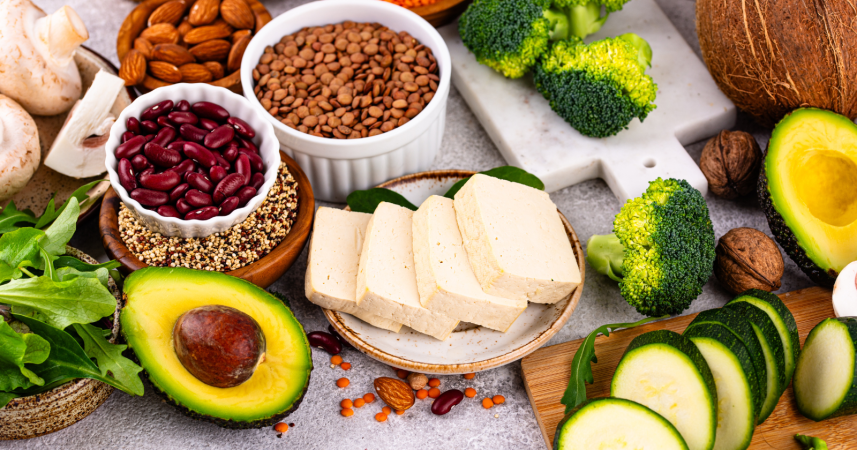
They require minimal water, naturally fix nitrogen in the soil (which means less fertilizer), and pack serious protein without the environmental drama of animal agriculture.
One kilogram of lentils produces roughly 0.9 kg of CO2 equivalent. Compare that to beef at around 60 kg, and you start to see why your grandma's bean soup was ahead of its time. Plus, dried beans store forever, reducing food waste.
The versatility is unmatched too. Curries, soups, tacos, salads. They absorb whatever flavors you throw at them. Stock up on the dried versions rather than canned to cut down on packaging and transportation weight.
2. Locally grown seasonal vegetables
Here's where the "eat local" crowd actually has a point. Seasonal vegetables grown in your region skip the energy-intensive greenhouse heating and long-haul transportation that out-of-season produce requires.
Summer tomatoes from a nearby farm? Excellent choice. January tomatoes flown in from halfway across the world? Not so much.
The carbon footprint difference can be substantial when you factor in refrigerated shipping and artificial growing conditions.
Hit up your local farmers market or join a CSA box program. You'll discover vegetables you've never cooked with before, and your meals will taste noticeably better. There's something satisfying about eating food that didn't require a passport to reach your plate.
3. Oats
Your morning oatmeal is doing more good than you realized. Oats require relatively little water to grow, thrive in cooler climates without irrigation, and have one of the lowest carbon footprints of any grain.
They're also incredibly versatile beyond breakfast. Oat flour works beautifully in baking, oat milk has become a coffee shop staple, and savory oat bowls are having a moment. The whole grain keeps you full for hours, which means less snacking and less overall consumption.
Buy them in bulk to minimize packaging waste. A big canister of rolled oats costs almost nothing and lasts for weeks. That's sustainable eating that also happens to be budget-friendly.
4. Potatoes and root vegetables
Potatoes get a bad rap from diet culture, but environmentally speaking, they're champions. They produce more food per acre than almost any other crop, require minimal processing, and store for months without refrigeration.
Root vegetables like carrots, beets, and turnips share similar benefits. They grow underground, protected from pests, which means fewer pesticides. They're hardy, they travel well, and they don't require fancy packaging to stay fresh.
I started roasting a big batch of root vegetables every Sunday. It's become my go-to base for weeknight meals, and knowing these foods are genuinely low-impact makes them taste even better.
5. Tofu and tempeh
Soy gets complicated because of deforestation concerns, but here's the thing: most soy grown globally feeds livestock, not humans.
The tofu and tempeh in your grocery store typically comes from soybeans grown in the US, Canada, or Europe with far better environmental standards.
Per gram of protein, tofu uses a fraction of the water and land that animal proteins require. Tempeh goes a step further with its fermentation process, which actually increases nutrient availability while adding beneficial probiotics.
Look for organic or non-GMO labels if you want extra assurance about sourcing. These products have become so mainstream that sustainable options are easier to find than ever.
6. Nuts and seeds (with some caveats)
Almonds have gotten bad press for their water usage, and it's somewhat deserved. But context matters. Even water-intensive almonds use far less resources than dairy milk when you compare them nutritionally.
That said, some nuts are genuinely better choices. Peanuts (technically legumes) grow easily with minimal irrigation. Sunflower seeds thrive in diverse climates. Walnuts and hazelnuts require less water than almonds and grow well in temperate regions.
The key is variety. Don't rely solely on one nut or seed. Mix it up, buy from domestic sources when possible, and remember that even the "worst" plant options still beat animal products by a wide margin.
Final thoughts
Eating for the planet doesn't require perfection or obsessive label-reading.
It's about general patterns, not individual choices made under a microscope. Legumes, whole grains, seasonal vegetables, and thoughtfully sourced proteins will always be solid foundations.
The most sustainable diet is also one you'll actually stick with. If you love almond butter, keep eating it. Just maybe add some peanut butter to the rotation too. Small shifts, maintained over time, create real impact.
What strikes me most is how the most eco-friendly foods also happen to be the most affordable and the most nutritious. Beans, oats, potatoes, seasonal vegetables. These aren't trendy superfoods with marketing budgets.
They're the basics that humans have thrived on for centuries. Sometimes the simplest choices really are the best ones.
What’s Your Plant-Powered Archetype?
Ever wonder what your everyday habits say about your deeper purpose—and how they ripple out to impact the planet?
This 90-second quiz reveals the plant-powered role you’re here to play, and the tiny shift that makes it even more powerful.
12 fun questions. Instant results. Surprisingly accurate.