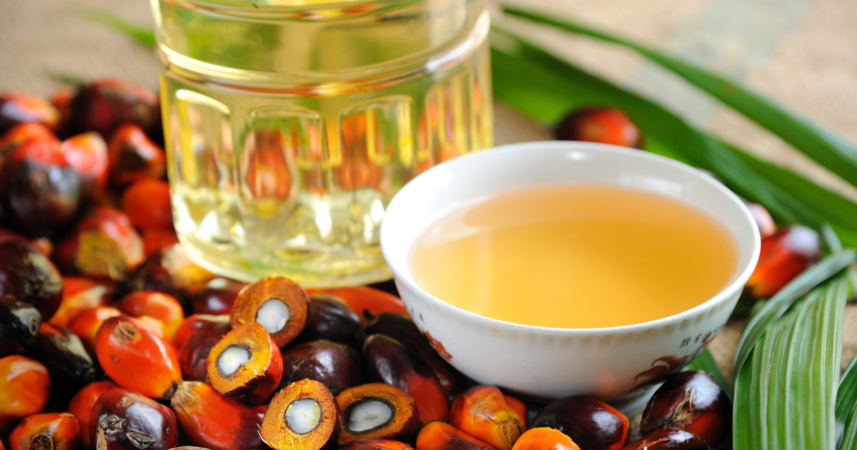
That innocent-looking ingredient in your vegan cheese might be hiding a complicated truth about what it really means to eat ethically.

Add VegOut to your Google News feed. 
Here's something that might mess with your head a little. You've ditched dairy, said goodbye to eggs, and feel pretty good about your choices. Then you flip over a package of vegan cookies and spot it: palm oil.
Suddenly you're standing in the grocery aisle wondering if your plant-based lifestyle is actually as ethical as you thought.
Palm oil is everywhere. It's in roughly half of all packaged products, from peanut butter to shampoo to those delicious vegan ice cream sandwiches you've been crushing.
And while it's technically plant-based, the story behind it involves orangutans, burning rainforests, and some genuinely difficult questions about what we're really trying to accomplish when we go vegan. Let's dig into this one together.
What makes palm oil so problematic
The short version: palm oil production is responsible for massive deforestation, particularly in Indonesia and Malaysia. We're talking about rainforests that are home to endangered species like orangutans, Sumatran tigers, and pygmy elephants.
When these forests get cleared, often by burning, it releases enormous amounts of carbon dioxide into the atmosphere.
According to the International Union for Conservation of Nature, palm oil threatens at least 193 species classified as critically endangered, endangered, or vulnerable. The industry has also been linked to human rights violations, including child labor and displacement of indigenous communities. It's a lot to take in.
The vegan logic puzzle
Most people go vegan to reduce harm. That's the core motivation, whether you're focused on animal welfare, environmental impact, or both. But palm oil creates this weird logical loop. The product itself contains no animal ingredients. It's plants all the way down. Yet the production process causes significant animal suffering and death.
So where do you draw the line? If veganism is about minimizing harm to animals, does that include the orangutans losing their homes? What about the countless smaller creatures killed when forests are cleared?
These aren't hypothetical philosophy class questions. They show up every time you're trying to decide between two brands of vegan butter.
Why boycotting isn't so simple
Your first instinct might be to just avoid palm oil entirely. I get it. But here's where it gets complicated. Palm oil is actually incredibly efficient. It produces more oil per acre than any other vegetable oil crop. Switching to alternatives like soybean or coconut oil would require four to ten times more land to produce the same amount.
That means a mass boycott could potentially cause even more deforestation as demand shifts to less efficient crops. It's one of those situations where the obvious solution might actually make things worse.
The environmental math here is genuinely tricky, and anyone who tells you there's an easy answer probably hasn't looked at it closely enough.
The certified sustainable option
The Roundtable on Sustainable Palm Oil, or RSPO, certifies palm oil that meets certain environmental and social standards. It's not perfect. Critics argue the standards aren't strict enough and enforcement is inconsistent. But it represents an attempt to reform the industry rather than abandon it.
Some environmental groups support buying RSPO-certified products as a way to incentivize better practices. Others say it's greenwashing that lets companies feel good without making real changes. The truth is probably somewhere in the middle. Certification creates pressure for improvement, even if that improvement is slower than we'd like.
Look for the green palm logo if you want to try this approach.
Making peace with imperfection
I spent way too long one evening researching the palm oil content of various vegan cream cheeses. At some point, you have to accept that living in this world means making imperfect choices. The goal was never moral purity. It's about reducing harm where you reasonably can.
Some practical moves: read labels and choose palm oil-free when alternatives exist. When palm oil is unavoidable, look for RSPO certification. Support organizations working on rainforest protection. And maybe most importantly, don't let the perfect be the enemy of the good. Your vegan choices still matter, even if they're not flawless.
Final thoughts
The palm oil dilemma reveals something important about ethical eating. It's not a checklist you complete. It's an ongoing process of learning, adjusting, and doing your best with incomplete information. The fact that you're even thinking about this stuff puts you ahead of most people.
Veganism at its core is about paying attention to the consequences of your choices. Palm oil asks us to expand that attention beyond the obvious animal products to the entire supply chain. That's uncomfortable, but it's also kind of the point. We're trying to live more consciously in a complicated world.
So yeah, keep asking these questions. Keep reading labels. Keep pushing companies to do better. And cut yourself some slack when you can't solve every problem with your grocery cart. Progress beats perfection every single time.