These plant-based powerhouses do more than fill your plate; they actively fight the inflammation that's quietly wearing your body down.
Inflammation gets a bad rap, but it's actually your body's natural defense system. The problem starts when that defense never stands down.
Chronic, low-grade inflammation has been linked to everything from heart disease and diabetes to depression and accelerated aging. And for many of us, the foods we eat every day are either fueling that fire or helping to put it out.
The good news? Some of the most powerful anti-inflammatory compounds on the planet come wrapped in plants. No supplements required, no complicated protocols. Just real food, prepared well, eaten consistently.
Whether you're fully vegan or just trying to eat more plants, these ten foods deserve a permanent spot in your rotation.
They're not exotic superfoods you'll buy once and forget about. They're practical, accessible ingredients that actually taste good and do serious work inside your body.
1. Turmeric
You've probably heard the hype, but turmeric actually backs it up. The active compound, curcumin, has been extensively studied for its ability to reduce inflammatory markers in the body. It works by blocking NF-kB, a molecule that travels into the nuclei of your cells and turns on genes related to inflammation.
Here's the catch: curcumin isn't easily absorbed on its own. Pair turmeric with black pepper, which contains piperine, and you boost absorption by up to 2,000%. Add it to curries, golden milk, or even scrambled tofu. Just make sure there's a pinch of pepper in there somewhere.
2. Blueberries
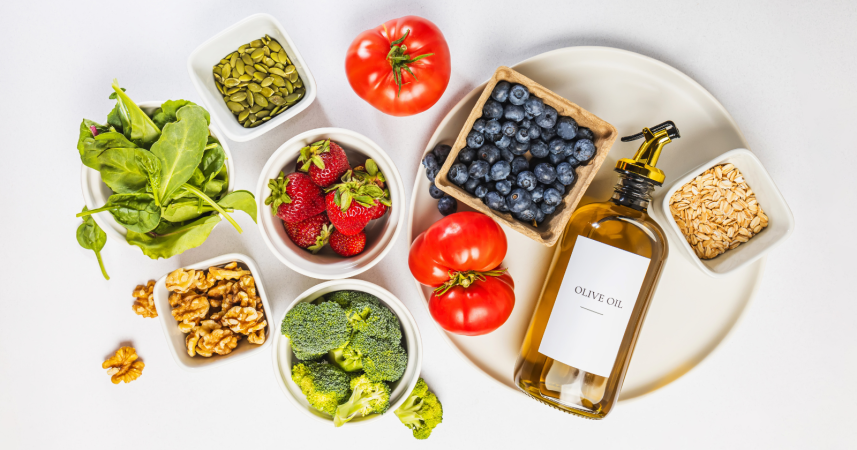
Small but mighty. Blueberries are loaded with anthocyanins, the antioxidants responsible for their deep color. These compounds don't just neutralize free radicals; they actively reduce the production of inflammatory molecules in your body.
What makes blueberries practical is their versatility. Throw them in smoothies, top your oatmeal, or just eat them by the handful. Frozen works just as well as fresh, which means you can keep them stocked year-round without worrying about spoilage. Consistency matters more than perfection here.
3. Leafy greens
Spinach, kale, Swiss chard, arugula. Pick your fighter. These greens are rich in vitamins, minerals, and phytonutrients that help regulate your body's inflammatory response. They're also high in fiber, which feeds the beneficial bacteria in your gut, and gut health is directly tied to systemic inflammation.
Don't overthink it. A handful of spinach in your morning smoothie, a simple massaged kale salad at lunch, some sautéed chard with dinner. The goal is volume and frequency. Eat more greens, more often. Your body will thank you in ways you can feel.
4. Walnuts
Most nuts are good for you, but walnuts stand out for their omega-3 content. Specifically, they're high in alpha-linolenic acid (ALA), a plant-based omega-3 that your body converts into the same anti-inflammatory compounds found in fatty fish.
A small handful daily is enough. Toss them into salads, blend them into pesto, or just keep a bag at your desk for snacking. They're calorie-dense, so you don't need many to get the benefits. Quality over quantity applies here.
5. Extra virgin olive oil
There's a reason the Mediterranean diet keeps winning. Extra virgin olive oil contains oleocanthal, a compound that works similarly to ibuprofen in reducing inflammation. It's also packed with polyphenols and healthy monounsaturated fats that support heart health.
Use it generously. Drizzle it on salads, finish soups with it, dip bread in it. Just don't cook it at super high temperatures, which can degrade some of those beneficial compounds. Save the high-heat cooking for avocado or coconut oil.
6. Ginger
Ginger has been used medicinally for thousands of years, and modern research confirms what traditional medicine already knew. The gingerols in fresh ginger have potent anti-inflammatory and antioxidant effects. Studies show it can help reduce muscle pain, ease nausea, and lower markers of inflammation.
Fresh ginger is best. Grate it into stir-fries, steep it in hot water for tea, or blend it into smoothies. It adds a bright, spicy kick that wakes up almost any dish. Keep a knob in your freezer; it grates easily straight from frozen.
7. Tomatoes
Tomatoes are one of the best sources of lycopene, an antioxidant that gives them their red color. Lycopene has been shown to reduce inflammation, particularly in relation to heart disease and certain cancers. Interestingly, cooking tomatoes actually increases lycopene availability.
So that homemade marinara sauce? It's doing more than just tasting good. Roasted tomatoes, tomato paste, even canned crushed tomatoes all count. Pair them with a little olive oil to boost absorption even further.
8. Berries beyond blueberries
Strawberries, raspberries, blackberries. They all bring their own mix of anthocyanins, vitamins, and fiber to the table. Research suggests that regular berry consumption can lower inflammatory markers like C-reactive protein.
Mix it up throughout the week. Different berries offer different phytonutrients, so variety works in your favor. Fresh in summer, frozen the rest of the year. Add them to breakfast, desserts, or just eat them as a snack. Simple wins.
9. Legumes
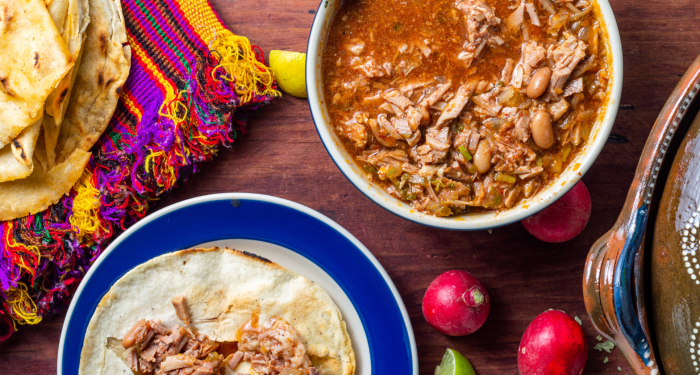
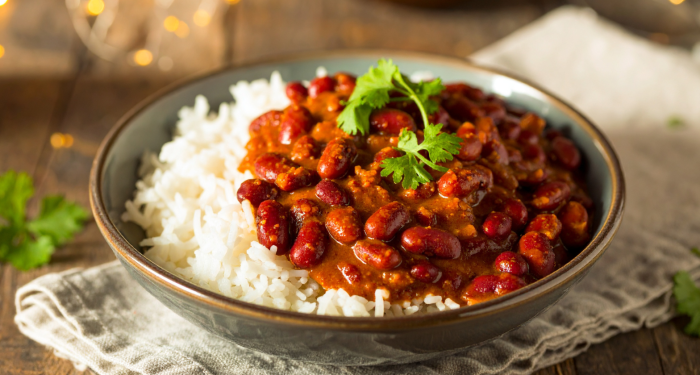
Beans, lentils, chickpeas. These humble staples are packed with fiber, protein, and polyphenols that help reduce inflammation. They also feed your gut microbiome, which plays a crucial role in regulating your immune response.
I spent years overlooking legumes because I thought they were boring. Then I learned to cook them properly, with good seasoning and aromatics, and everything changed. A well-made dal or a simple white bean stew can be just as satisfying as any meat dish. Give them the respect they deserve.
10. Dark chocolate
Yes, really. Dark chocolate with at least 70% cacao is rich in flavonoids, which have been shown to reduce inflammation and improve blood flow. It's not a free pass to eat an entire bar, but a square or two daily is genuinely good for you.
Look for quality over quantity. Cheap chocolate is loaded with sugar and offers minimal benefits. Invest in good dark chocolate, savor it slowly, and enjoy the fact that something this delicious is actually helping your body heal.
Final thoughts
Fighting inflammation isn't about one magic food or a week-long cleanse. It's about consistent, daily choices that add up over time.
The ten foods on this list aren't complicated or expensive. They're available at any grocery store, and most of them you probably already have in your kitchen.
Start small. Add one or two of these foods to your daily routine and build from there. Maybe it's a handful of walnuts with your morning coffee, or some extra spinach in your lunch.
Over weeks and months, these small additions create real change. Your joints feel better. Your energy stabilizes. That low-grade fatigue starts to lift. This is what eating well actually looks like: not dramatic, not restrictive, just smart choices made consistently.
If You Were a Healing Herb, Which Would You Be?
Each herb holds a unique kind of magic — soothing, awakening, grounding, or clarifying.
This 9-question quiz reveals the healing plant that mirrors your energy right now and what it says about your natural rhythm.
✨ Instant results. Deeply insightful.