Once you’ve practiced these ten dishes, you’ll have the foundation to handle almost anything, from a last-minute dinner date to a Sunday family meal.
Here’s the truth: being able to cook well isn’t about impressing guests or chasing perfection.
It’s about freedom.
When you can walk into your kitchen, grab a few ingredients, and turn them into something delicious without needing to Google every step, that’s when cooking starts to feel natural.
I spent most of my twenties in the luxury food world, working with chefs who could build flavors from instinct. But the best ones weren’t showing off. They were calm, confident, and deeply comfortable with the basics.
If you can master these ten dishes, you’ll never feel lost in a kitchen again.
1) Perfect scrambled eggs
Simple, yes. But you’d be surprised how many people still massacre a pan of eggs.
The key is patience.
Start with fresh eggs, a good pinch of salt, and a small knob of butter. Keep the heat low. Stir slowly with a spatula, taking the pan off the heat when the eggs are still slightly glossy.
They’ll keep cooking from the residual heat, so don’t wait for them to look done. Add a small splash of milk or cream if you like them softer.
Once you get this right, you’ll understand texture control, the difference between soft curds and rubbery disappointment.
If you can make great eggs, you already know more about cooking than most people.
2) A balanced vinaigrette
Every adult should know how to make a dressing without measuring spoons.
Here’s the ratio that never fails: three parts oil to one part acid.
The oil can be olive, avocado, or walnut. The acid can be vinegar, citrus juice, or both. Add a pinch of salt, a small spoon of mustard, and whisk.
That’s it.
Once you’ve nailed the balance, you can play. Add honey, garlic, herbs, or even miso.
A homemade vinaigrette will instantly elevate any salad, grain bowl, or roasted vegetable dish. It also teaches one of the most important principles in cooking: balance.
Acid, fat, salt, and a little heat if you like it. That’s flavor harmony in a nutshell.
3) A reliable pasta dish
If you can cook pasta confidently, you’re halfway to mastering comfort food.
You don’t need anything complicated.
Spaghetti aglio e olio, for instance, is perfection in its simplicity: olive oil, garlic, chili flakes, and parsley.
The secret is cooking your pasta just shy of done, then finishing it in the pan with the sauce and a little of that starchy pasta water. That’s how you get that silky, restaurant-style coating.
Learning this teaches timing, heat control, and the art of restraint.
Too much garlic? It’s ruined. Too little oil? It’s dry. But when it’s right, it’s unforgettable.
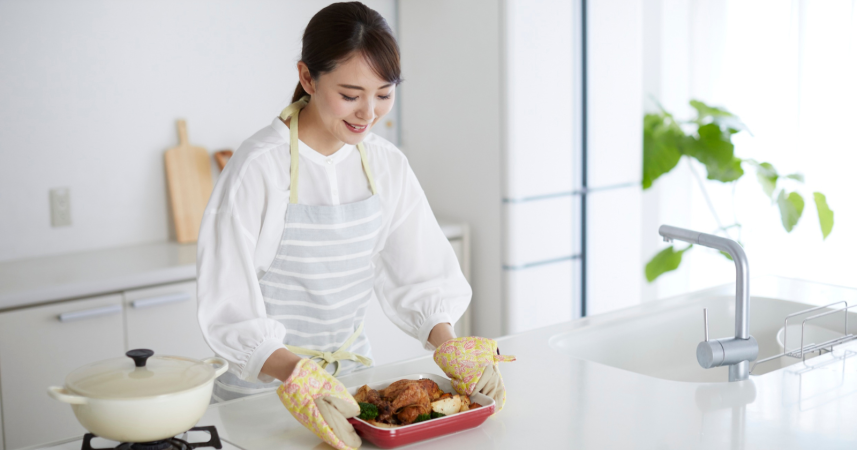
4) A roast chicken
Nothing says “I know my way around a kitchen” like pulling a perfectly golden roast chicken out of the oven.
It’s not just about looks. It’s about confidence.
You learn to trust your senses, the crisp sound of the skin, the aroma filling the kitchen, the clear juices when it’s done.
My favorite version is simple: rub the bird with olive oil, salt, pepper, garlic, and a squeeze of lemon. Roast it hot until the skin is crisp and the meat is tender.
You can dress it up with herbs or spices, but the core technique is timeless.
Once you can roast a chicken, you understand patience, temperature, and how to let ingredients speak for themselves.
5) A quick weeknight stir-fry
This one’s all about timing.
The wok, or a large skillet, should be hot enough that ingredients sizzle the second they hit the pan. You cook fast, layering texture and flavor.
Start with aromatics like garlic, ginger, or scallions. Add your protein, then vegetables. Sauce last.
The goal isn’t to drown it in liquid. The goal is to keep everything crisp and bright.
You’ll learn heat management, knife prep, and how to use your senses instead of a timer.
Once you master this, you can take whatever’s in your fridge and turn it into a healthy, balanced meal in ten minutes flat.
6) A simple soup from scratch
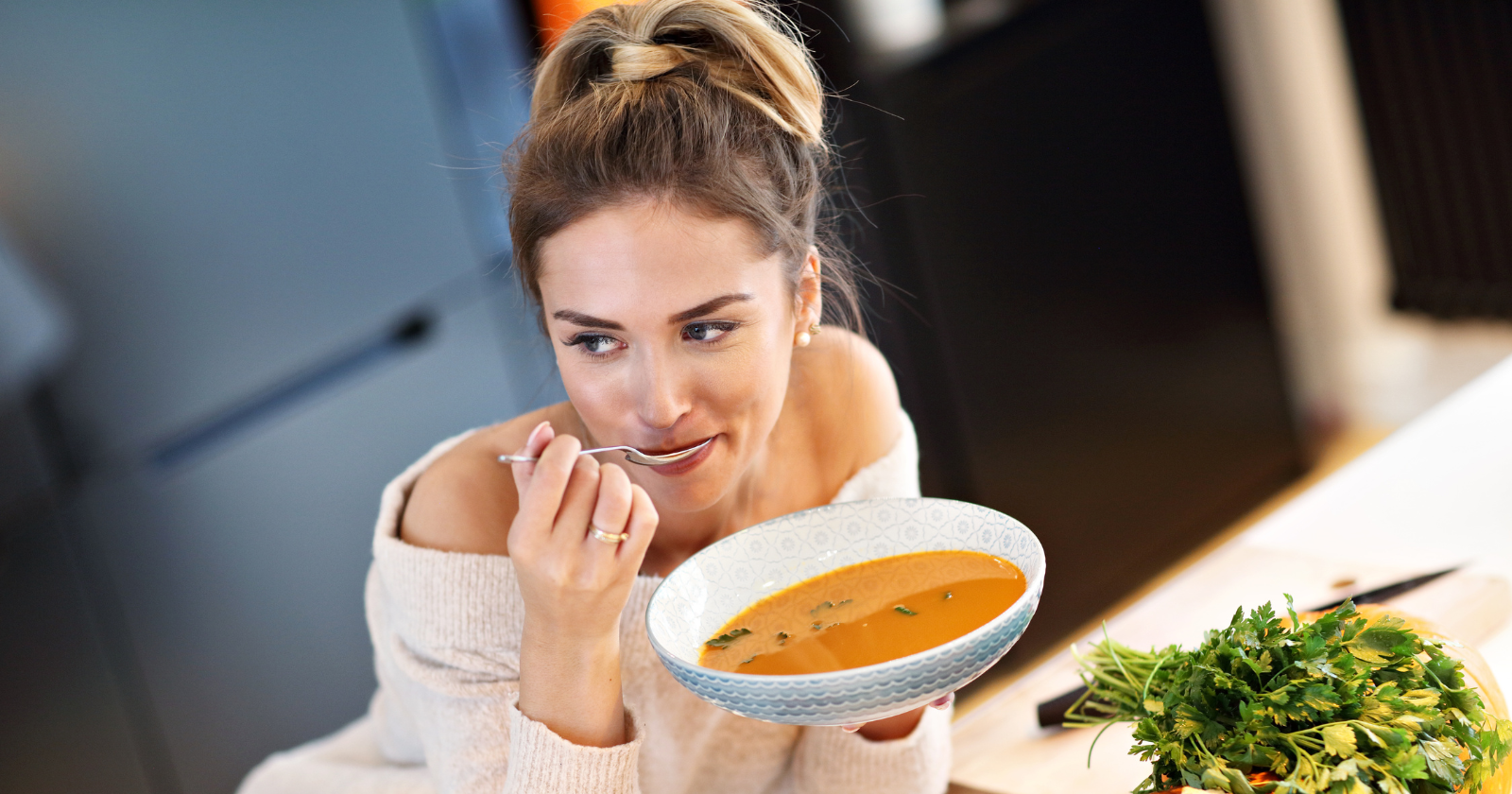
There’s something deeply satisfying about simmering a pot of soup without a recipe.
It’s part creativity, part instinct.
Start with aromatics like onions, garlic, celery, and carrots. Sweat them gently, then add liquid. Broth, water, coconut milk, or tomato base, depending on your mood.
Add your main ingredients: lentils, beans, vegetables, or meat. Season gradually. Taste as you go.
Soup is where you learn the rhythm of seasoning, how flavors develop over time, not just at the end.
The next time you’re tired or stressed, make soup from scratch. You’ll remember that cooking can be both grounding and generous.
7) A proper seared steak or fish fillet
This one’s about confidence with heat.
Cooking protein well is all about temperature and touch.
Start with a dry surface, because moisture is your enemy here. Get your pan smoking hot, add oil, then let the steak or fish rest untouched for a minute or two to build that crust.
Resist the urge to move it around. Let the heat do the work.
Flip once. Baste with butter if you’re feeling indulgent. Let it rest before cutting.
You’ll learn that cooking is about patience and restraint, not constant action.
Once you master this, you can cook restaurant-level dishes at home with nothing more than salt, oil, and timing.
8) A great risotto
Risotto teaches you presence.
You can’t multitask your way through it. You have to stay there, stirring, adjusting, tasting.
It starts with sautéed onions or shallots, then arborio rice toasted in olive oil until translucent. Add wine, let it evaporate, then ladle in hot stock one scoop at a time.
It’s done when the grains are tender but still have a little bite, and the texture flows like lava. Finish with butter and cheese if you eat dairy.
Risotto isn’t about a strict recipe. It’s about rhythm and attention.
It’s cooking as meditation.
9) A dish from your heritage
Cooking isn’t just skill. It’s identity.
Every adult should know at least one dish that connects them to where they come from, or where their family came from.
It could be your grandmother’s stew, your dad’s chili, or something you learned from a trip that changed how you saw food.
The point isn’t to copy it perfectly. The point is to preserve something meaningful through practice.
When you cook something that carries memory, you bring more of yourself into the kitchen. And that kind of cooking never goes out of style.
10) A dessert you can make by instinct
Finally, every capable cook needs one dessert they can make without breaking a sweat.
It doesn’t need to be fancy. Maybe it’s chocolate chip cookies, banana bread, or a simple fruit crumble.
The goal is to know it so well that you can whip it up for friends without needing to check ingredients.
It’s a reminder that cooking isn’t just about feeding yourself. It’s about sharing.
And knowing how to create something sweet from scratch is one of the purest joys in life.
Final thoughts
Cooking well isn’t about memorizing recipes. It’s about understanding food deeply enough that you can improvise with confidence.
Once you’ve practiced these ten dishes, you’ll have the foundation to handle almost anything, from a last-minute dinner date to a Sunday family meal.
The best cooks aren’t the ones who follow instructions perfectly. They’re the ones who listen to the ingredients, taste as they go, and stay curious.
That’s what real confidence in the kitchen looks like.
If You Were a Healing Herb, Which Would You Be?
Each herb holds a unique kind of magic — soothing, awakening, grounding, or clarifying.
This 9-question quiz reveals the healing plant that mirrors your energy right now and what it says about your natural rhythm.
✨ Instant results. Deeply insightful.