Some kitchens tell a story before anyone says a word.
Open the fridge (or the pantry) and you can pretty much guess the family’s budget, their go-to weeknight meals, and how often a parent said “we’ve got food at home.” If your childhood kitchen always had the ten staples below—on repeat, in bulk, and usually the store brand—there’s a good chance you grew up lower middle-class.
These aren’t “poverty meals.” They’re the quiet workhorses that kept everyone fed without wrecking the paycheck. And they shaped our tastes, our habits, and the way we still grocery shop today.
1. Store-brand sandwich bread
Not the fancy sourdough. Not the seeded artisan loaf. The soft, squared-off white or wheat in a plastic sleeve that compressed into a pancake if you gripped it wrong. It made everything: PB&J, bologna, toast, French toast on Sundays when the loaf was on its last legs.
We didn’t rack our brains about gluten or “crumb structure.” We looked for the yellow tag and the two-for-$3 deal. That bread taught you to fold a sandwich flat, cut it diagonally (because somehow it tasted better), and stash the end pieces for breadcrumbs or emergency toast.
2. Peanut butter (creamy, giant jar)
If there was a hierarchy in the fridge, peanut butter sat near the top—right next to the paycheck’s sanity. It was breakfast (on toast), lunch (with jelly), and protein in a pinch (apples + spoonful, done). The jar was always oversized, the label often generic, and the oil never separated because it wasn’t that kind of peanut butter.
On packed mornings before school, I used to make two PB&Js—one for lunch, one for after practice—because a double sandwich is cheaper than a snack run. To this day, I mentally price every “protein bar” against a PB&J and smile at the math.
3. Hot dogs or bologna
Say what you will, but those links and round slices were budget gold. They stretched into multiple meals: chopped into scrambled eggs, slipped into mac and cheese, seared in a pan with onions for a quick “steak night” we all knew wasn’t steak but didn’t care.
Weekends meant grilling if you were lucky, boiling if you weren’t, and always a stripe of mustard from the bottle that lived door-side year-round. No one used words like “processed.” We used words like “seconds.”
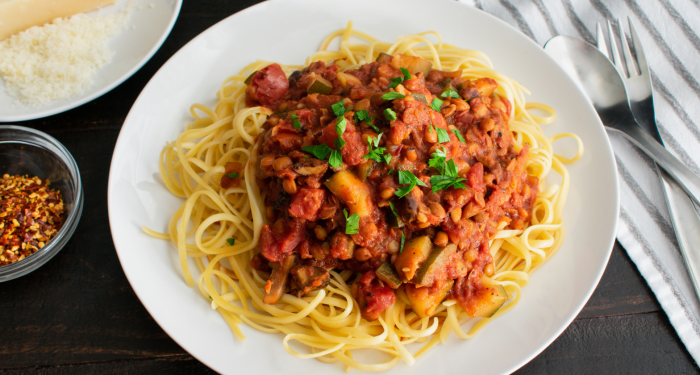
4. Pasta and jarred sauce
There was always a half-open box of spaghetti and at least one jar of marinara ready to bail out a weeknight. Some families dressed it up with a can of mushrooms or a splash of the cheap red wine someone brought to Thanksgiving and left behind (now it lived forever in the fridge door).
Pasta night was a system: water on first, set the table while it boils, sauce warms low, sprinkle the green can of “parmesan” (quotation marks intentional), done. We didn’t call it meal prep; we called it Tuesday.
5. Rice and a big bag of beans
The economy engine. White rice in a tub with a measuring cup inside; a big bag of pintos, black beans, or lentils in the cupboard. Together they could become three different cuisines depending on spices you had: cumin and chili powder? Tex-Mex. Garlic and bay leaves? A nod to the Caribbean. Onion and a bouillon cube? Weeknight survival that still smelled like comfort.
My friend Luis’s mom taught me the “stretch trick”—reserve a ladle of starchy bean liquid to loosen leftover rice the next day. It felt like magic, tasted even better, and cost nothing. That’s the currency of a lower middle-class kitchen: smart, small moves that add up.
6. Canned tuna
The emergency line. It lived quietly behind the pickles and the ketchup until the fridge looked bare, then leapt into action: tuna salad with too much relish, tuna melts under a broiler, tuna + elbow macaroni + frozen peas with a breadcrumb top if someone felt fancy.
We didn’t debate mercury levels at the table. We debated the proper ratio of mayo to crunch, and whether a sliced tomato on the side was “restaurant plating.” Tuna meant we’d be fine until payday.
7. Frozen mixed vegetables
Not baby carrots carved by angels. Not heirloom anything. The big bag with peas, corn, carrots, green beans—the rainbow shards you could shovel into any pot. They went into soups, stirred into rice, bulked up a pasta, or did their duty as the “vegetable” with a dab of margarine and salt.
They were portion control without a scale: “one big scoop for the pot, one for the plate.” And they kept forever, which mattered when surprises hit the budget and fresh produce didn’t make the cut.
8. Margarine (not butter)
You can still hear the plastic lid pop. Margarine spread across toast, slicked a pan, glossed vegetables, and nailed the price point butter couldn’t touch in the ‘90s or the 2000s. Some households had both—“company butter” and “everyday margarine”—but in a lot of kitchens the tub was king.
There’s a muscle memory to scraping the corners for one last tablespoon before payday. It taught thrift, patience, and the quiet art of making do.
9. Powdered drink mix or concentrate
Kool-Aid packets. Country Time. Tang for the astronaut era households. A pitcher in the fridge meant “we’re set” even if the milk jug was light. Sometimes you mixed it stronger when cousins came over, because hosting felt more generous if the color was neon.
We didn’t talk about sugar grams on the label. We talked about “don’t drink it all in one day,” and everyone knew that rule was more about stretching dollars than cavities.
10. Eggs (big value pack)
When in doubt: eggs. Breakfast, obviously. But also dinner with toast, emergency protein in fried rice, comfort in the form of a cheap omelet stuffed with the last of the shredded cheese. If your family bought the big 18-count or even the warehouse 60-pack, you got used to cracking eggs without ceremony and spinning meals out of thin air.
My mom had a “five-egg rule” for the end of the week—save at least five for the weekend so nobody woke up to an empty carton. That’s a lower middle-class superpower: planning just enough to dodge disappointment, even when the plan is simple as five eggs.
Why these staples mattered (and still do)
-
Predictability. You always had five “backup meals” you could make on autopilot. That reduced stress even when money was tight.
-
Stretchability. Most of these pair well—eggs + rice, pasta + mixed veg, tuna + anything—so you could feed extra mouths without a second store run.
-
Shelf life. Frozen veg, dried beans, pasta, powdered mix: they waited patiently. That’s huge when paychecks and schedules fluctuate.
-
Kid autonomy. PB&J, powdered drinks, and toast taught kids to feed themselves without a parent hovering. That independence was half necessity, half life skill.
The small rituals that came with the food
-
The “last slice” diplomacy. Who gets it? The fastest fork or the most convincing argument? Families built their own rules—and conflict-resolution skills—over plain bread and shared pasta bowls.
-
The door-shelf archaeology. Relish from a picnic three months ago? Half a jar of pickles your uncle left? Fridge doors in lower middle-class homes were museums of “still good,” and we learned judgment calls early.
-
The price-per-unit game. You may not have known the term, but you knew the vibe: do the math, compare the sizes, choose the reliable cheap, not the flashy new. That habit sticks even when your paycheck grows.
What it taught us about value (and values)
Lower middle-class kitchens rarely had room for waste or show. They taught a different metric of “good”:
-
Good equals enough. Enough protein, enough plates, enough left for tomorrow.
-
Good equals together. A tuna melt shared at the counter often beat takeout eaten in separate rooms.
-
Good equals repeatable. The best meals weren’t rare. They were the ones you could make on a school night without drama.
How those habits still shape us now
If you grew up this way, you probably still:
-
Scan unit prices without thinking.
-
Keep a “just in case” bag of frozen veg.
-
Feel oddly calm with a full egg carton.
-
Default to pasta night when life piles up.
-
Reach for a big jar (peanut butter, rice, oats) because bulk feels like security.
You also might carry some baggage—like feeling guilty buying butter when margarine is cheaper, or thinking a meal isn’t “real” unless it could feed six. It’s okay to update the menu without betraying your roots.
Swap in whole-grain bread, try a cheaper block of real cheese instead of “cheese product,” add fresh produce when the budget allows. Keep the spirit—stretch, share, save—while nudging the ingredients forward.
Bottom line:
If your childhood kitchen always had store-brand bread, a huge jar of peanut butter, hot dogs or bologna, pasta with jarred sauce, rice and beans, canned tuna, a bag of frozen mixed vegetables, a tub of margarine, powdered drink mix, and a big carton of eggs—welcome to the club. You probably grew up lower middle-class.
You learned how to stretch, how to share, and how to turn “we’ve got food at home” into something warm and real. That’s not just a memory. It’s a skill set. And it still feeds you—budget, body, and the kind of pride that comes from making enough feel like plenty. Which staple on this list still lives in your fridge today?
If You Were a Healing Herb, Which Would You Be?
Each herb holds a unique kind of magic — soothing, awakening, grounding, or clarifying.
This 9-question quiz reveals the healing plant that mirrors your energy right now and what it says about your natural rhythm.
✨ Instant results. Deeply insightful.