Some desserts come plated with a flourish.
The 1960s came plated with a wobble, a dollop, and a whole lot of Cool Whip.
If you grew up in that era—or had parents who did—you know dessert wasn’t just a sweet ending.
It was a social event, a neighborhood currency, and sometimes a cold, jiggly science experiment living in your fridge next to the margarine.
The flavors were big, the colors were louder, and presentation often required a tube pan, a bundt pan, or a glass trifle bowl that doubled as living-room art.
I wasn’t around then, but I grew up hearing the stories and inheriting the rituals. And when I started asking older friends and relatives what dessert tasted like in the ’60s, seven classics kept popping up with a grin.
Consider this a sugar-dusted time capsule—less about Michelin technique, more about memory and the kind of kitchen magic that turned pantry staples into family legend.
1) The Jell-O mold that wobbled through every holiday
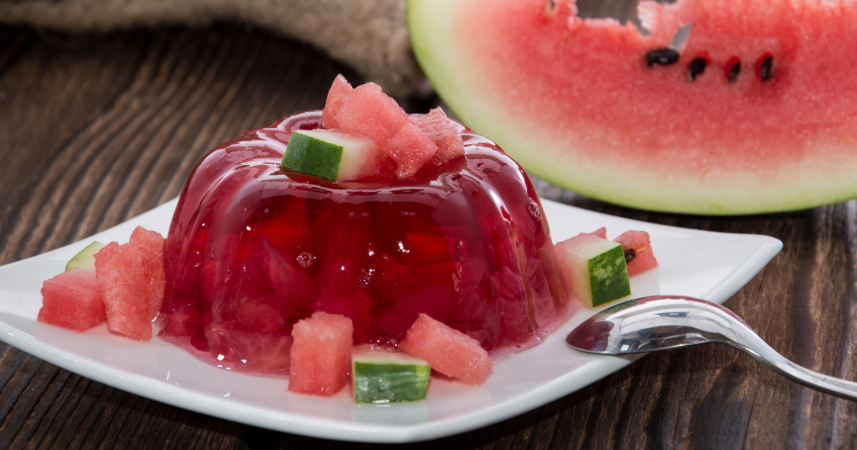
Let’s start with the undisputed anchor of mid-century dessert tables: the gelatin mold. Lime, cherry, orange—layered, marbled, studded with fruit cocktail like little stained-glass windows.
If your family went big, there were suspended mandarin slices or haloed maraschino cherries. If they went really big, sour cream or Dream Whip made it “creamy,” and the whole thing emerged from a fluted ring pan with the drama of a Vegas act.
Why it still lives in people’s heads: the ceremony. The unmolding involved warm water, faith, and a quiet prayer as everyone leaned in. The first wobble was the applause moment. And love it or side-eye it, a Jell-O ring announced: “We brought dessert—and a centerpiece.”
One aunt told me her crowd made “rainbow Jell-O” over two days—thin layers poured and chilled in sequence like edible vinyl. It wasn’t just tasty (in the sugary, artificial way that hit the exact right note after pot roast).
It was collaborative. You needed patience, fridge real estate, and a sibling on mold patrol.
2) Pineapple upside-down cake that tasted like vacation
Brown sugar caramel, canned pineapple rings, and a cherry in every bullseye—this cake was the poster child for 1960s optimism.
The look was neon postcard, the flavor pure comfort: buttery crumb meeting sticky fruit syrup in a pan that every kitchen owned.
It showed up at church basement potlucks, PTA bake sales, and backyard cookouts, where its superpower was surviving a car ride and still slicing beautifully. Kids learned geometry counting the rings. Grownups claimed “just a sliver” and then did that thing where you “even out the edge.”
The best ones had caramel that crawled a little up the sides and soaked into the first inch of cake like a secret. If you’re hearing vinyl crackle and the clink of ice in a glass, that’s because this dessert came with a soundtrack: Motown in the next room and the neighbor’s screen door slamming in time.
3) Banana pudding layered like a dream (with vanilla wafer fossils)
No dessert is more ’60s-kid than the glass dish of banana pudding with Nilla Wafer layers and soft banana coins tucked in like buried treasure.
Some families went stovetop custard with peaks of meringue kissed under the broiler.
Others embraced the brand-new convenience revolution and used instant pudding and Cool Whip. Either way, you assembled it like a sandcastle: cookie, pudding, banana, repeat.
Why it sticks (pun fully intended): time. The overnight rest turned cookies to cake and melded the whole thing into one forkable cloud. Every scoop showed off those layers—yellow, tan, cream—like you’d cut through sedimentary sweetness. If your grandma used a clear Pyrex, the side view was half the fun.
Personal memory: my friend’s grandmother in Ohio insisted on placing the wafers upright around the edge “so the children will see the promise.” I didn’t totally understand that sentence, but I’ve never forgotten it—or the way the cookies softened just enough to taste like a hug.
4) Neapolitan ice cream bricks that sliced like Sunday best
Before pints needed backstories and artisan mix-ins, the freezer held a rectangle that did it all: strawberry, vanilla, chocolate—three tidy stripes you could slice with a knife and serve on paper plates. Neapolitan was the diplomatic dessert: everyone got their favorite without a fight, and if you liked the edge where flavors met, you took the end piece and felt like you’d gamed the system.
Kids learned fairness with Neapolitan. Dads turned into engineers shimming the scoop under all three flavors in one heroic pass. And there was always that uncle who swore strawberry was the superior tier, which was a wild take and somehow charming because he said it every single time.
Add a drizzle of chocolate syrup (from a can you had to stab with a triangle opener) and a maraschino cherry, and you had company-worthy dessert in 30 seconds flat. The only drama: defending the last slice from quiet kitchen pickers.
5) Bundt and box-mix cakes crowned with canned frosting
The 1960s were the golden hour of boxed cake mixes, and families leaned all the way in. Duncan Hines and Betty Crocker made “from scratch” optional, while the Bundt pan turned even a simple yellow cake into sculpture. Tunnel of Fudge (Bake-Off royalty) became a suburban legend. Lemon glaze dripped like sunshine. Chocolate swirl did a magic trick when you cut it.
Canned frosting arrived like a miracle—spreadable, shelf-stable, sweet enough to moonlight as spackle. Birthdays meant rainbow sprinkles. Weeknights meant a tidy slice wrapped in wax paper for the next day’s lunchbox.
The point wasn’t patisserie technique. It was reliability. One bowl, one pan, one family huddled around the kitchen table, someone licking the beaters (pre-safety seminar), someone else peering through the oven door light as if a cake could answer cosmic questions.
6) Ambrosia and “fluff” salads that weren’t salads at all
Ambrosia. Five-cup salad. Watergate salad. Call it what you will—this was the 1960s at their sweetest, softest, most spoonable.
A cloud of whipped topping folded with mini marshmallows, canned fruit (pineapple tidbits, mandarin oranges), coconut flakes, and sometimes pistachio pudding mix that turned everything the color of a mint kitchen.
Here’s the thing: people didn’t whisper that it wasn’t salad. They celebrated it. Aunts brought it in cut-glass bowls; kids hovered until someone said “go ahead,” then took mountain-range scoops until a parent issued a controlled-tone “save some for others, please.”
Ambrosia lived in that cozy space between dessert and side dish—perfect next to ham, miraculous next to nothing. It was the palate cleanser of potlucks and the official sponsor of “can I have just one more spoonful?” after the plates were cleared.
7) Root beer floats and soda-fountain sundaes that made summer official
If you’re hearing the hiss of a bottle cap and the soft thud of a scoop dropping into a tall glass, welcome back to the simplest dessert on earth: a float. Root beer or cola, a generous mound of vanilla ice cream, foam rising like a science fair you could drink.
At home, it meant sticky fingers on the porch steps and a stern reminder not to pour too fast. At the drugstore counter, it meant twirling on a chrome stool while the server called you “kiddo.”
Cousins of the float—banana splits and hot-fudge sundaes—were the 1960s at full tilt: a banana slung like a hammock, three scoops, chocolate and strawberry sauce, canned whipped cream squiggled high, chopped peanuts, and the obligatory cherry. If your family did “Sundae Night” after church, you remember the line of toppings in cereal bowls and the quiet joy of building your masterpiece as if it could win prizes.
Two things tie these treats to memory: time and temperature. You had to eat them fast, but not too fast, and the sweet ice-cream headache was a badge of honor you pretended not to have while your cousin laughed at your squint.
Why these desserts still hit (even if your palate grew up)
They were shareable. Everything was meant for a crowd—family, neighbors, whoever happened to be in the yard when the screen door banged. They were visible—clear bowls, rings with cherries, glazes that caught the light—dessert as centerpiece and conversation starter. And they were doable—box mixes, canned fruit, freezer staples—so dessert didn’t require a special trip or a trust fund. It required a bowl, a spoon, and someone willing to stir.
Even if you now cook lighter or skip the dairy (hi, that’s me), the architecture still warms the room: layers, a little drama, something cold next to something warm, a dessert that looks back at you from the table and says “there’s enough.”
If you want to revisit the vibe (without a time machine)
-
Do it family-style. Use a glass bowl or a ring mold for the show.
-
Keep the ceremony. Unmold at the table. Slice Neapolitan in view. Crown a sundae and pass it like a trophy.
-
Invite everyone to build. Self-serve floats, “decorate your square” sheet cake, banana-split bar with ridiculous toppings.
-
Tell the origin story. “Your great-grandpa loved the end piece,” “Aunt Joan always stole the cherries,” “We learned patience waiting for this to set.” Memory is the secret ingredient.
The bottom line
Seven desserts from the 1960s still live rent-free in a lot of hearts because they weren’t just sweets—they were rituals: the quivering Jell-O crown, the glossy bullseyes of pineapple upside-down cake, the soft strata of banana pudding with cookie fossils, the perfect slice of Neapolitan, the bundt or box-mix cake with a proud canned-frosting swirl, the pastel cloud of ambrosia “salad,” and the fizzing joy of a root-beer float.
They’re easy to smile at now, easier to love if you remember the context: busy parents, growing families, a culture obsessed with modern convenience and cheerful abundance.
Every pantry held a shortcut. Every shortcut had a story. And somehow, those stories taste better every year.
What’s Your Plant-Powered Archetype?
Ever wonder what your everyday habits say about your deeper purpose—and how they ripple out to impact the planet?
This 90-second quiz reveals the plant-powered role you’re here to play, and the tiny shift that makes it even more powerful.
12 fun questions. Instant results. Surprisingly accurate.