You don’t need more willpower.
You need fewer traps.
Most people don’t “fail” healthy eating at the dinner table; they fail in the grocery aisle, the calendar, and the late-night screen scroll that steals sleep and sets up tomorrow’s cravings. If you want real change, stop relying on grit and start removing the habits that make healthy choices harder than they need to be.
Here are ten habits to retire—and what to do instead—so eating well becomes the easy lane, not the uphill sprint.
1. Shopping hungry and without a list
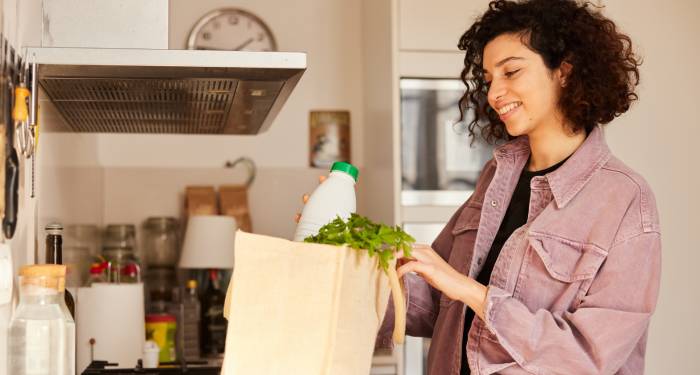
If you walk into a store with a growling stomach and vibes-only plan, you’re letting your future self bargain with a wall of neon packaging. That’s not a fair fight. Hunger buys now and regrets later. A vague plan buys three sauces and no actual dinner.
Trade it for: a five-minute list and a snack before you go. Keep a standing “default dozen” on your phone: two fruits, two veg, one leafy green, one whole grain, one bean or lentil, tofu/tempeh or your preferred protein, a nut/seed, olive oil, two flavor bombs (herbs, spice blend, salsa). Lists shrink decisions. Fed you shops for future you.
2. Keeping trigger foods within arm’s reach
“Out of sight, out of mind” isn’t just a cute saying—it’s how attention works. If the candy bowl lives on the counter or chips sit at eye level, you’ll “decide” to eat them ten times a day. That’s not a character flaw; that’s proximity at work.
Trade it for: environment design. Fruit and cut veg at eye level. Nuts, seeds, and whole-grain crackers in the front. Treats live high, low, or in opaque containers. I’m not saying never buy them. I’m saying force one extra step. Every step is a tiny speed bump; speed bumps save you from “oops.”
3. Eating straight from the box, bag, or carton
Portion blindness is real. A few “just a handfuls” turn into the bag missing in action. Ice cream scooped with a spoon from the tub does not count as a serving; it counts as guessing.
Trade it for: pre-portioning once, not deciding ten times. Pour chips into a bowl. Decant nuts into snack bags. Make a single-serve trail mix jar. With ice cream, scoop into a small bowl and put the container back before you sit. If that feels annoying, great—you’ll do it less often.
Years back, I was going heavy on “just a few almonds” while editing photos. “Just a few” turned into “why is this bag empty?” I started pre-portioning a week’s worth in ¼-cup containers.
Same food, different outcome. The snack stopped being a fog and started being a choice.
4. Skipping meals and expecting discipline later
“Saving calories” at breakfast often buys a vending machine romance at 3 p.m. or a raid-the-fridge special at 10 p.m. Your brain, underslept and underfed, doesn’t crave baby carrots. It craves quick dopamine: sugar, salt, and fat.
Trade it for: anchor meals. Aim for a simple template two or three times a day: fiber + protein + color. Examples: oatmeal with berries and chia; lentil soup with whole-grain toast; tofu scramble with peppers and spinach; hummus, cucumbers, olives, and whole-grain pita. Anchors steady the rest of the day.
5. Letting your phone eat first
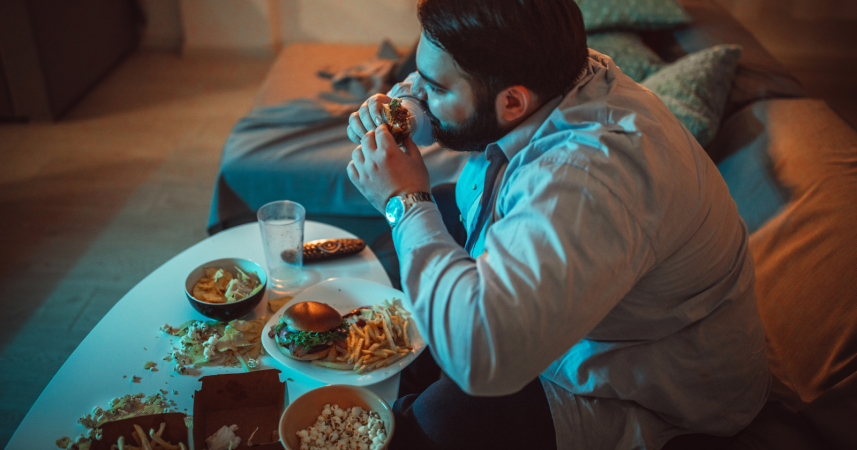
If you always eat with a screen, you’re outsourcing satiety. Distracted brains miss “I’m full” signals and chase the next bite because the show is the main course. Research finds that distracted or low-awareness eating can increase immediate intake and also lead to greater intake later in the day because meal memory is weaker.
Trade it for: the one-plate, no-phone rule for the first ten minutes. After that, do what you want. Most people discover the meal tastes better, they eat slower, and they don’t need act three to feel done. Also: plate food. Even snacks. Bowls are tiny contracts with your future self.
6. All-or-nothing rules (that always break on Friday)
“I’m never eating bread again.” “No sugar, ever.” “Perfect salads or a pizza crater.” Extremes feel righteous on Monday morning and brittle by Friday night. When (not if) life hits, you “break the rule,” feel bad, and then go harder in the opposite direction.
Trade it for: bright-line defaults with mercy built in. “Half my plate is plants.” “Dessert on weekends, and if a weekday billows, I have one, enjoy it, and move on.” “I eat bread—usually whole-grain.” Defaults keep you oriented; flexibility keeps you human.
7. Treating sleep like a negotiable
The hungrier, crankier, and more impulsive version of you isn’t a mystery; it’s the you who slept five hours. Sleep loss is linked to changes in appetite hormones—less leptin, more ghrelin—and higher reported hunger, which nudges you toward quick-energy foods the next day.
Trade it for: a boring wind-down ritual. Phone out of bedroom. Lights down 45 minutes before bed. Same time most nights. If you can’t fall asleep, read paper pages. I’ve mentioned this before, but mornings feel easier when nights aren’t chaos. Healthy eating starts with a bedtime.
8. “Healthy” by vibes, not by calendar
You decide to “eat better,” then let a busy week erase the intention. Without literal time on the calendar—shop, prep, cook—you’re expecting future you to conjure dinner out of thin air with willpower you won’t have at 7 p.m.
Trade it for: two calendar blocks: Shop Sunday (or your day off) and Chop Once. Roast a tray of veg, cook a pot of grains, make a protein (beans, tofu, tempeh, grilled chicken if that’s your lane), whisk a quick sauce. Now you can assembly-line meals in ten minutes: grain + veg + protein + sauce = dinner. Systems beat motivation.
9. Confusing thirst, stress, and boredom for hunger
Half of “I’m hungry” is “I’m dehydrated,” “I’m wired,” or “I’m avoiding a task.” Food is a very effective way to postpone a hard email.
Trade it for: the 3-step pause before snacks: water, walk, wait five minutes. If you still want the snack, eat it on a plate and enjoy it. If the urge fades, you just needed a reset. Also: keep a water bottle within reach and aim to finish it by lunch and again by dinner. The best “diet hack” is hydration plus honesty.
10. Outsourcing flavor to ultra-processed foods
When most of your meals come from boxes designed to hit bliss points, whole foods taste… quiet. That’s not your taste buds failing; it’s sensory overload.
A controlled inpatient trial found that when adults ate ultra-processed diets ad libitum for two weeks, they consumed more calories and gained weight compared to when the same people ate unprocessed diets matched for macros, sugar, fat, sodium, and fiber.
Trade it for: real flavor on real food. Acid (lemon, vinegar), heat (chili flakes), fat (olive oil, tahini), salt (used early, not late), herbs (fresh if possible). Learn two sauces you love—say, a five-minute tahini lemon and a salsa verde—and you can make plants craveable on repeat. You’re not punishing yourself; you’re upgrading.
A quick, humane plan to make this stick
Pick three habits to retire, not ten.
Circle the ones that hit hardest. For most people: shopping hungry, eating from packages, and phone-at-meals. Wins compound faster than ambition.
Write “if–then” scripts you can actually follow.
-
If I’m walking into the store, then I eat a banana and open my list.
-
If I put food on the counter, then it goes on a plate.
-
If I sit down to eat, then my phone stays out of reach for ten minutes.
Make your kitchen cooperate.
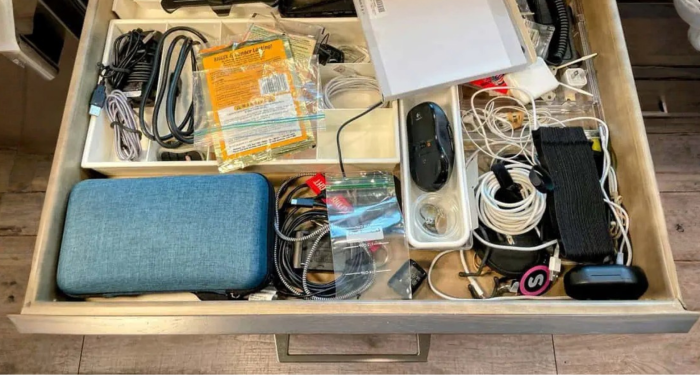
Sharp knife. Big sheet pan. Lidded containers. A spice blend you love. A fruit bowl that actually gets used. If cooking feels like combat, you won’t do it.
Default dinners.
Create three go-to meals that take ten minutes and zero thought. Examples:
-
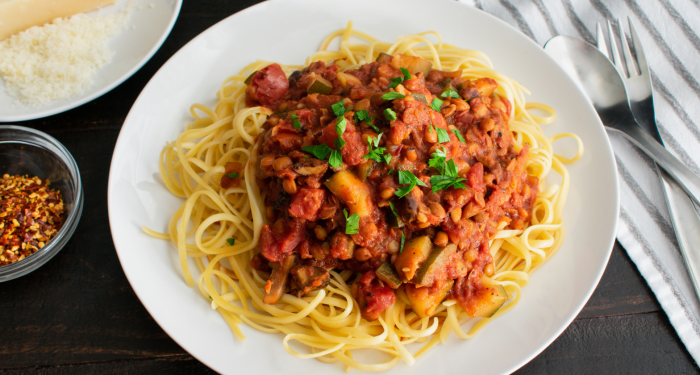
Warm bowl: brown rice, roasted veg, chickpeas, tahini-lemon drizzle.
-
Taco night: black beans, sautéed peppers/onions, avocado, salsa, tortillas.
-
Big salad + toast: leafy greens, lentils, chopped veg, nuts/seeds, balsamic, whole-grain toast.
When you’re spent, defaults keep you pointed in the right direction.
Treat eating well like charging your phone.
You don’t debate charging. You just plug in. Food is the same. Put lunch on your calendar. Protect dinner from the 6–7 p.m. meeting that always runs long. Future you is a real person; set that person up.
Build a tiny celebration habit.
Healthy eating isn’t punishment; it’s a gift to tomorrow. After a week of new defaults, mark it. Text a friend, take a photo of your best bowl, or make tea and say “I kept a promise.” Small wins keep the engine running.
Two brief stories to bring this home
The late-night grazer.
A friend swore willpower was his issue. “Every night I swear I’ll be good. Every night I end up in the pantry.” We did an audit. He slept five hours, scrolled in bed, skipped breakfast, ate a random lunch, and hit the gym hard at six.
Of course the pantry won at ten. We changed three things: actual dinner with fiber/protein/color, phone out of bedroom, a bowl rule (no eating from packages). He didn’t become a monk. He just stopped making 10 p.m. a decision. Two weeks later: “I’m not even hungry at night.” Translation: systems replaced self-blame.
The “healthy-ish” snacker.
Another friend lived on “just a little” of everything all day—granola here, energy bites there, almond butter by the spoon. She wasn’t overeating; she was never satisfied.
We added one real lunch (big salad + beans + toast), pre-portioned the snacks, and put her phone in a drawer during meals. Hunger stopped feeling like static. Attention came back. The fix wasn’t fewer calories; it was fewer interruptions.
Bottom line
Willpower is a terrible business model.
Design beats discipline.
If you retire the habits that keep tripping you—shopping hungry, keeping triggers in reach, eating from packages, screen-grazing, skipping sleep—healthy eating stops being a fight and starts being the default.
Pick three habits to say goodbye to this week.
Write your if–then scripts.
Set one shop block and one chop block on your calendar.
Seven days from now, your kitchen will feel different.
Four weeks from now, your cravings will feel different.
And six months from now, you’ll wonder why you ever tried to white-knuckle your way through dinner.
What’s Your Plant-Powered Archetype?
Ever wonder what your everyday habits say about your deeper purpose—and how they ripple out to impact the planet?
This 90-second quiz reveals the plant-powered role you’re here to play, and the tiny shift that makes it even more powerful.
12 fun questions. Instant results. Surprisingly accurate.