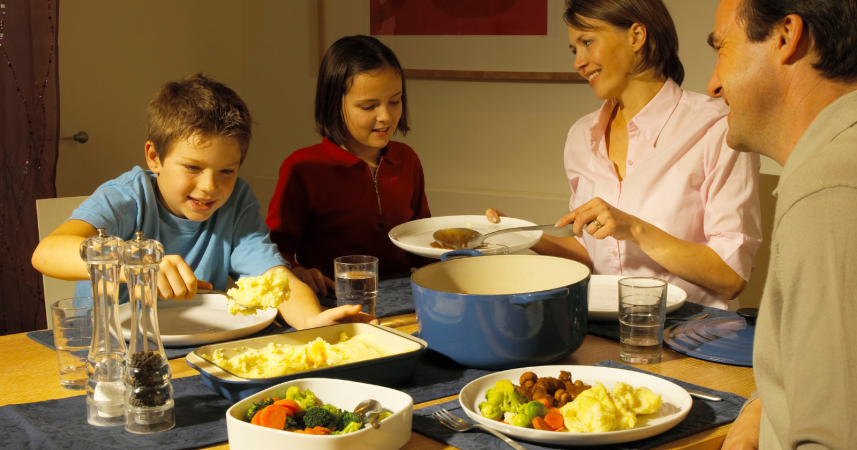
The 1960s dinner rotation—spaghetti, casseroles, chili, and sheet-pan standbys—proved that thrift, routine, and a hot oven can feed a family and a neighborhood

Add VegOut to your Google News feed. 
The 1960s dinner table was part budget spreadsheet, part magic show.
Groceries were tight, schedules were packed, and almost every family I’ve talked to had a reliable loop of meals that could stretch a dollar, survive a picky kid, and produce leftovers that got even better by Tuesday.
I’m vegan, so I’ll throw in some plant-forward riffs where it helps, but I’ll keep the spirit: comforting, practical, and friendly to a crowded table.
Here are ten budget-friendly dinners almost every 1960s family had on rotation—and what they quietly taught us about feeding people well with what you’ve got.
1. Spaghetti night (jar or can, no judgment)
The weeknight hero. Dried pasta, a jar or can of red sauce, maybe ground beef if payday had just happened, and always a shake of the green can cheese. Garlic bread came from whatever loaf was around, sliced, buttered, and broiled within an inch of its life.
Why it worked: cheap, filling, endlessly customizable. Sauce stretched with a splash of water or a can of tomatoes; noodles doubled as lunch the next day.
How I riff now: olive oil, garlic, a pinch of chili flakes, canned tomatoes, and a fistful of torn basil. If there’s a limp carrot in the crisper, it’s getting grated in. For a plant protein bump, I’ll add lentils or crumble in pan-fried tofu with Italian herbs. Still dinner in 20.
My grandmother once stirred a spoonful of peanut butter into the sauce “for body” when we’d run out of olive oil.
I made a face. It tasted great. The 1960s kitchen was jazz: you played the notes you had.
2. Tuna noodle casserole (the bake that fed a block)
Equal parts alchemy and convenience: egg noodles, canned tuna, cream of mushroom soup, frozen peas, and a crunchy crown of potato chips or fried onions.
Into the oven it went, out came something creamy, cozy, and enough to feed a cousin who “just happened to drop by.”
Why it worked: pantry ingredients, low effort, high yield. Leftovers packed easily for lunch and reheated without drama.
How I riff now: chickpeas or white beans instead of tuna, a quick dairy-free béchamel (oat milk, flour, vegan butter), mushrooms browned hard, peas for sweetness, lemon zest to wake it up. Top with crushed crackers and parsley. Same hug, newer inputs.
3. Meatloaf with ketchup glaze (the diplomat of dinners)
A pound of ground meat stretched with breadcrumbs, oats, or soaked bread, maybe grated onion or carrot for “vegetable,” then a sweet-tangy ketchup glaze. This showed up when you needed guaranteed cooperation at the table. It made great sandwiches the next day.
Why it worked: one pound became a pan, no specialty skills required, and the glaze covered a multitude of frugal add-ins.
How I riff now: lentil-walnut “loaf” with oats and sautéed onions, brushed with a ketchup-mustard-brown sugar mix. Bake until edges caramelize. Serve with mashed potatoes and green beans like someone’s going to grade you.
4. Chili night (beans, beef, and a lot of opinions)
Chili was less a recipe, more a worldview. Some families swore off beans; most packed them in. A couple cans of tomatoes, onion, chili powder, maybe bell pepper, and the pot did the hard work while homework got finished.
Why it worked: dirt-cheap per bowl, welcoming to whatever you had (corn? sure. extra beans? toss them in), and improved on day two.
How I riff now: all-bean or bean-and-bulgar chili with smoky paprika, cumin, and cocoa powder. Top with scallions and crushed saltines like a 1960s dad watching the game in glorious black-and-white.
5. Pot roast or Sunday stew (cook once, eat thrice)
Sunday was the “big pot” day: a tough cut of meat braised with onions, carrots, and potatoes, sometimes aided by a seasoning packet whose salt content could lift a truck. Monday meant sandwiches; Tuesday, the drippings became gravy over noodles or rice.
Why it worked: cheap cuts transformed by time, easy to forget in the oven while you did everything else, and a leftovers goldmine.
How I riff now: mushroom-lentil stew with carrots, potatoes, thyme, bay leaf, and a splash of soy sauce for depth, finished with a hit of balsamic. It tastes like a hug that knows your middle name.
My mom called this “heat in the walls.” You’d walk in from the cold and the whole house smelled like someone loved you. Not a bad KPI for dinner.
6. Shake-and-bake chicken (coat, bake, exhale)
A genius envelope, a plastic bag, drumsticks, and a sheet pan. Vegetables—carrots, onions, potatoes—roasted alongside, plus maybe a salad from a mix if things were fancy. Dinner made itself while parents paid bills at the kitchen table.
Why it worked: crispy, salty, low-labor, kids loved it, and the oven did the parenting for 35 minutes.
How I riff now: “shake-and-bake” tofu or cauliflower. Toss in seasoned breadcrumbs (paprika, garlic powder, onion powder), drizzle with oil, roast hot, finish with lemon. All the shake, none of the squawk.
7. Breakfast for dinner (pancakes, eggs, and mercy)
When the week went sideways, the griddle came out. Pancakes with syrup, scrambled eggs, maybe bacon if the budget allowed, orange slices that tasted like Saturday. It felt like breaking a rule, which is a currency with children.
Why it worked: cheap staples, quick, universally adored. Cleanup was minimal and the kitchen smelled like joy.
How I riff now: banana oat pancakes and a tofu scramble with turmeric, black salt, and peppers. Maple still flows like it’s a long weekend.
8. Fish sticks and oven fries (plus peas if you were lucky)
Breadcrumbed rectangles from the freezer section, tray of potatoes cut into sticks, everything on 425°F until golden. Ketchup on the table. Peas from a bag did their best to make it a vegetable-forward plate.
Why it worked: fast, kid-proof, affordable, and served on paper towels for peak nostalgia.
How I riff now: breaded tofu “fish” (nori flakes in the crumbs for a hint of the sea), baked fries tossed with paprika, peas with vegan butter and a squeeze of lemon. If you don’t put the ketchup in a tiny bowl, did you even 1960s?
9. Sloppy Joes (the sandwich that forgave a thousand Tuesdays)
Skillet, ground beef, onion, bottled sauce or ketchup + mustard + brown sugar, soft buns. It was messy in the way that makes kids weirdly proud of themselves.
Why it worked: pantry condiments, fast, and the buns stretched the filling farther. Served with carrot sticks because we were all trying.
How I riff now: lentil Sloppy Joes with tomato paste, maple, apple cider vinegar, and smoked paprika. Pile high and let the napkins apologize.
10. Casseroles powered by “cream of” soup
Broccoli rice casserole, chicken-and-rice, green bean bake—the trinity of starch + veg + “cream of” binder topped with something crunchy. Church basements ran on these. They traveled well, filled plates inexpensively, and tasted like community.
Why it worked: standardized shortcuts that any home cook could execute, adaptable to whatever was on sale, and comforting as anything.
How I riff now: quick cashew or oat cream (blend soaked cashews or oats with water and a pinch of salt), sautéed mushrooms, garlic, and onion as the flavor base, then bake with rice or small pasta and a crisp topping. The smell could run for office.
The invisible rules those dinners taught (that still work)
1) Cook once, plan twice.
Sunday stew’s real trick wasn’t dinner; it was Monday sandwiches and Tuesday gravy. That mindset—make tonight feed tomorrow—still saves me when weeks get loud.
2) Texture is a budget flex.
Crunchy topper on a creamy bake, crispy edges on soft noodles, broiled bread with a tender center—these contrast moves make inexpensive ingredients feel intentional.
3) The oven is a third parent.
Sheet pans buy you 30 minutes to help with homework, fold laundry, or just breathe. Batching heat is a gift to your nervous system.
4) A condiment can be diplomacy.
Ketchup glaze, hot sauce on chili, a squeeze of lemon on roasted veg—these tiny top notes patch over budget ingredients and tired palates. They’re how weeknights stay friendly.
5) Ritual beats novelty.
Friday frozen pizza + a movie doesn’t require a PR plan. The point was togetherness on schedule, not a new recipe every time. We underrate the emotional yield of repetition.
Pantry math: how the 1960s stretched a dollar (and how we still can)
-
Starches that anchor (noodles, rice, potatoes) + one flavorful thing (sauce, spice, onion/garlic) + one texture (crunchy topping, broil, sear) = dinner.
-
Cans as insurance. Tomatoes, beans, soup bases—shelf-stable peace of mind that turns “nothing in the house” into “give me 25 minutes.”
-
Frozen veg without shame. Peas, corn, spinach, broccoli: cheap, nutritious, and there when the produce drawer throws a tantrum.
-
Leftovers as a design constraint. Make dishes that want to be tomorrow’s lunch. (Chili, casseroles, stews, meatloaf/loaf, pasta bakes.) Your future self is the real VIP.
Two small stories I keep from those tables
The casserole brigade.
When a neighbor lost his job, a line of Pyrex and foil appeared on their porch: green bean bake, lasagna, mac-and-cheese, pot roast with potatoes. No group chat. Just a shared playbook and a block that knew what to do. Dinner is democracy at table height.
Beans as a theme week.
When the budget tightened, my mom announced “bean week” like it was a festival. Chili, baked beans on toast, pasta e fagioli, refried bean quesadillas. It never felt like lack because she framed it as a theme, and we got to vote on toppings. I use that trick on myself now—name the constraint, make it a celebration, creativity shows up in costume.
A modern, budget-friendly 1960s-style week (plant-forward)
-
Mon: pantry spaghetti + garlic bread + salad from whatever’s left.
-
Tue: chili (big pot) + cornbread; save half for Thursday.
-
Wed: “shake-and-bake” tofu + sheet-pan potatoes and carrots + peas.
-
Thu: chili mac (fold leftover chili into pasta with a little cheese or vegan cheese).
-
Fri: frozen pizza dressed with mushrooms and arugula + a movie.
-
Sat: lentil Sloppy Joes + carrot/celery sticks + pickle.
-
Sun: mushroom-lentil stew + mashed potatoes; freeze two portions.
Total spend stays sensible; total stress drops. That’s the original promise of the 1960s rotation: not haute cuisine—household sanity.
The heart of it
Those dinners weren’t glamorous, but they were generous. They stretched time and money. They used every scrap. They scaled for cousins and neighbors. They taught entire generations how to feed a crowd with humor, a can opener, and a hot oven.
If you grew up with this rotation, you learned a quiet superpower: to make “enough” feel like abundance. And if you didn’t, you can borrow it now. Stock the pantry, preheat the oven, pick one sauce, one starch, one vegetable, and add a crunchy top note.
Light a candle on a Tuesday if you want. Call it dinner. Call it a life skill. Call someone to the table who didn’t plan to stay.
That’s the real legacy of those budget dinners: they fed more than stomachs. They fed neighborhoods. They still can.
If You Were a Healing Herb, Which Would You Be?
Each herb holds a unique kind of magic — soothing, awakening, grounding, or clarifying.
This 9-question quiz reveals the healing plant that mirrors your energy right now and what it says about your natural rhythm.
✨ Instant results. Deeply insightful.

Jordan Cooper
Jordan Cooper is a pop-culture writer and vegan-snack reviewer with roots in music blogging. Known for approachable, insightful prose, Jordan connects modern trends—from K-pop choreography to kombucha fermentation—with thoughtful food commentary. In his downtime, he enjoys photography, experimenting with fermentation recipes, and discovering new indie music playlists.
More Articles by Jordan