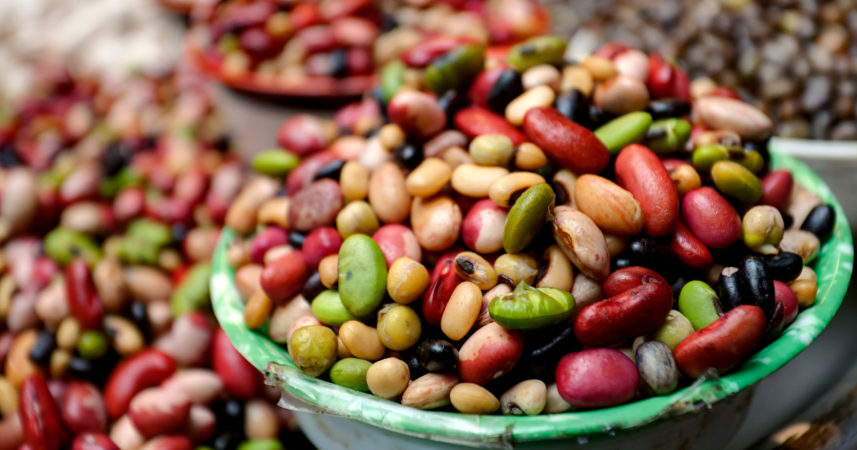
Being a “true vegan” is about setting up your environment, so that your default choices match who you want to be.

Add VegOut to your Google News feed. 
If you want to know who someone really is, you just have to open their pantry.
Our shelves quietly reveal what we believe about health, animals, the planet, and even how we want our future self to feel at 7 p.m. on a random Tuesday.
As a vegan, I have noticed something funny: No matter where I live, how busy life gets, or what food trend is blowing up on social media, there are a few ingredients that always show up in my pantry like old friends.
If these five things are always within arm’s reach for you too, you are living ad eating plant-based.
Let’s dig into the five staples that scream “Yep, this person is truly vegan,” every time you crack open the cupboard:
1) Beans and lentils
Can you really call it a vegan pantry if there is not at least one bag of lentils staring at you from a back shelf?
Beans and lentils are like the rhythm section in a band; they do not need the spotlight, but everything falls apart without them.
On a practical level, they tick every box: Protein, fiber, iron, complex carbs, all in one budget-friendly package.
They are the reason you can make a meal that is filling, nutritious, and cheap enough that your future self is not stressed about money or health.
I still remember the first time I realized how freeing it was to always have a few cans of beans and a jar of lentils around.
I came home late, hungry, and dangerously close to ordering something that did not match my values.
Instead, I threw together lentils, garlic, some spices, and frozen spinach.
Fifteen minutes later, I had this rich, comforting stew and zero delivery guilt.
That moment was about identity; true vegans are designing an environment that makes it easier to keep our choices aligned with our ethics.
A shelf full of beans and lentils is a quiet promise to yourself.
No matter how tired or stressed you are, there is always a way to stick with what you believe.
If your pantry has black beans, chickpeas, lentils in at least two colors, maybe even split peas, you are committed.
2) Whole grains
Here is a quick experiment you can do: When you feel overwhelmed or indecisive about what to eat, ask yourself which grain do I want as the base.
Brown rice, quinoa, oats, barley, or bulgur? If you are truly vegan, at least a couple of those are basically permanent residents in your pantry.
Whole grains are what make vegan meals feel grounding instead of like side dishes.
They add chew, texture, comfort; they transform a random mix of vegetables and beans into something that feels like a meal you want seconds of.
Psychology wise, whole grains are a smart move too.
They help keep your blood sugar more stable, which means fewer energy crashes and fewer “I do not care what it is, I just need food now” decisions.
Those are the moments when our values get hijacked by convenience.
I have oats on auto refill for exactly that reason: Overnight oats, baked oats, savory oats, you name it.
If I know I can wake up and be five minutes away from a satisfying breakfast, I am less likely to grab something processed and random.
Whole grains in the pantry are a sign of someone who is thinking long term; you are quietly investing in how you want to feel next week, next month, next year.
3) Nutritional yeast
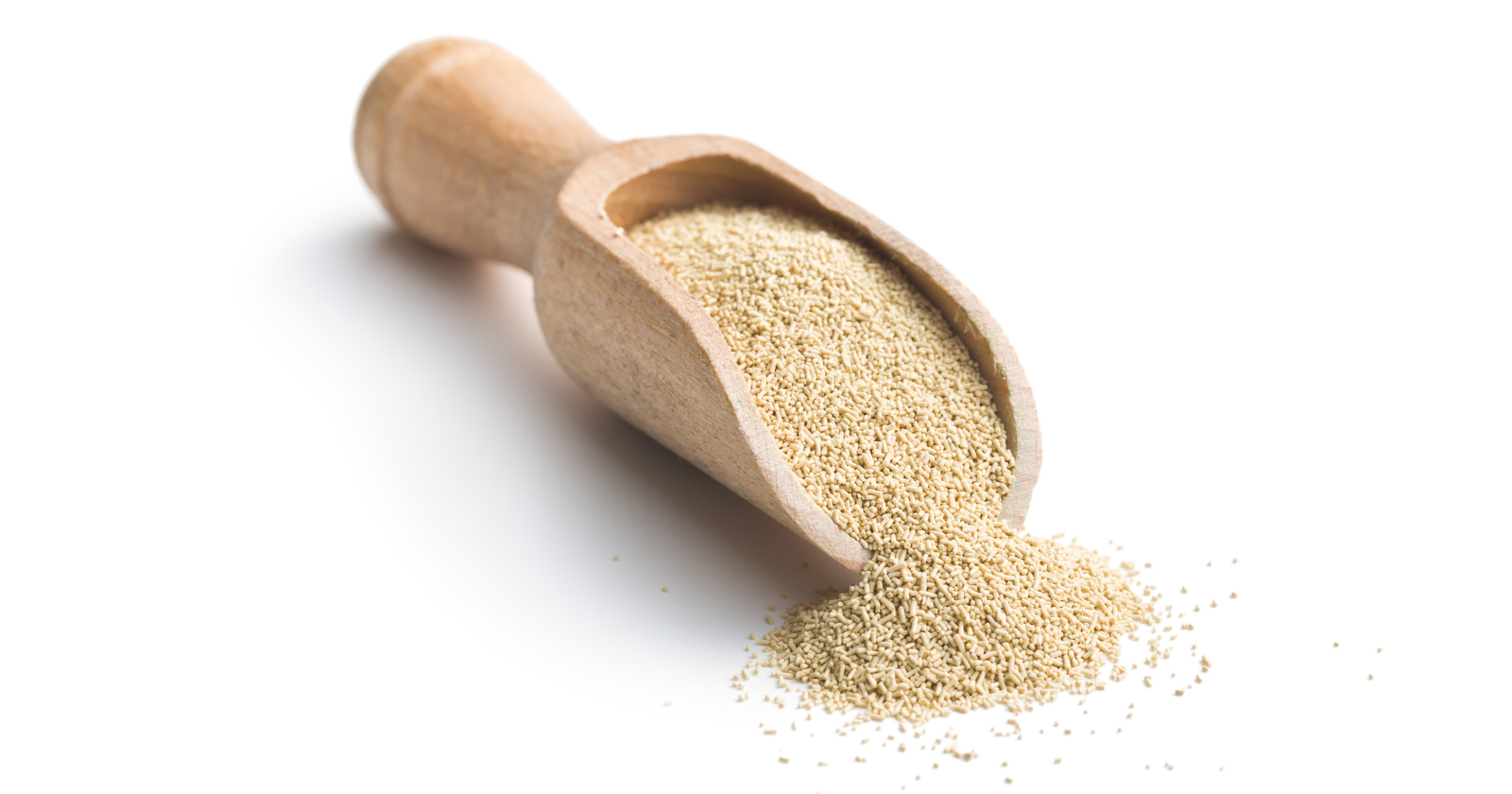
This is the litmus test, right? If you see a big jar of golden flakes and you do not even need to read the label to know it is nutritional yeast, you are deep in vegan territory.
I have traveled a fair bit, and I have this pattern now: I can forget socks, phone charger, even a toothbrush but if I land somewhere and there is no nutritional yeast in the kitchen, I feel slightly off (like I am missing part of my toolkit).
Nutritional yeast is the thing that lets you say “cheesy” without meaning dairy.
It turns plain popcorn into a snack you actually crave, and it makes pasta sauces richer, tofu scrambles more satisfying, and simple veggies taste like something from a cafe menu.
On a deeper level, it represents something important about the vegan mindset.
We are creatively rebuilding flavor and pleasure in a way that fits our ethics.
I have mentioned this before, but when you swap a habit, your brain needs a replacement that feels good, not just “less bad.”
Nooch is one of those replacements; it gives you that savory, umami hit your taste buds still want, without the baggage.
If you have ever found yourself topping everything with nutritional yeast and then pretending you are going to “take a break from it” only to buy a bigger bag next time, yes, you are a real one.
4) Nuts and seeds
If beans and grains are the rhythm section, nuts and seeds are the subtle guitar riffs that make the whole track work.
Look into a vegan pantry and you will usually see at least a few of these: Almonds, walnuts, cashews, peanut butter or almond butter, chia seeds, flaxseed, and sunflower or pumpkin seeds.
At first, they seem like “extras” or little toppings but, if you have been vegan for a while, you know they do a lot of heavy lifting.
One of my go to moves when my brain is tired is this extremely low effort “power bowl.”
Leftover grain, whatever beans I have, roasted veggies if I am lucky, then a big spoonful of tahini or nut butter and a sprinkle of seeds on top.
The difference between “meh, this is fine” and “wow, this is actually satisfying” is usually that fat and crunch.
From a habits point of view, nuts and seeds also reflect something else: Planning.
You do not accidentally buy ground flaxseed or tahini.
Those are intentional choices from someone who has at least skimmed a nutrition article or listened to a podcast and thought, “Ok, I care about my omega 3s and my protein and my heart health.”
If you always have some kind of nut butter, plus a couple of bags or jars of seeds and nuts, you are treating your pantry like a toolkit for long term wellbeing.
5) Spices and condiments
Ever opened a non vegan pantry and seen a wall of seasoning blends, sauces, and oils, but everything still tastes the same?
With vegans, it is different.
Spices and condiments are what make plants exciting.
Take a look at your shelves.
If you are a true vegan, there is probably:
- Soy sauce or tamari
- Smoked paprika
- Garlic powder and onion powder
- Cumin
- Turmeric
- Chili flakes or hot sauce
- Some kind of vinegar
- Maybe tahini, miso, or sriracha
These are the things that let you turn the same base ingredients into completely different meals.
Chickpeas plus rice plus veggies with cumin, coriander, and turmeric becomes a warming, almost Indian style bowl.
The same trio with soy sauce, garlic, and sesame oil leans more East Asian.
Same building blocks, totally different experience.
From a psychology perspective, this matters more than we think: Variety is one of the ways we prevent “healthy eating burnout.”
If your food feels repetitive, your brain will start pushing you toward novelty, even if it means fast food or something that fights your values.
Spices and condiments are how vegans hack that system.
You keep the same whole, plant based staples, but change the flavor profile so you do not get bored.
If you have ever moved apartments and realized you own more types of vinegar and hot sauce than some people own plates, that is not an accident.
That is what identity based habits look like in the wild.
The bottom line
Being a “true vegan” is about setting up your environment so that your default choices match who you want to be.
Your pantry becomes a quiet reflection of your values.
If those five things are almost never missing from your shelves, you are building a life around it.
And the cool part? You do not have to overhaul everything overnight.
Next time you open your pantry, ask yourself: Is this set up for the kind of vegan I want to be?
If the answer is “not quite yet,” that is okay.
You can change that, one bag of lentils or jar of tahini at a time.
If You Were a Healing Herb, Which Would You Be?
Each herb holds a unique kind of magic — soothing, awakening, grounding, or clarifying.
This 9-question quiz reveals the healing plant that mirrors your energy right now and what it says about your natural rhythm.
✨ Instant results. Deeply insightful.

Jordan Cooper
Jordan Cooper is a pop-culture writer and vegan-snack reviewer with roots in music blogging. Known for approachable, insightful prose, Jordan connects modern trends—from K-pop choreography to kombucha fermentation—with thoughtful food commentary. In his downtime, he enjoys photography, experimenting with fermentation recipes, and discovering new indie music playlists.
More Articles by Jordan