If you currently resent weeknight cooking, maybe the problem is the expectations, the recipes, and the pressure you’ve been carrying.
For years, weeknight cooking felt like a personal attack.
I would drag myself home after a long day, open the fridge, and be greeted by half a lemon, some sad lettuce, and a jar of something I did not remember buying.
I would do what most tired, slightly overwhelmed adults do: I’d grab my phone and start scrolling delivery apps.
The irony is I used to work in luxury food and beverage.
I know how to plate a tasting menu, pair wine, and talk about “mouthfeel” with a straight face.
However, on a random Tuesday at 8 p.m., none of that matters: I needed something I could make without thinking, that tasted good, was mostly plants, and didn’t leave my kitchen looking like a war zone.
Over the last couple of years, I’ve slowly built a tiny “portfolio” of low-effort dinners that tick all those boxes.
They are mostly plant-based, flexible, and forgiving.
More importantly, they helped me stop seeing weeknight cooking as a chore and start seeing it as a form of self-respect.
Here are the five that changed things for me:
1) Sheet-pan tofu and vegetables that practically cook themselves
If you only take one idea from this article, let it be this: Put everything on a tray and throw it in the oven.
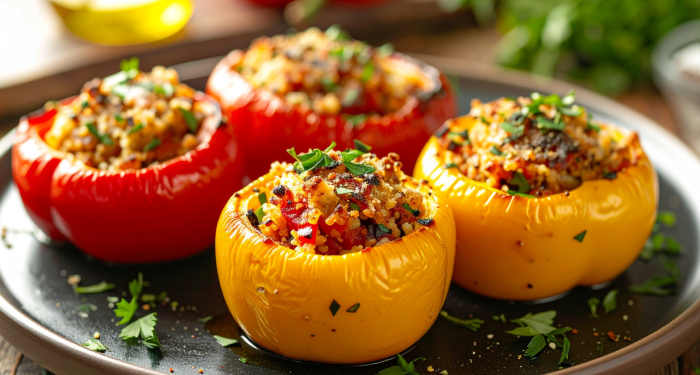
This dinner is stupidly simple: I grab whatever vegetables are lying around, such as broccoli, carrots, bell peppers, zucchini, onions, sweet potato, and it all works.
I chop them roughly into bite-sized pieces, toss them on a sheet pan with cubed firm tofu, drizzle with olive oil, sprinkle salt, pepper, garlic powder, and maybe smoked paprika if I feel fancy.
Then I shove the tray in a hot oven and forget about it for 20 to 30 minutes.
That’s it.
This is more like a framework.
What I love about it is how it reduces friction as this dinner is pure low activation energy; minimal chopping, one pan, and no real technique.
You can eat it as is, pile it over rice, stuff it in a wrap, or throw it on top of salad leaves.
It looks colorful, feels nourishing, and tastes a lot fancier than the effort suggests.
Most importantly, it gives me a small win on nights when the bar is low: cook something at home, don’t hate yourself afterward.
2) Hummus pasta that feels like cheating (in a good way)
The first time I made hummus pasta I felt like I was breaking a rule:
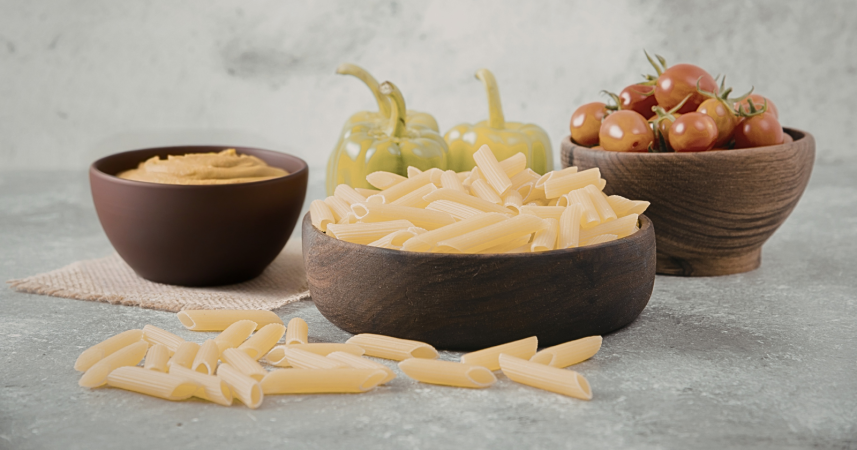
- Cook any short pasta.
- Before you drain it, scoop out a mug of the starchy cooking water.
- Toss the hot pasta with a big spoonful (or three) of store-bought hummus, a splash of that pasta water, some lemon juice, salt, and black pepper.
The heat from the pasta and the water turns the hummus into this silky, creamy sauce.
If I have baby spinach, cherry tomatoes, or frozen peas, I throw them in the pot for the last minute of cooking and call it a day.
From a “fine dining” background, my brain used to scream that this was cheating.
Where is the technique? Where is the reduction? Where is the hand-crafted sauce?
But here’s the thing: My body doesn’t care as it just registers warm, comforting carbs, plant protein, and a decent amount of fiber.
This dish taught me something important about weeknight cooking and, honestly, about life.
Perfection is expensive, while “good enough” is sustainable.
In self-development, we talk a lot about lowering standards in the right places.
Not in terms of values, but in terms of performance pressure.
Hummus pasta is me lowering the bar in a strategic way so I still show up for myself when I’m tired.
3) Lentil coconut curry that feeds both you and your future self
Red lentils are one of the most underrated pantry items on the planet.
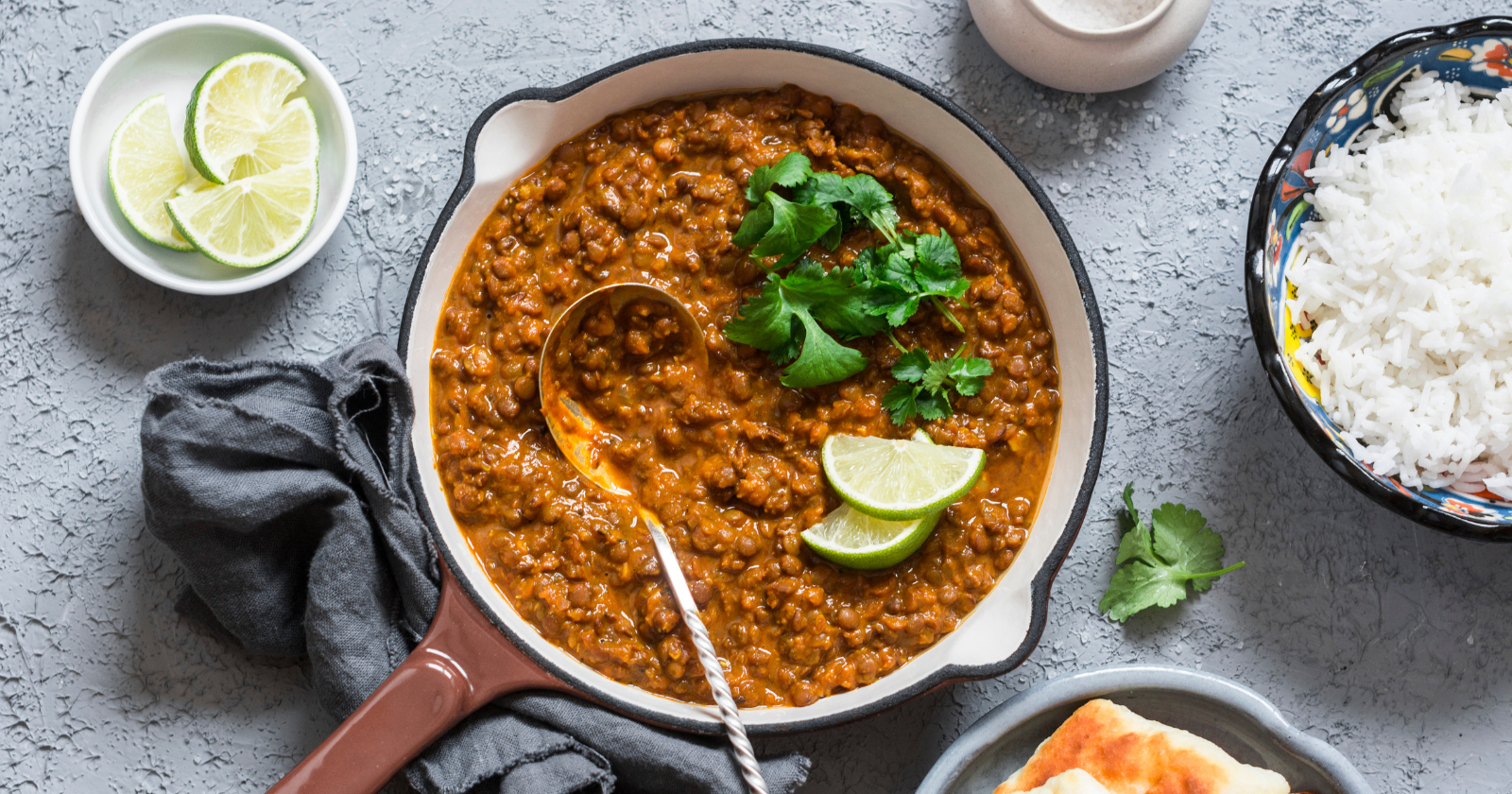
My go-to version is simple: I sauté onion, garlic, and ginger in a pot (if I can be bothered; if not, I skip the sauté and dump everything in).
I add red lentils, curry paste or powder, a can of coconut milk, water or broth, and a pinch of salt.
Afterwards, I let it simmer until the lentils collapse into a creamy stew.
Serve it over rice, quinoa, or with flatbread if I have any.
The magic of this curry is that it multiplies.
I always make a big pot, that way Thursday-You gets to thank Tuesday-You when you pull out a container from the fridge and reheat it in minutes.
One of the most practical ideas I’ve picked up from habit books is to think about your “future self” as a real person you care about.
Cooking a double batch of lentil curry is one of the easiest ways I can take care of that guy.
He feels better when he eats something warm, spiced, and plant-heavy instead of scrolling delivery apps.
4) Lazy taco night with black beans and a lot of toppings
If you grew up thinking dinner has to be a single plated dish, taco night breaks that mental rule in the best way.
My lazy version is almost embarrassingly easy.
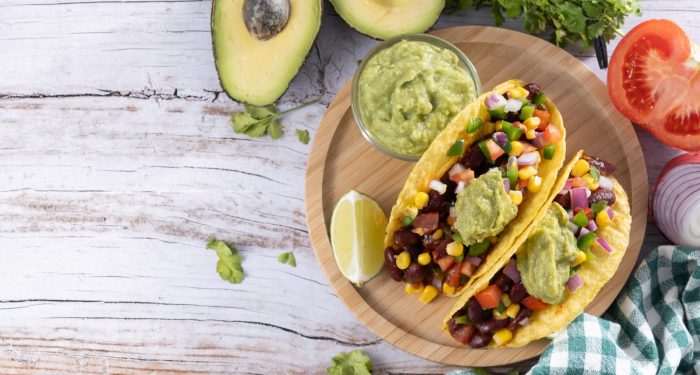
I heat canned black beans in a pan with a little garlic, cumin, chili powder, and a splash of water.
While that bubbles gently, I warm some tortillas in a dry pan then I raid the fridge.
Anything remotely taco-adjacent goes on the table: Shredded lettuce or cabbage, jarred salsa, sliced avocado, pickled onions, leftover roasted veggies, corn from a can, hot sauce.
It’s more assembly than cooking.
What I love about this dinner is that it feels like an event without requiring party-level effort.
There is also a psychological trick hidden in here: By laying everything out “family style,” I stop thinking in terms of “Is this a proper meal?” and start thinking in terms of “What do I feel like putting in my tortilla?”
That tiny shift matters.
Taco night says: Forget all that and open some cans, chop a few vegetables, and let everyone build their own plate.
5) Grain bowls that clear out the fridge
If sheet-pan dinners are my weeknight workhorse, grain bowls are my catch-all safety net.
A grain bowl is basically this formula: Grain + vegetables + protein + sauce.
On exhausted nights, I start with a microwavable pouch of brown rice, quinoa, or a mix.
While that heats up, I look at what needs to be used before it dies:
- Half a roasted sweet potato from yesterday
- A handful of cherry tomatoes
- Some cucumber
- Leftover sheet-pan veggies
- That random half tin of chickpeas I covered with cling film and forgot about
Everything goes in the bowl.
The real trick is the sauce as I keep a few go-to sauces in my mental toolbox: Tahini with lemon and garlic, peanut butter with soy sauce and lime, or just olive oil with vinegar and mustard.
Whisk in a glass, drizzle over the bowl, done.
What I like about grain bowls is how they turn “random bits in the fridge” into something intentional.
Instead of feeling guilty about food waste, I feel creative.
It also ticks a lot of boxes at once: High in plants, plenty of fiber, satisfying, colorful, quick to assemble, and minimal dishes.
Because I’m assembling rather than cooking, my brain doesn’t add “this is hard” to the narrative!
Why these dinners changed everything
At some point, I realized I didn’t actually hate cooking.
I hated the version of cooking I thought I was supposed to do.
The version where every meal is a new recipe, every sauce is made from scratch, and every night is an opportunity to “elevate” something.
That mindset works in a restaurant, but it does not work when you’ve had a long day, you are a bit tired, and you just want to eat something that will nourish you and not wreck your kitchen.
These five low-effort dinners helped me rewrite my mental script and, honestly, they reminded me of a bigger self-development principle of how consistency beats intensity.
If you currently resent weeknight cooking, maybe the problem is the expectations, the recipes, and the pressure you’ve been carrying.
Try picking one of these frameworks and make it your own, and you might also begin to see cooking as something it was always meant to be: A small, daily way of taking care of yourself!
If You Were a Healing Herb, Which Would You Be?
Each herb holds a unique kind of magic — soothing, awakening, grounding, or clarifying.
This 9-question quiz reveals the healing plant that mirrors your energy right now and what it says about your natural rhythm.
✨ Instant results. Deeply insightful.

Adam Kelton
Adam Kelton is a writer and culinary professional with deep experience in luxury food and beverage. He began his career in fine-dining restaurants and boutique hotels, training under seasoned chefs and learning classical European technique, menu development, and service precision. He later managed small kitchen teams, coordinated wine programs, and designed seasonal tasting menus that balanced creativity with consistency.
After more than a decade in hospitality, Adam transitioned into private-chef work and food consulting. His clients have included executives, wellness retreats, and lifestyle brands looking to develop flavor-forward, plant-focused menus. He has also advised on recipe testing, product launches, and brand storytelling for food and beverage startups.
At VegOut, Adam brings this experience to his writing on personal development, entrepreneurship, relationships, and food culture. He connects lessons from the kitchen with principles of growth, discipline, and self-mastery.
Outside of work, Adam enjoys strength training, exploring food scenes around the world, and reading nonfiction about psychology, leadership, and creativity. He believes that excellence in cooking and in life comes from attention to detail, curiosity, and consistent practice.
More Articles by Adam