Hosting a plant-based brunch doesn’t have to mean tofu pretending to be eggs. With the right atmosphere, flavor balance, and a few thoughtful touches, you can create a spread so good even the meat lovers will be asking for seconds.
There’s a special kind of magic in brunch. It’s the one meal that seems to transcend schedules and labels. Half breakfast, half lunch, entirely about connection.
And when you tell people you’re hosting a plant-based brunch, chances are, at least one friend will raise an eyebrow. They’ll smile politely, but deep down, they’re probably thinking: “That’s nice, but where are the eggs?”
I used to be that person.
Having worked in the restaurant world for most of my twenties, I thought “brunch” meant poached eggs, hollandaise, maybe smoked salmon on sourdough. Anything less felt like a compromise.
But over the past few years, I’ve discovered something: the best plant-based brunches don’t try to imitate the classics. They reimagine them.
Done right, they’re colorful, abundant, and layered with flavor. And even the non-vegans will go home raving.
Here’s how to pull it off.
Start with the vibe, not the menu
Before you even think about what to cook, think about how you want people to feel.
A brunch isn’t just a meal. It’s an atmosphere. The pace, the light, the playlist, even how people serve themselves, all matter.
Do you want a laid-back, sun-drenched morning where everyone lingers around the kitchen island, sipping iced coffee? Or something more refined, with plated courses and a bit of ceremony?
Once you’ve decided on the vibe, everything else becomes easier. The dishes, the drinks, even the decor fall naturally into place.
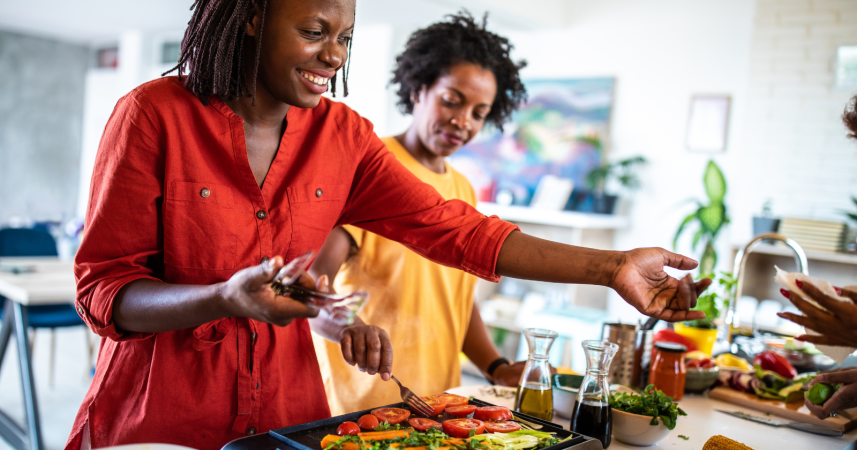
Personally, I like to strike a balance between casual and considered. Think mismatched ceramics, linen napkins, and food that looks effortless but tastes like you planned it for days.
Build your menu around textures, not just ingredients
Here’s something I learned from years of menu development: flavor gets people talking, but texture keeps them coming back for seconds.
The most satisfying plant-based brunches have contrast. Soft with crunchy. Creamy with crisp. It’s what keeps every bite interesting.
Start with a few anchor dishes. Hearty mains that carry the meal.
Maybe a warm chickpea scramble with caramelized onions and turmeric, or a savory sweet potato hash with roasted peppers and smoked paprika.
These are your base notes. Comforting, flavorful, familiar.
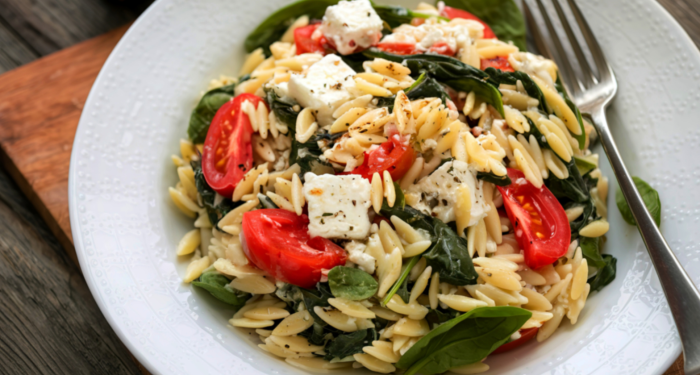
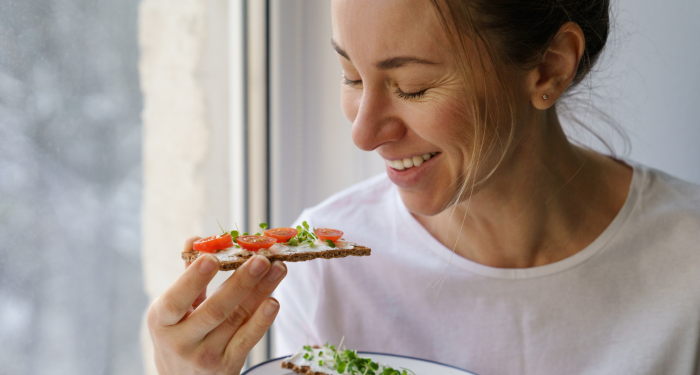
Then, layer in light, fresh elements. Citrus salads, herbed avocado toast, or roasted tomatoes glistening with olive oil and sea salt.
And don’t underestimate the power of a good topping bar. Toasted nuts, pickled onions, microgreens, chili oil, vegan feta.
It lets guests personalize their plates, which makes the experience more interactive and fun.
Focus on flavor depth, not imitation
One of the biggest mistakes I see when people cook plant-based food is that they try too hard to replace animal products.
They’ll spend hours trying to make tofu taste like eggs or chase a perfect faux-bacon texture, and end up with something that tastes fine but not amazing.
Here’s the truth. You don’t need to replicate the original when you can create something completely delicious on its own terms.
Use umami-rich ingredients like miso, mushrooms, soy sauce, or nutritional yeast to build savory depth.
Add acidity with lemon juice, vinegars, or fermented foods to balance the richness.
Finish everything with a touch of salt and fat like olive oil, avocado, or tahini to round it out.
One of my go-to dishes is a smoky white bean spread with lemon zest and garlic. It’s silky, flavorful, and pairs perfectly with sourdough or roasted veggies. No one misses the butter.
Make the drinks memorable
Let’s be honest. Brunch drinks are half the reason people show up.
But instead of the usual mimosas, why not elevate things a little?
Try making a “green goddess spritz.” Cucumber juice, mint, lime, and sparkling water with a splash of elderflower syrup.
It’s refreshing, vibrant, and feels indulgent without the sugar crash.
If you want something with a kick, cold brew with oat milk and cinnamon foam is always a crowd-pleaser.
Or set up a DIY smoothie bar with bowls of frozen fruit, nut butters, and toppings like cacao nibs and coconut flakes.
For those who still want their bubbles, prosecco with fresh grapefruit and rosemary makes a surprisingly elegant alternative to orange juice.
Presentation matters more than perfection
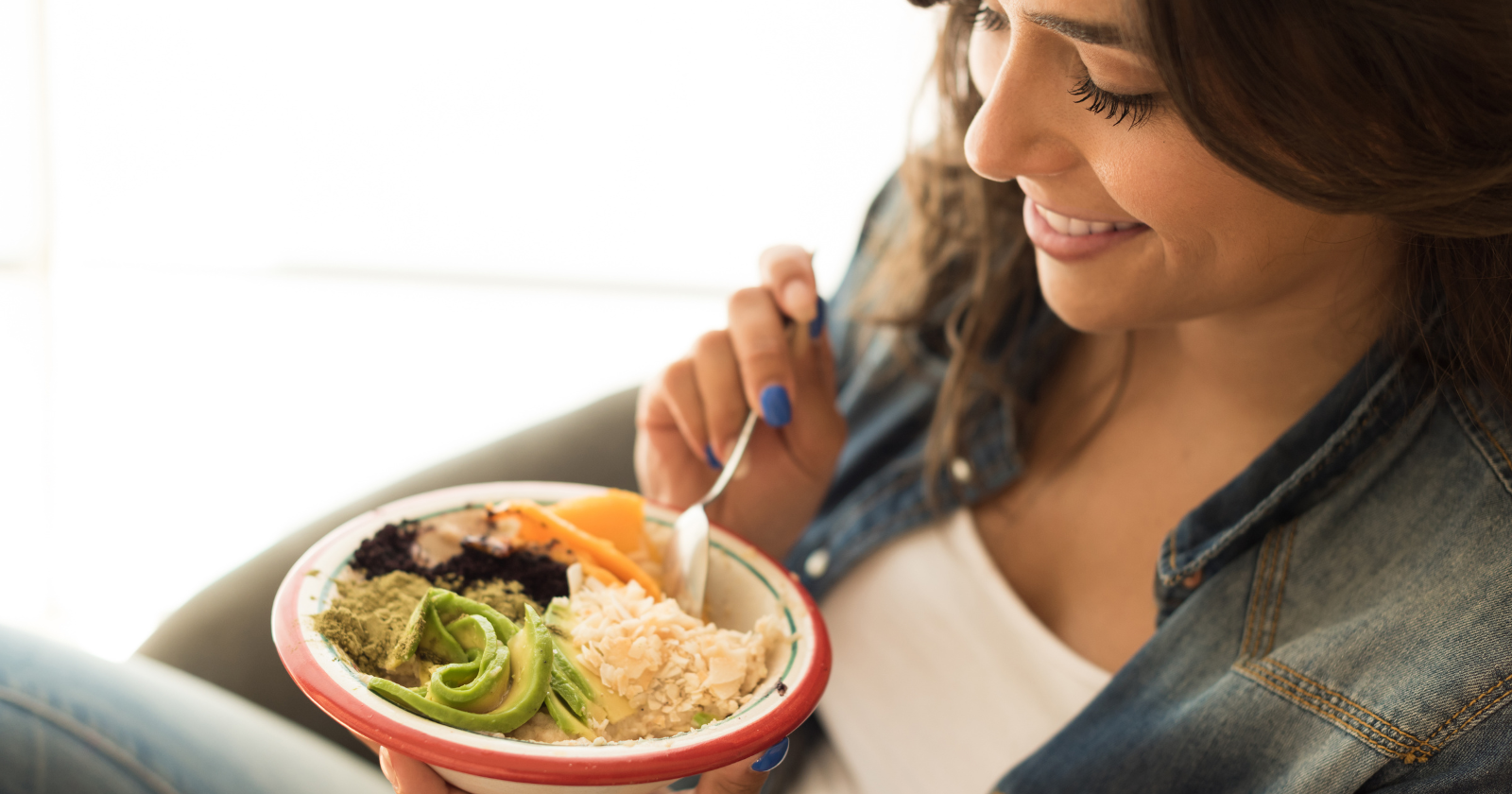
Here’s a secret every hospitality professional knows: people eat with their eyes first.
You don’t need Michelin-star plating, but how you present your food tells your guests how to feel about it.
Use big platters and wooden boards.
Play with color — vibrant greens, ruby reds, and golden browns. Scatter herbs like confetti. Drizzle sauces with intention, not precision.
A little visual chaos is actually beautiful. It signals abundance.
And don’t hide everything in the kitchen until it’s time to eat. Set things out gradually.
Maybe start with fruit, pastries, and drinks, then bring out the hot dishes once people are chatting.
It creates a sense of flow, almost like restaurant service without the stiffness.
Include something indulgent (because balance is everything)
Every brunch needs a hero dish. The one that gets everyone pulling out their phones.
For a plant-based brunch, this could be fluffy pancakes with coconut whipped cream and berry compote. Or a banana bread loaf studded with dark chocolate chunks.
You could also try baked oat French toast with maple syrup and toasted almonds. It’s decadent but still wholesome.
A good rule of thumb: make sure at least one item feels indulgent, even if it’s secretly good for you.
People remember the dishes that make them feel spoiled.
Anticipate the skeptics (and win them over)
If you’ve ever hosted a mixed crowd, you know the skeptics.
They’ll say things like, “I’ll try it, but I’ll probably grab a burger later.”
This is your chance to prove them wrong. Not with lectures, but with flavor.
Serve something familiar but reimagined. For example, a loaded breakfast sandwich with marinated tofu, avocado, and spicy vegan mayo.
It hits all the same notes as a classic bacon-and-egg roll, just cleaner and lighter.
Or go the other way. Show them something totally unexpected. Maybe a Thai-style coconut rice pudding with mango and lime.
When people’s expectations are exceeded, they start rethinking what plant-based food can be.
Prep smart so you can actually enjoy it
If you’ve ever hosted a brunch, you know it’s easy to end up stuck in the kitchen while everyone else is laughing in the next room.
Avoid that by doing most of your prep the day before.
Chop your veggies, marinate your tofu, bake your breads, and pre-mix your sauces. Have your coffee and juices chilled and ready to pour.
On the day, you should only be assembling, reheating, or garnishing.
Hosting should feel like you’re part of the party, not catering it.
Create a playlist that tastes like sunshine
It sounds small, but music shapes the whole experience.
You want something that feels relaxed and upbeat. The kind of playlist that makes people want to linger over another cup of coffee.
Think acoustic covers, neo-soul, bossa nova, or chill indie tracks. If you’re not sure where to start, Spotify has great pre-made brunch playlists. Just tweak them to your vibe.
And keep the volume at a level where people can actually hear each other. The best brunches are built around conversation.
Add a personal touch
The little details are what make people remember your brunch long after it’s over.
Write a small menu card with the dishes listed. Put a flower stem or sprig of rosemary at each setting.
Or, my favorite: send guests home with a small jar of something from the meal.
Homemade granola, nut butter, or jam. It’s a sweet reminder that they were part of something intentional.
Finally, remember brunch is about connection
At the end of the day, it’s not really about whether the pancakes were perfectly fluffy or the coffee art-worthy.
It’s about creating a few hours of connection, where phones are down, conversation flows easily, and everyone leaves feeling lighter than when they arrived.
Good food helps. But what people will remember most is how they felt at your table.
So make it relaxed. Make it generous. Make it yours.
If there’s one thing I’ve learned, both in kitchens and in life, it’s that hospitality isn’t about perfection. It’s about intention.
Get that part right, and even the most dedicated carnivore will be asking when your next plant-based brunch is happening.
Just launched: Laughing in the Face of Chaos by Rudá Iandê
Exhausted from trying to hold it all together?
You show up. You smile. You say the right things. But under the surface, something’s tightening. Maybe you don’t want to “stay positive” anymore. Maybe you’re done pretending everything’s fine.
This book is your permission slip to stop performing. To understand chaos at its root and all of your emotional layers.
In Laughing in the Face of Chaos, Brazilian shaman Rudá Iandê brings over 30 years of deep, one-on-one work helping people untangle from the roles they’ve been stuck in—so they can return to something real. He exposes the quiet pressure to be good, be successful, be spiritual—and shows how freedom often lives on the other side of that pressure.
This isn’t a book about becoming your best self. It’s about becoming your real self.