Refined vegans have a way of making the simplest meals feel elevated without spending more time or money. It’s not about fancy ingredients. It’s about small intentional choices that change how food looks, tastes, and feels. A few tiny tweaks can turn everyday meals into something that feels genuinely special.
There’s something effortless about the way refined vegans eat.
It’s not that we’re all out here preparing five-course meals or hunting down obscure ingredients.
Most of the time, the food is simple.
But somehow it still feels elevated.
People ask how that happens, and honestly, it took me years to realize it’s not about money or complexity.
It’s about intention, psychology, and a little creativity layered into the everyday.
Let’s get into it.
1) They plate like they care
One of the biggest secrets is that refined vegans treat plating like part of the meal rather than an afterthought.
I’m not talking about Michelin-level design. I mean actually taking ten extra seconds to place food on a plate instead of dumping it like a cafeteria tray.
There’s solid research in behavioral science reminding us that we eat with our eyes first. When something looks intentional, our brain interprets it as high value.
A drizzle of tahini instead of blobs. A handful of herbs instead of a sad sprinkle. A color contrast that pulls you in.
I learned this during a trip to Lisbon years ago when a tiny vegan café served me a simple bowl of beans and greens that looked like an art piece.
The ingredients weren’t special. The setting definitely wasn’t fancy. But the care in the plating changed everything.
It tasted ten times better purely because someone paid attention.
Minimal effort. Maximum effect.
2) They use color as a strategy
Have you ever noticed that the simplest vegan dishes feel luxurious when the colors pop?
There’s a reason.
Color signals freshness, vibrancy, and variety. When I open the fridge and see leftovers, I often ask myself something simple. What’s one colorful thing I can add?
Sometimes that’s purple cabbage. Sometimes it’s chili flakes. Sometimes it’s a few slices of citrus or some roasted tomatoes.
Even something as basic as oatmeal feels elevated when you add contrast.
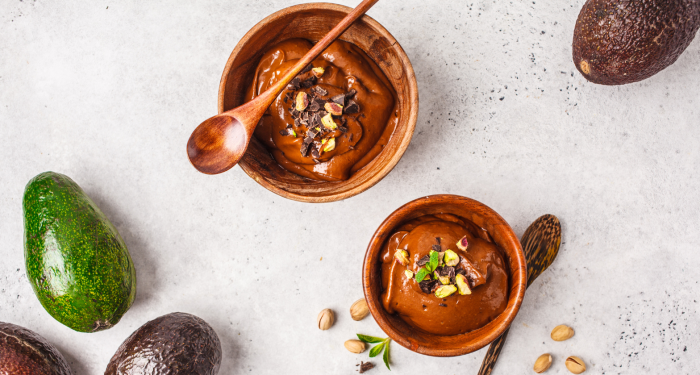
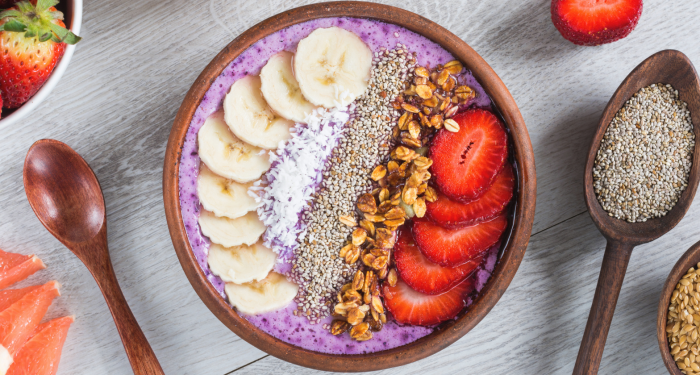
You can take a beige bowl and make it look like a magazine cover with a handful of bright berries or some crushed pistachios.
It’s like taking a photo. A muted palette is fine, but the right pop of color transforms the whole thing.
I’ve mentioned this before but one of the easiest psychological tricks in the kitchen is choosing foods that look alive.
Brightness naturally reads as expensive even when the food costs almost nothing.
It sends a subtle message to your brain that the meal was created with intention rather than survival-mode efficiency.
3) They add small sensory upgrades
Luxury is often about sensory experience, not cost.
So refined vegans lean into textures and aromas that feel special.
A few toasted seeds on top of soup. Lemon zest shaved over pasta. Freshly cracked pepper instead of the pre-ground stuff we all bought in college.
None of these things require skill. They require awareness.
Every time I grate garlic into a pan instead of tossing in a jarred version, the entire kitchen smells like I know what I’m doing.
I don’t always, but the aroma does the heavy lifting.
I used to make bowls that were perfectly fine but kind of flat. The turning point was realizing that texture is a psychological shortcut to luxury.
Crunch, creaminess, and subtle spice can take a dish from basic to memorable in two minutes.
The idea is simple. Upgrade the senses and you upgrade the meal.
4) They choose one element to make from scratch
This is a trick I picked up accidentally.
If everything on the plate is store-bought or pre-cooked, the meal feels functional.
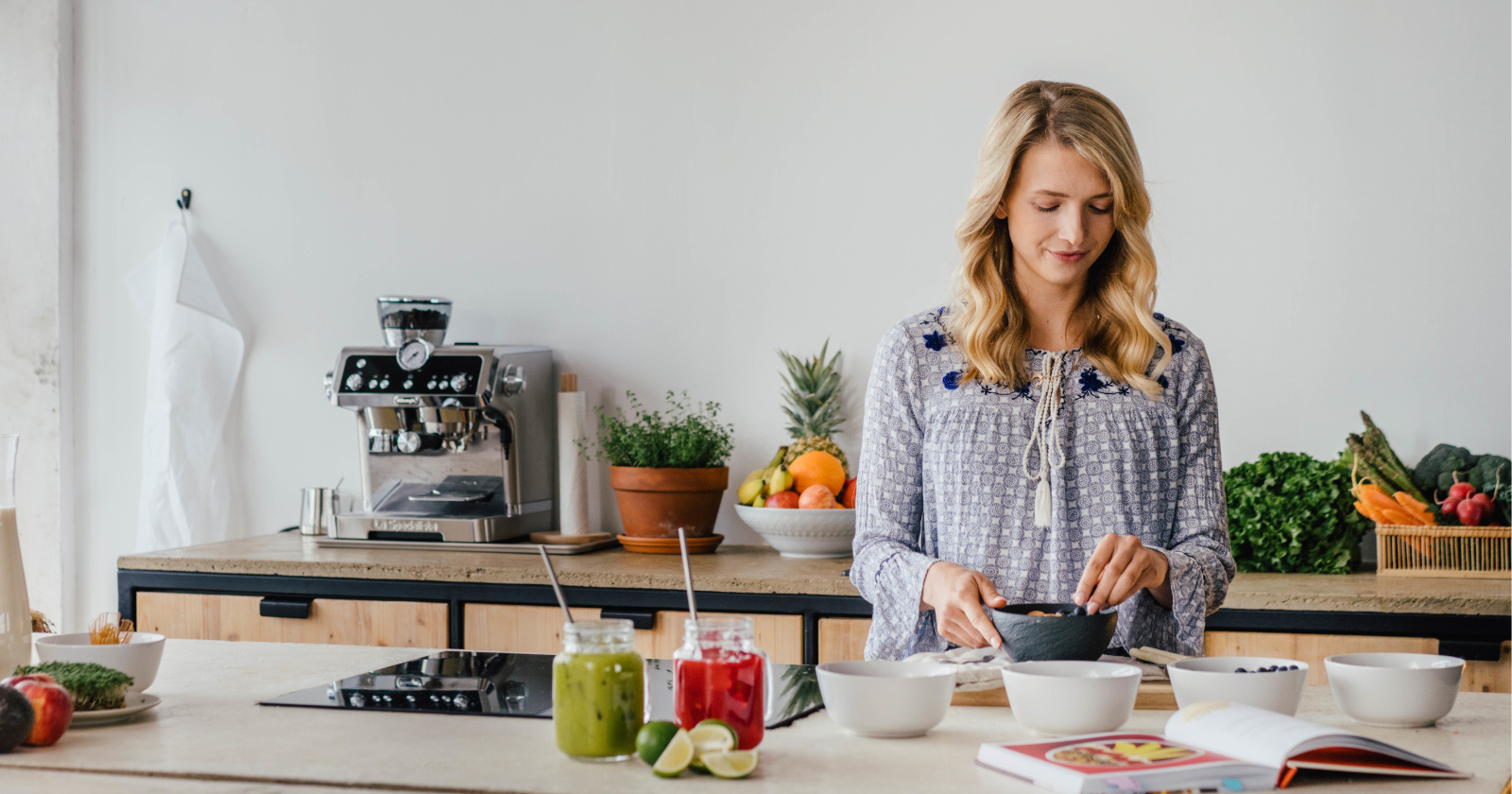
But if one thing is homemade, everything feels more intentional.
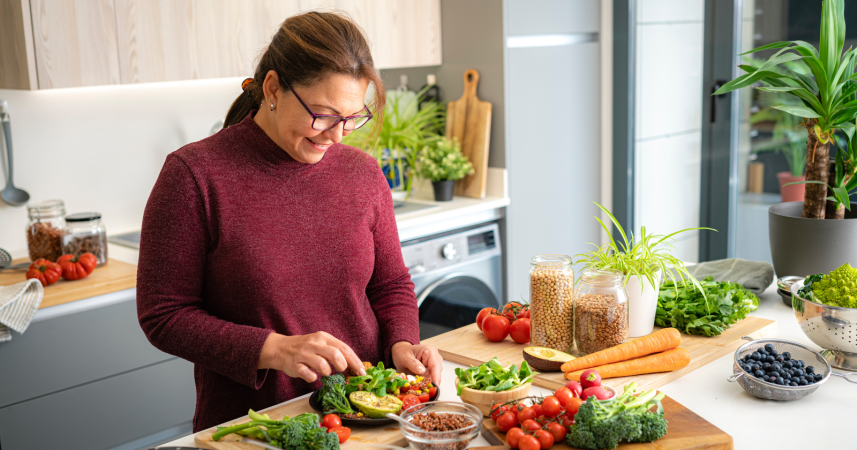
It could be a sauce. A quick pickled topping. A roasted vegetable. Even a pan-fried piece of tofu with a simple seasoning mix.
That one homemade thing gives the meal identity.
Last week I made a bowl of rice, beans, and spinach. Pretty boring.
But I also mixed up a five-minute spicy tahini sauce and suddenly it tasted like something you’d find at a fast-casual spot in LA.
That single element changed the entire mood of the dish.
It’s not about effort. It’s about having one signature piece that says someone cared enough to show up.
And the best part is you can rotate that one thing depending on your energy levels. Some days it’s homemade salsa.
Other days it’s just roasted garlic mashed into avocado. That still counts.
5) They think about vessels, not just ingredients
A surprising part of making simple food feel expensive is choosing the right vessel.
Bowls that make the colors pop. Small plates for concentrated flavors. Mason jars for layered parfaits. Even using a wooden board for toast changes the whole vibe.
In the psychology of decision-making, we talk a lot about “context cues.” The container changes how we perceive the value of what’s inside.
The same stew tastes richer in a wide, shallow bowl.
The same salad looks fresher in a glass container. The same smoothie feels intentional in a simple tumbler instead of a plastic cup.
At home I rotate between a few plates I love because they make food look better than it actually is. Not for guests. For me.
I used to think that was silly. Now I think it’s one of the most underrated forms of self-respect.
Choosing the right vessel signals that you deserve to experience your food rather than rush through it.
It’s a mental shift as much as an aesthetic one.
6) They practice micro-garnishing
This is something I picked up after years of photographing my meals.
A micro-garnish is anything fresh or small that finishes a dish. It doesn’t need to be fancy.
Some examples:
A squeeze of lemon.
A tiny handful of chopped herbs.
A swirl of olive oil.
A pinch of sea salt.
A sprinkle of smoked paprika.
Practicing micro-garnishing make the dish look polished, and they add a hit of flavor that makes everything feel gourmet.
Most of the time when people ask me why a simple bowl looks expensive, the real answer is that I added something fresh on top. That’s it.
It’s the final touch that makes the dish feel alive instead of flat.
And honestly, it gives you a little moment of ritual. A pause where you tell your brain, this isn’t just fuel. This is something I’m about to enjoy.
7) They respect their ingredients
This is the mentality I’ve seen in refined vegans everywhere I’ve traveled.
There’s an appreciation for the ingredient itself. Not in a precious farm-to-table way, but in a rooted sense of noticing.
When you treat a tomato like it matters, you slice it cleanly. You season it lightly. You let it shine.
When you treat tofu with intention, you press it or marinate it instead of throwing it straight from the package into a pan.
Respecting ingredients is a psychological shift. It puts you in a slower state for just a moment.
And oddly enough, that moment is what makes the meal feel more expensive.
It’s not performative. It’s presence.
And presence tastes luxurious.
When I studied behavioral patterns in everyday decisions, I kept coming back to the idea that attention changes perception.
That’s what’s happening here. Paying attention makes simple food feel like an experience instead of an obligation.
The bottom line
Making food feel elevated isn’t about being fancy.
It’s about noticing the little details that influence how we experience something. Refinement is really just awareness turned into action.
Simple food can feel expensive when you show up with a bit of intention, a bit of creativity, and a bit of respect for the process.
Try one or two of these ideas the next time you cook.
You might be surprised at how quickly “simple” shifts into “special.”
What’s Your Plant-Powered Archetype?
Ever wonder what your everyday habits say about your deeper purpose—and how they ripple out to impact the planet?
This 90-second quiz reveals the plant-powered role you’re here to play, and the tiny shift that makes it even more powerful.
12 fun questions. Instant results. Surprisingly accurate.