Eating vegan on a budget is easy when you rely on simple, affordable staples like beans, rice, oats, tofu, and frozen veggies. These basics keep meals satisfying, flexible, and wallet-friendly.
Crafting a vegan pantry on a budget is easier than most people think. Once you get a few core ingredients into rotation, things start to feel simple instead of stressful.
I’ve noticed that the people who stick with plant-based eating long term aren’t the ones chasing whatever meat alternative is trending on TikTok.
They’re the ones who rely on the basics. The quiet staples that make cooking straightforward and affordable.
These staples show up in almost every millennial kitchen I’ve visited, whether that kitchen belongs to a student, a new parent, or someone juggling two jobs and a side hustle.
They’re not glamorous, but they work. And sometimes the things that work are the things we come back to again and again.
Here are the seven staples that keep plant-based budgets balanced.
1) Beans
Beans have been with me through every season of adulthood.
When I lived in tiny shared apartments in Los Angeles, beans were the base of almost every dinner.
They were cheap, filling, and easy to dress up with whatever spices I had lying around.
Traveling only confirmed how universal beans really are.
I’ve made chickpeas with roasted peppers in Lisbon, black beans with garlic in Mexico City, and adzuki beans in Tokyo on a tiny dorm-style stove.
No matter where I was, beans anchored the meal.
They work in tacos, salads, soups, chili, dips, and even desserts. I once made black bean brownies on a dare and ended up liking them more than the real thing.
There’s also a psychological angle here. People love foods that feel predictable. When you know an ingredient is going to leave you full and satisfied, you rely on it.
That’s part of why beans end up in so many budget-friendly vegan diets. They offer stability without boredom.
2) Rice
Rice is one of those ingredients that quietly holds the world together. Every culture has its own version, and every version tells a story.
But beyond the cultural side, rice is simply practical. It stretches meals. It pairs with almost anything. And even a giant bag of it is still incredibly affordable.
Years ago, I started batch-cooking grains on Sundays. A big pot of rice in the fridge has saved me more times than I can count.
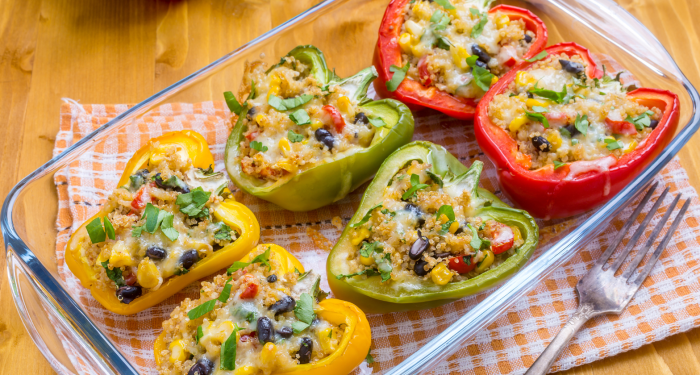
During the week, it becomes burrito fillings, veggie bowls, fried rice, stuffed peppers, or a quick side when I don’t want to cook a full dinner.
I’ve mentioned this strategy before because it really does make life easier.
When you remove unnecessary decision-making from your week, you reduce stress. Rice does exactly that.
It frees up mental space by giving you a dependable base to build around.
3) Oats
If there were a contest for Most Reliable Breakfast, oats would win without even trying. They’re cheap, filling, and surprisingly versatile.
Some mornings I keep them simple. Other days, I mix in fruit, peanut butter, or chia seeds.
When I’m in a rush, I throw oats into smoothies to make them more satisfying. I’ve also used them in veggie burgers, granola, and even cookies.
A friend of mine uses oats instead of breadcrumbs when she’s short on ingredients. It works better than you’d expect.
Oats remind us that basic habits matter.
You don’t need elaborate recipes or complicated ingredients to eat well. You just need a few routines that hold your day together.
Oats are one of those routines for a lot of budget-conscious millennials.
4) Frozen vegetables
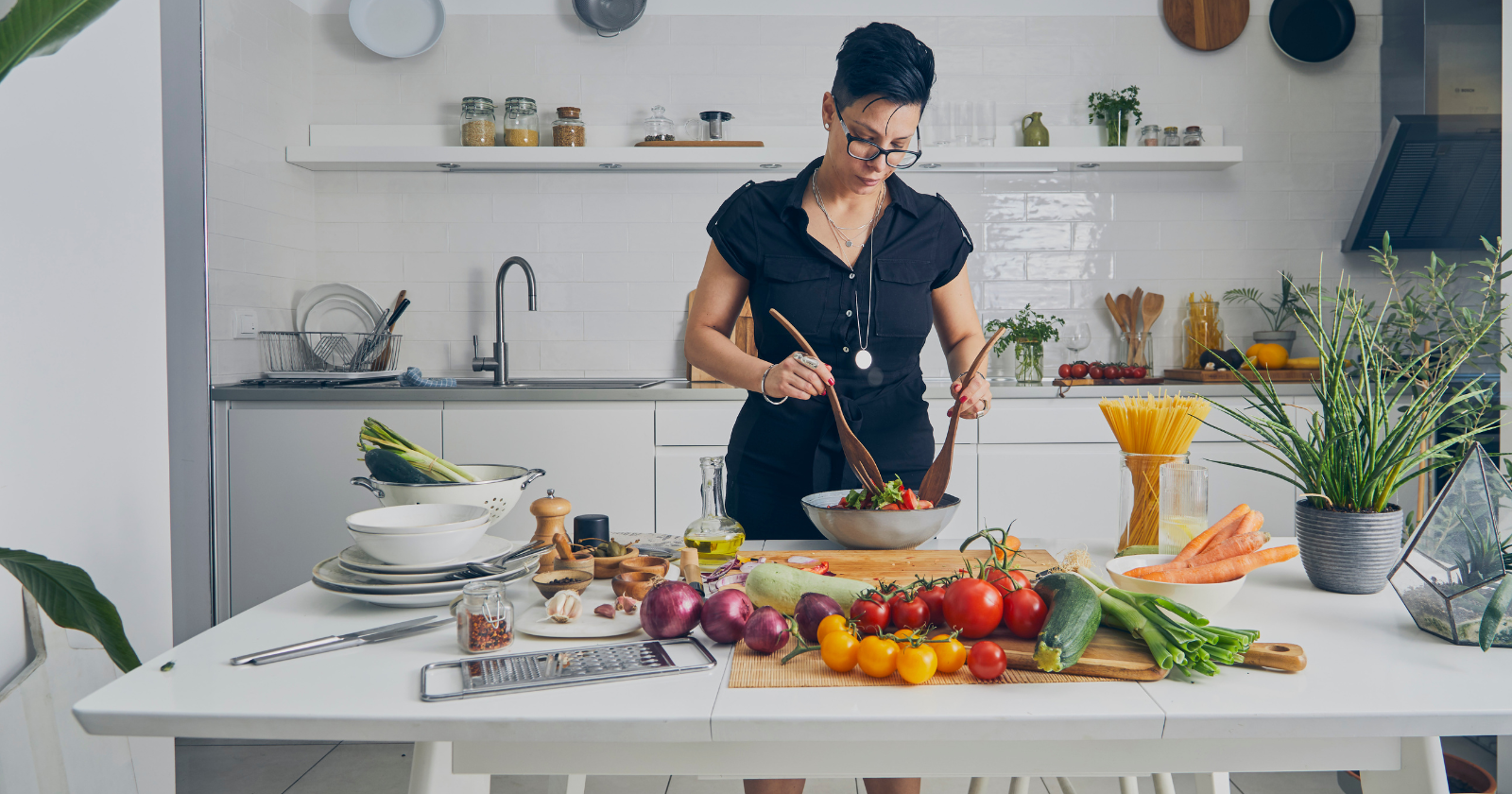
Frozen vegetables are one of the true heroes of affordable eating.
They last forever, they’re usually cheaper than fresh produce, and in many cases, they’re actually fresher.
Most millennials I know buy frozen broccoli and peas, not because they love the freezer aisle, but because frozen vegetables don’t go bad by midweek.
They’re practical. They’re consistent. And they save you from throwing money away.
Back when I was learning photography, I used frozen vegetables constantly.
I’d spend hours behind a camera or editing, then look up and realize I had no energy to cook. A bag of frozen stir-fry mix saved the night more than once.
They fit into everything: stir-fries, pastas, soups, curries, and grain bowls. They cut meal prep down to minutes.
And when healthy options are right there waiting for you, you’re more likely to make better choices. Frozen vegetables make that easy.
5) Potatoes
Potatoes might be the most comforting and dependable item on this list. They’re inexpensive, filling, and endlessly flexible.
You can bake them, mash them, roast them, boil them, or sauté them.
You can use them at breakfast, lunch, or dinner without ever repeating the same experience twice.
I once spent a week backpacking through Eastern Europe, eating mostly potatoes and local vegetables.
It wasn’t glamorous, but it was nourishing. And in an unfamiliar place, that sense of comfort mattered more than I expected.
Potatoes carry emotional weight. They feel like home. They feel like stability.
And in a world where millennials are balancing work, finances, and a constant flood of responsibilities, stable meals matter.
Potatoes deliver that consistency without costing much.
6) Tofu
Tofu is the shape-shifter of the vegan world. It tastes like whatever you want it to taste like, which makes it incredibly useful.
It’s one of the most budget-friendly sources of protein you can buy, and it adapts to nearly every cooking style.
You can bake it, fry it, scramble it, marinate it, or toss it into soups or stir-fries.
I didn’t appreciate tofu until I learned how to cook it properly. Pressing it changed everything. So did seasoning it generously and getting a good sear.
Once I figured that out, tofu suddenly became one of the most exciting ingredients in my kitchen.
It keeps your meals interesting, which matters when you’re trying to stick with plant-based eating long term.
Novelty is a big part of how we experience satisfaction with food. Tofu gives you endless ways to experiment without driving up your grocery bill.
7) Peanut butter
Peanut butter has this unique emotional pull. Most of us grew up with it, so it carries a sense of nostalgia that’s hard to replace.
But nostalgia isn’t the only reason it shows up in so many millennial kitchens. Peanut butter is affordable, calorie-dense, and incredibly versatile.
You can put it in smoothies, drizzle it on oatmeal, turn it into a sauce, pair it with fruit, or make a last-minute sandwich when your energy is fading.
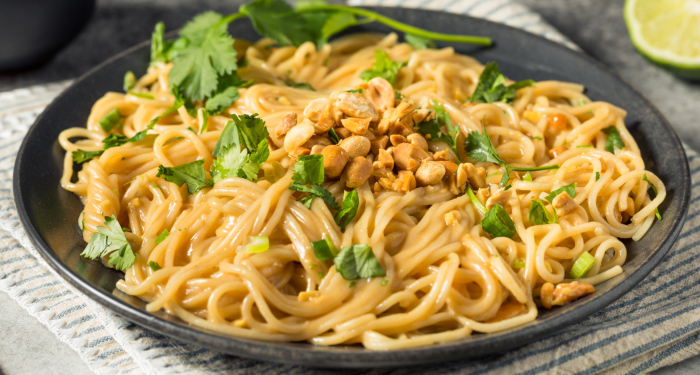
I’ve even stirred it into spicy ramen when I wanted something quick but comforting.
It’s one of those staples that makes the pantry feel complete. When life gets busy, one jar of peanut butter can pull together a dozen different meals and snacks.
It’s practical, familiar, and satisfying. And that combination makes it a favorite for budget-conscious eaters.
The bottom line
Eating vegan on a budget doesn’t have to feel restrictive. When you lean on these staples, cooking gets easier, cheaper, and more intuitive.
These seven ingredients show up in millennial kitchens for a reason.
They stretch your dollar, simplify your routine, and keep you full without forcing you into complicated recipes.
Start with these basics and build from there. Small shifts make a big difference over time.
If You Were a Healing Herb, Which Would You Be?
Each herb holds a unique kind of magic — soothing, awakening, grounding, or clarifying.
This 9-question quiz reveals the healing plant that mirrors your energy right now and what it says about your natural rhythm.
✨ Instant results. Deeply insightful.

Jordan Cooper
Jordan Cooper is a pop-culture writer and vegan-snack reviewer with roots in music blogging. Known for approachable, insightful prose, Jordan connects modern trends—from K-pop choreography to kombucha fermentation—with thoughtful food commentary. In his downtime, he enjoys photography, experimenting with fermentation recipes, and discovering new indie music playlists.
More Articles by Jordan