On paper, these are just cheap recipes; under the surface, they are stories.

Add VegOut to your Google News feed. 
There is a special kind of muscle memory that comes with being a broke vegan.
It is about the way your hands automatically grab the same bag of rice, the same can of beans, the same jar of peanut butter, because they have quietly saved you a hundred times.
These are the meals you could make half asleep.
You made them in tiny college kitchens, in cramped apartments, on tour, after long shifts and short paychecks.
Even when the money situation improves, you still make them out of habit, comfort, and identity:
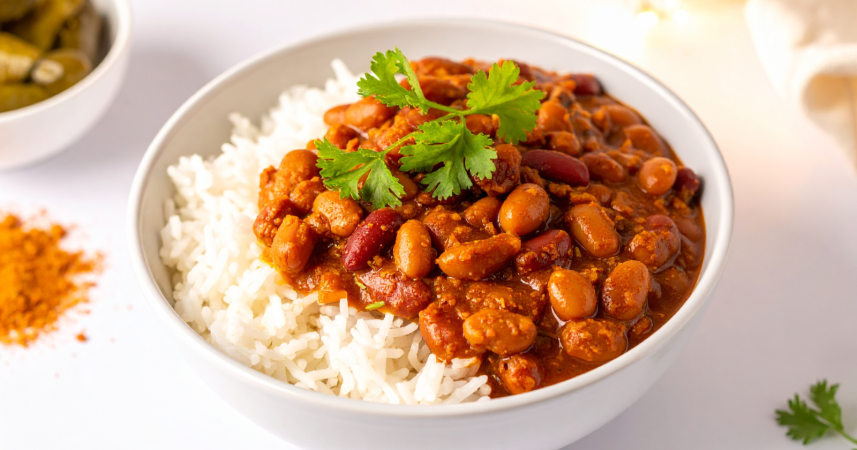
1) Big pot of beans and rice
If broke vegan cooking had a national anthem, it would be the sound of a pressure cooker full of beans and rice.
You already know the formula: Some kind of bean, some kind of grain, and onion, garlic, a cheap fat, and whatever spices you can scrape together.
When I first went vegan, I was living in a small apartment in California with a terrible stove.
I could not cook anything fancy, but I could absolutely make a giant pot of black beans and rice on Sunday and live off it for days.
Here is why this meal sticks, even when your bank account stops panicking:
- It is insanely cheap per serving.
- It hits carbs, protein, and fiber in one bowl.
- It is endlessly flexible, so you do not get bored.
You can go Latin inspired with cumin, smoked paprika, lime, and cilantro; you can go simple with just garlic, salt, and olive oil, and it still tastes like home.
Psychologically, it does something important too as beans and rice remove decision fatigue.
Instead of staring into your fridge trying to design a perfect meal every night, you accept that perfection is overrated and consistency wins.
I have mentioned this before but the people who eat well long term are not the ones making Michelin level food every day.
They are the ones who have defaults they lean on when life is messy.
Beans and rice is the default of all defaults.
2) Oatmeal in every possible version
Oats are like that friend who always shows up, never complains, and somehow gets along with everyone.
Most broke vegans start with classic breakfast oats: Water or plant milk, a pinch of salt, and banana if you are feeling rich.
Then the experimentation begins, and you realize you can throw in:
- Frozen berries you scored on sale.
- A spoon of peanut butter for protein and calories.
- Cinnamon, cocoa powder, or even instant coffee if you need a boost.
You also realize something else: Oatmeal becomes breakfast, lunch, and “I guess this is dinner.”
Savory oats with miso, soy sauce, scallions, and a sprinkle of sesame seeds? That is just congee with a branding problem.
Why does this bowl hang around even years later?
Well, because it is fast, comforting, and your brain has now linked “oats” with “I am taken care of.”
From a behavioral science angle, that matters.
Our brains love reliable sources of comfort.
Every time oats show up in a crisis, they quietly strengthen that association.
Even when you can afford the fancy brunch spot, there are days when you still choose the humble bowl you stirred together at your own stove.
3) Pasta with whatever is in the pantry
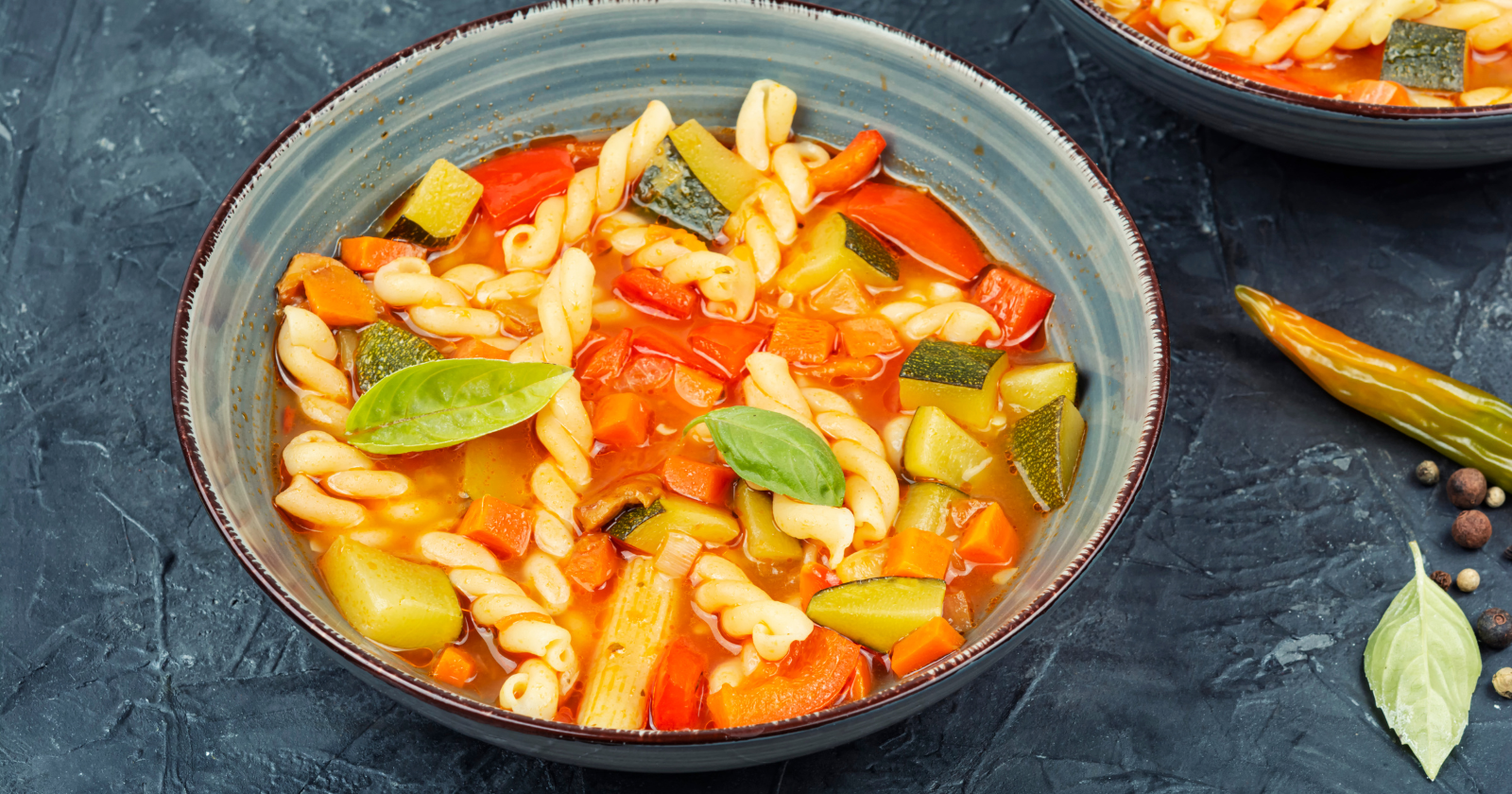
If beans and rice are the national anthem, pasta is the underground mixtape that everybody knows.
You only really need three things: Dried pasta, garlic or onion, and some kind of sauce or oily base
In my early vegan days, my default was this:
- Boil pasta.
- Sauté garlic in olive oil.
- Dump in canned tomatoes, salt, and pepper.
- Throw in frozen spinach.
That was it; dinner in fifteen minutes, for pocket change.
Over time, you learn more tricks.
No canned tomatoes? Use olive oil, garlic, chili flakes, and breadcrumbs.
No olive oil? Use a spoonful of peanut butter with soy sauce and a little sugar, and suddenly you have a rough version of peanut noodles.
Pasta is also forgiving as you can overcook it a little, you can use whatever weird vegetables you found marked down, and you can swap ingredients and it still tastes like “real food.”
On a psychological level, pasta is one of those meals that lowers the barrier to action.
It is much easier to convince yourself to cook when you know you are exactly 15 minutes away from a hot meal that will taste good, no matter what.
The worst food decisions usually happen in that gap between “I am hungry” and “I have a plan.”
Pasta shrinks that gap to almost nothing.
Even when your pantry has truffle oil and artisanal sauces, your brain still trusts that simple bag of spaghetti and that jar of cheap marinara.
4) Chickpea salad sandwiches
At some point every broke vegan discovers that smashed chickpeas plus mayo equals “tuna style” salad.
From there, it is game over.
You grab a can of chickpeas, you mash them in a bowl with vegan mayo or hummus, and you add mustard, salt, pepper, maybe some chopped pickles or celery if you are feeling extra.
Pile it on toast, or stuff it in a tortilla, and you have lunch.
I used to live near a store that would put chickpeas on sale for absurdly low prices; I would load up, drag them home in reusable bags that were way too heavy, and then live on chickpea salad sandwiches for an entire week of deadlines.
Here is why this meal becomes a habit:
- It feels like a “real” sandwich, not a sad side dish.
- It is portable.
- It takes maybe five minutes to make.
There is a psychological angle here too as we are heavily influenced by rituals.
The act of toasting bread, layering on chickpea salad, wrapping the sandwich in paper or a napkin, even cutting it in half, sends a signal: “This is lunch. You are a functioning adult. You have your life together enough to pack food.”
When you are broke or stressed, that feeling is priceless and it sticks.
Even when you can buy the expensive deli sandwich, there are days when you still open a can of chickpeas and reach for the jar of mayo, almost without thinking.
5) Upgraded instant ramen
Every broke vegan has a relationship with instant noodles.
Sometimes it starts in college, and sometimes it started way before that.
At first, it is just boiling water and throwing in the flavor packet but eventually you start hacking it.
You keep the cheap noodles, but:
- Add frozen veggies to the pot.
- Toss in cubes of tofu or leftover beans.
- Stir in a spoon of miso, peanut butter, or tahini for depth.
- Top it with green onions or chili oil if you have them.
You have basically created a budget-friendly noodle bowl.
What is happening behind the scenes is interesting: Your brain has learned how to move something from “junk food” to “low effort but respectable meal” with just a few tweaks.
That is a powerful skill as it also taps into something behavioral scientists talk about a lot: The power of small upgrades.
You are just nudging the meal a little healthier, a little more filling, a little more aligned with your values.
That kind of thinking tends to spill over into other areas of life.
You start asking: What is the tiny upgrade I can make here, without needing more time or money than I have?
Even when you are no longer broke, there is a strange joy in making a “fancy” bowl of upgraded instant ramen.
It is nostalgic, it is fast, and it reminds you of a time when you had to be creative to eat well at all.
The bottom line
On paper, these are just cheap recipes but, under the surface, they are stories.
They are proof that you can take care of yourself even when money, time, and energy are all running on fumes.
Moreover, they are evidence that you learned to work with limits instead of waiting for perfect conditions.
If you recognise these meals, you probably also recognise a version of yourself who had to stretch every dollar and still wanted to eat in line with your values.
You might not miss being broke, but you can still respect the resourceful version of you that showed up in those years.
Keeping these meals in your rotation is one way of saying thanks to your past self, to your present body, and to that quiet belief that even when life is messy, you can still take care of yourself with what you have.
What’s Your Plant-Powered Archetype?
Ever wonder what your everyday habits say about your deeper purpose—and how they ripple out to impact the planet?
This 90-second quiz reveals the plant-powered role you’re here to play, and the tiny shift that makes it even more powerful.
12 fun questions. Instant results. Surprisingly accurate.