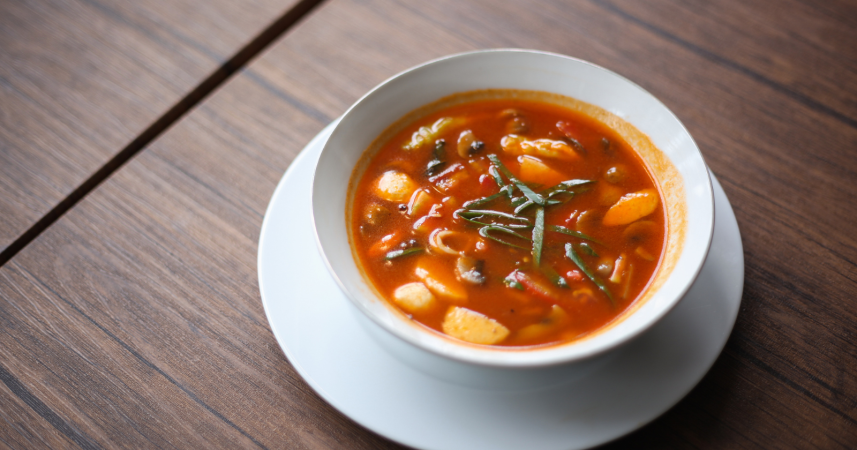
Some of the meals we grew up eating out of necessity may actually hold the secret to sustainable, plant-forward living today.
The smell of beans simmering on the stove was the soundtrack of my childhood.
My grandmother would let them bubble low and slow all afternoon, stretching a single bag of pintos into enough dinners to feed everyone who wandered into our kitchen. A stack of warm tortillas sat nearby, ready to turn humble spoonfuls into handheld meals.
For families like mine, meals weren’t curated by cookbooks or Pinterest boards. They were designed by necessity—cheap, filling, repeatable.
And while there was sometimes shame in eating the same thing over and over, those plates carried resilience, too. They taught us how to stretch, how to season, and how to make “enough” feel abundant.
Here’s the kicker: many of those same meals—once symbols of survival—are also cornerstones of sustainable, plant-forward eating today.
If you grew up paycheck to paycheck, chances are these seven dishes were regulars on your table.
And with a few small tweaks, they can transform from nostalgia into nutrient-packed, eco-friendly staples.
1. Beans and rice: more than filler
Beans and rice were the ultimate budget meal: cheap by the pound, filling enough to carry you to the next day, and endlessly adaptable. But too often they were framed as “poor food,” a fallback when nothing else was in reach.
The truth? This duo is a powerhouse. Beans bring protein, fiber, and minerals; rice delivers energy and comfort. Together, they make a complete protein, which means they can hold their own against steak or chicken—without the climate toll.
In fact, a 2022 study found that swapping beef for beans in the average American diet could cut greenhouse gas emissions by nearly half.
So how do we move beans and rice from the “survival food” category into the “meal prep hero” zone?
- Season boldly. A pinch of cumin, a bay leaf, or a splash of vinegar during cooking takes beans from flat to fragrant.
- Mix up the rice. White rice is classic, but brown rice, quinoa, or even cauliflower rice add nutrients and texture.
- Add a topping bar. Salsa, avocado, sautéed greens—suddenly beans and rice are a customizable bowl, not a last resort.
The upshot? What once felt like the meal you ate because you had no other choice can now be the meal you crave for its flavor, affordability, and planet-friendly profile.
2. Ramen with hacks: survival soup
Instant noodles were another budget staple, especially when you had a dollar and a dream. But the tiny seasoning packet? A sodium bomb with almost no nutrition.
That’s where creativity came in—families stretched ramen with egg, frozen veggies, or even hot sauce packets from takeout.
Today, ramen can be reimagined as a nourishing base, not a guilty shortcut. Start with the noodles, but skip the packet. Instead:
- Build a real broth. A spoonful of miso paste, soy sauce, or bouillon in hot water creates depth.
- Pile on plants. Frozen broccoli, spinach, or sliced carrots cook in the same pot as the noodles.
- Add affordable protein. Cubes of tofu or edamame make it stick to your ribs.
What was once “survival soup” is now a balanced, plant-based bowl that costs less than takeout but delivers restaurant-level comfort.
3. Peanut butter sandwiches: stick-to-your-ribs simplicity
If you carried PB sandwiches in your lunchbox day after day, you weren’t alone. Peanut butter was cheap, calorie-dense, and long-lasting—an insurance policy against hunger.
But it could get monotonous, and when paired with soft white bread and grape jelly, it leaned more sugar than sustenance.
To give the humble peanut butter sandwich a plant-forward upgrade:
- Switch the spread. Sunflower butter or almond butter are great alternatives if allergies are a concern.
- Upgrade the bread. Whole grain bread adds fiber and keeps you fuller.
- Swap the jelly. Try mashed berries, chia jam, or sliced fruit for natural sweetness.
It’s still quick, affordable, and satisfying—but now it fuels you with steady energy and nutrients instead of a sugar crash.
4. Cabbage everything: the stretch vegetable
When budgets were tight, cabbage was the vegetable that kept showing up. It was cheap, kept forever in the fridge, and could bulk up soups, stir-fries, or tacos. But for many, it symbolized “bare-bones” eating.
The truth? Cabbage is one of the most underrated climate heroes. It’s hearty, hydrating, and grows in abundance with fewer resources than many “luxury” greens. To make cabbage exciting again:
- Go global. From curtido on pupusas to kimchi with rice, cabbage takes on any flavor.
- Cook it hot and fast. A quick sear in a skillet with garlic and soy sauce brings out sweetness.
- Use the whole head. Roast thick slabs like “steaks,” or pickle the core for tangy crunch.
Reframed, cabbage isn’t a symbol of scarcity—it’s a canvas for flavor and resilience.
5. Oatmeal for dinner: warming, filling, shame-tinted
Oatmeal for dinner often felt like scraping the bottom of the pantry. But oats are nutrient-rich, versatile, and one of the most climate-friendly grains around.
The trick is letting oats step out of their breakfast box:
- Savory oats. Simmer rolled oats in veggie broth instead of water. Top with sautéed mushrooms, greens, and chili oil.
- Texture play. Steel-cut oats hold up beautifully to savory flavors.
- Batch potential. Cook a pot at the start of the week and dress it differently each night.
What once felt like a last-resort meal can now be a warming, nutrient-dense option that rivals risotto for pennies.
6. Spaghetti nights: red sauce on repeat
Every working-class family had “spaghetti night.” A box of pasta and a jar of sauce could feed a crowd for under five bucks. But the repetition was real, and the lack of protein often left you hungry again.
Here’s how to upgrade spaghetti night:
- Boost the sauce. Stir in lentils or chickpeas for protein and body.
- Roast the veg. Zucchini, eggplant, or carrots caramelize in the oven, turning jarred sauce gourmet.
- Switch the pasta. Whole grain or legume-based pasta adds nutrition without breaking the budget.
The beauty? You keep the comfort and the tradition—just minus the nutritional gaps.
7. Canned soups and stews: convenience, but costly in sodium
Canned soups were a lifesaver when time and money ran short. They were shelf-stable, cheap, and required no effort. But they also packed sodium and little else.
Reclaiming the spirit of “soup night” is easier than it seems:
- Cook big, freeze smart. A pot of lentil soup or veggie chili stretches across multiple meals, just like the cans—but fresher.
- Spice strategically. Paprika, cumin, or smoked salt give depth without excess sodium.
- Do the math. Homemade soup often costs less than a dollar a serving, especially when using bulk beans or grains.
Soup doesn’t have to mean “settling.” It can be a ritual of nourishment that honors the past while building a healthier future.
The bigger picture: from survival to sustainability
When I look back, those meals remind me of the tightrope walk my family lived every week—stretching dollars and ingredients at the same time.
What I didn’t know then was that our “cheap” meals were also low-carbon, high-fiber, and rooted in traditions that spanned cultures across the globe.
Today, we have the chance to reframe them. Beans and rice aren’t poor food—they’re climate food. Cabbage isn’t desperation—it’s abundance. Oats and ramen aren’t last resorts—they’re canvases for creativity.
The upshot? What once was a necessity can now be a choice—one that nourishes both body and planet.
And maybe, just maybe, it reminds us that resilience built in the kitchen doesn’t just stay at the table.
It feeds how we care for each other, and for the world.
What’s Your Plant-Powered Archetype?
Ever wonder what your everyday habits say about your deeper purpose—and how they ripple out to impact the planet?
This 90-second quiz reveals the plant-powered role you’re here to play, and the tiny shift that makes it even more powerful.
12 fun questions. Instant results. Surprisingly accurate.