A handful of bold, plant-based ingredients can turn even the simplest meal into something you can’t stop talking about.

Add VegOut to your Google News feed. 
We’ve all been there. You’ve made something that’s…fine. Not bad, but not exactly exciting either.
And while salt and pepper can only do so much, the right ingredient—one with bold personality—can take that same dish from forgettable to “where has this been all my life?”
Here’s the fun part: you don’t need to go vegan to enjoy vegan ingredients.
In fact, some of the most flavor-packed pantry staples I’ve discovered in my career in luxury hospitality just happen to be plant-based.
So, whether you’re cooking for a vegan friend or you just want to wake up your weeknight meals, here are eight ingredients that will seriously up your flavor game.
1. Miso paste
The first time I worked with miso paste was in a fine dining kitchen where the chef used it to glaze cod. But here’s the thing—it’s just as powerful in a vegan pantry.
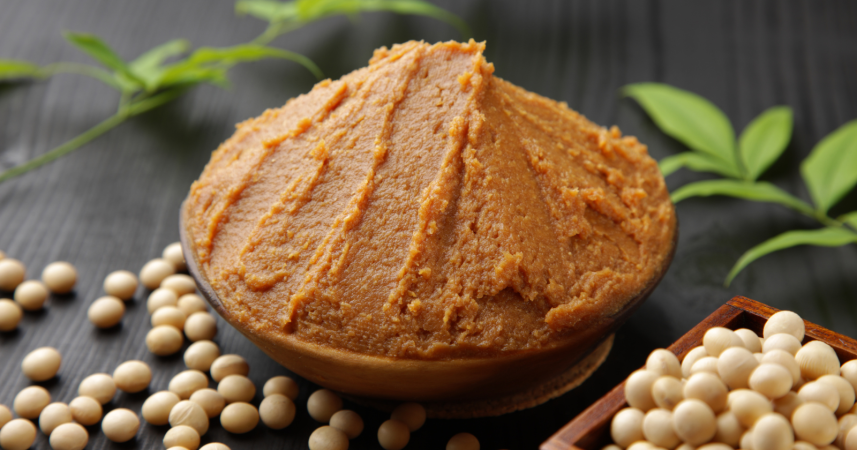
Miso is a fermented soybean paste with a salty, savory depth chefs call “umami.” This is the magic that makes soups taste richer, veggies taste meatier, and dressings taste more complex.
As noted by the Harvard T.H. Chan School of Public Health, fermented foods like miso aren’t just tasty—they can also benefit your gut health thanks to probiotics.
I like whisking white miso into a vinaigrette or stirring red miso into mushroom gravy. A little goes a long way, but that little bit will make your food taste like you’ve been working on it all day.
2. Smoked paprika
There’s something deeply satisfying about the taste of smoke—especially when you can get it without standing over a barbecue for hours.
Smoked paprika, made from peppers that are smoked and dried over oak fires, gives any dish a sultry, earthy kick.
It’s the secret weapon in my roasted chickpeas and my go-to way to make tomato-based sauces taste like they’ve been simmering in a wood-fired oven.
And yes, it’s vegan-friendly while still delivering that satisfying, “meaty” depth you’d expect from a grilled dish.
If you want to level up your soups, roasted veggies, or even scrambled tofu, keep smoked paprika within reach. Trust me, you’ll start using it more than you expect.
3. Tahini
Tahini is one of those ingredients that can be intimidating until you use it once—and then you wonder how you ever lived without it.
Made from ground sesame seeds, tahini has this nutty, slightly bitter complexity that works in both sweet and savory dishes.
It’s not just for hummus (though I’m not saying no to hummus). I’ve drizzled tahini sauce over roasted cauliflower, whisked it into dressings, and even blended it into chocolate desserts.
Research shows that sesame seeds—the base of tahini—are rich in healthy fats and antioxidants such as sesamin and sesamol, which may help reduce inflammation and improve lipid profiles.
If your cooking feels flat, a spoonful of tahini is often all it needs to get interesting again.
4. Coconut milk
There’s a reason coconut milk shows up in everything from Thai curries to Caribbean stews—it’s rich, creamy, and instantly transforms a dish.
I remember making a vegan sweet potato soup with coconut milk during a hotel menu revamp. The feedback? “It tastes like velvet.”
Full-fat coconut milk is my pick when I want that luxurious texture, but even the light version can add body without making the dish feel heavy.
It’s not just about creaminess either. Coconut milk brings a subtle sweetness that balances heat in spicy dishes, and it can mellow out acidic ingredients like tomatoes or lime.
5. Nutritional yeast
Let’s be real—the name “nutritional yeast” sounds like something you’d buy reluctantly at a health food store. But don’t let that fool you.
This flaky, yellow seasoning is like a magic powder for adding a cheesy, nutty flavor without any dairy.
Nutritional yeast is often fortified with vitamin B12, which is a big deal for those on plant-based diets.
I sprinkle it over popcorn, blend it into vegan mac and cheese, and stir it into risotto for extra depth.
It’s one of those ingredients that, once you have it, you’ll keep finding excuses to use.
6. Harissa
If you like a bit of heat but want more than just raw spice, harissa is your friend. This North African chili paste combines peppers, garlic, and spices into a bold, complex condiment that wakes up everything it touches.
I first used harissa in a roasted carrot dish during a catering event—it turned something humble into the star of the plate.
Since then, I’ve stirred it into soups, smeared it on sandwiches, and tossed it with roasted potatoes.
It’s also highly customizable—some versions lean smoky, others more herbal. Either way, it’s a quick way to make a dish feel exciting and layered.
7. Pickled vegetables
There’s a reason pickles show up in cuisines all over the world. That tangy bite doesn’t just add flavor—it cuts through richness and balances a plate.
Pickled red onions, in particular, are a staple in my kitchen. They take five minutes to make and add instant brightness to tacos, grain bowls, or salads.
As food scientists point out, acidity is one of the five basic tastes our palates crave. Pickled veg delivers that acidity in a way that’s fresh and punchy.
If your dish feels heavy or one-note, a spoonful of pickled something can bring it back to life.
8. Black garlic
Finally, let’s talk about the ingredient that’s quietly been gaining cult status: black garlic.
It’s made by slowly fermenting regular garlic until it turns jet-black and develops this sweet, molasses-like flavor with almost no sharpness.
The first time I tasted it, I thought, “Where has this been hiding?” It’s umami-packed and works in everything from pasta to stir-fries. I’ve even mashed it into vegan butter for an unforgettable spread.
While it’s not cheap, you don’t need much. A clove or two can completely shift the flavor profile of a dish into gourmet territory.
The bottom line
Cooking, vegan or not, is all about knowing which ingredients can do the heavy lifting for you.
These eight aren’t just “nice to have” additions—they’re the kind of things that can take a plain plate and make it unforgettable.
And honestly? They’re not just for vegans. They’re for anyone who’s ever sat down to a meal and thought, “This could use… something.”
The key is to experiment. Pick one, try it in a familiar recipe, and notice how it changes the experience.
Before you know it, you’ll have a whole new set of go-to flavor boosters—and boring dinners will be a thing of the past.
If You Were a Healing Herb, Which Would You Be?
Each herb holds a unique kind of magic — soothing, awakening, grounding, or clarifying.
This 9-question quiz reveals the healing plant that mirrors your energy right now and what it says about your natural rhythm.
✨ Instant results. Deeply insightful.

Adam Kelton
Adam Kelton is a writer and culinary professional with deep experience in luxury food and beverage. He began his career in fine-dining restaurants and boutique hotels, training under seasoned chefs and learning classical European technique, menu development, and service precision. He later managed small kitchen teams, coordinated wine programs, and designed seasonal tasting menus that balanced creativity with consistency.
After more than a decade in hospitality, Adam transitioned into private-chef work and food consulting. His clients have included executives, wellness retreats, and lifestyle brands looking to develop flavor-forward, plant-focused menus. He has also advised on recipe testing, product launches, and brand storytelling for food and beverage startups.
At VegOut, Adam brings this experience to his writing on personal development, entrepreneurship, relationships, and food culture. He connects lessons from the kitchen with principles of growth, discipline, and self-mastery.
Outside of work, Adam enjoys strength training, exploring food scenes around the world, and reading nonfiction about psychology, leadership, and creativity. He believes that excellence in cooking and in life comes from attention to detail, curiosity, and consistent practice.
More Articles by Adam