What we order signals how we think about craft, seasonality and care without us saying a word.
“Tell me what you eat, and I will tell you what you are.” Jean Anthelme Brillat-Savarin said that a long time ago, and it still lands.
What we order signals how we think about craft, seasonality, and care, without us saying a word. I am plant based and spend an embarrassing amount of time reading menus.
Over time, I have noticed that certain choices quietly announce, “This person gets it.”
Here are eight orders that do exactly that.
1. The seasonal starter
I always start by scanning the seasonal or market section and picking the simplest appetizer they list. Think blistered shishitos with citrus salt in summer, roasted delicata with pepitas in fall, or first press asparagus with lemon and olive oil in spring.
Why it signals good taste: you are choosing the dish that lives or dies on freshness. No heavy sauces, no smoke and mirrors. You are betting on the kitchen’s sourcing and restraint. You also show you know seasons still matter, even in an age of global cold chains.
Quick tip: if the menu names farms or growers, that is a green flag. If it says seasonal but reads like it was printed last year, it might not be the hill to dine on.
2. The simplest pasta or noodle
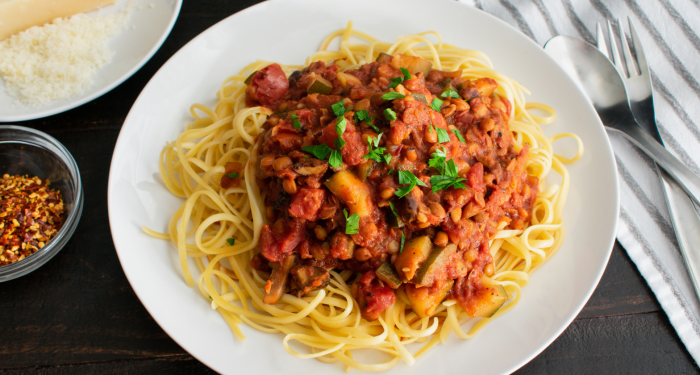
When there is a pasta or noodle that is basically three or four ingredients, I am in.
Spaghetti aglio e olio, soba with sesame and scallion, tomato basil penne, udon with shoyu and mushrooms. Minimalist carbs are truth serum.
Why it signals good taste: it tells the kitchen you are evaluating fundamentals: salt, heat, texture, timing. Al dente is either there or it is not. The sauce either glistens or clumps. You are not chasing novelty; you are chasing execution.
Personal test: I twirl a single bite and ask, “If I had to eat only this bite ten times, would I smile every time?” If yes, the kitchen understands balance.
3. The house salad as written
I used to be a chronic “hold this, sub that” person. Then I started ordering the house salad exactly as the chef composed it. With plant based menus this could be little gems, pickled shallot, toasted seeds, a bright vinaigrette. No edits.
Why it signals good taste: it shows respect for composition. A house salad is a thesis statement: acid, fat, crunch, and contrast. If it is limp, your taste still looks good, because you made the right diagnostic order. If it sings, you just found a place that cares from the ground up.
If I am unsure about dressings, I ask for a taste on the side, not the whole thing on the side. It keeps the integrity intact.
4. The soup of the day
Soup is where kitchens hide either excellence or shortcuts. I order whatever plant based soup is on, especially brothy or pureed ones: celery root, tomato, miso, or wild mushroom.
Why it signals good taste: you are choosing the dish that requires time, layering, and judgment. You can taste whether stock is house made. You will catch seasoning discipline. You will feel mouthfeel decisions: silky, airy, rustic. Soup also tells you if the place wastes trim or turns it into gold.
Travel lesson: in small towns, a great soup often predicts a great everything. In big cities, it predicts a chef who gives a damn.
5. Bread and real extra virgin olive oil
If bread service is not automatic, I will order it. Then I will ask for a small pour of their best extra virgin olive oil instead of butter. Many spots are happy to do this, and plenty proudly have a house pick.
Why it signals good taste: bread and oil are a sensory audit. Warmth, crust to crumb ratio, fermentation notes, olive fruitiness, peppery finish, you learn more from this duo than from half the menu. It is also quietly sustainable: simple, plant based, minimal waste.
I do not drown the bread. A light dip tells me everything about the oil’s character. If it is flat, I pivot my expectations for the rest of the night.
6. The market vegetables (treat them like a main)
A side of charred broccolini, glazed carrots with citrus, or sautéed greens with garlic can be powerful. Ordering two or three vegetable sides and asking for them to arrive together like a composed plate is one of my go tos.
Why it signals good taste: you are showing you understand how sides reveal a kitchen’s soul. Anyone can deep fry something and make it craveable. Not everyone can make cabbage feel like a celebration. When a restaurant nails vegetables, it usually nails everything.
I learned the sides as main move while traveling in Japan and Italy. Places that take vegetables seriously never feel like you are making do. You feel like you have cracked a code.
7. The house zero proof drink
Every menu tells a story about beverages. I look for a house made zero proof option: a shrub, a seasonal soda, a ginger turmeric tonic, a fermented tea, a thoughtful mocktail that uses fresh juice and herbs.
Why it signals good taste: it shows you care about craft beyond alcohol. You are attentive to balance and bitterness, to aroma and dilution. A bartender who can build a complex non alcoholic drink understands palate, not just spirits.
Pro move: ask what is not on the menu. If they light up and say, “We have been playing with rosemary grapefruit,” you found your people.
8. The fruit forward dessert (or one scoop of sorbet)
I love a dessert that respects season and restraint: a peak ripe stone fruit with almond crumble, a citrus olive oil cake made without dairy, or a single scoop of house sorbet such as blood orange, melon, or pear in winter. I will often split one dessert and a black coffee or hot tea.
Why it signals good taste: sweetness is easy and clarity is hard. A fruit forward dessert says you value clean flavors and a graceful landing. It also keeps the end of the meal in conversation with the beginning, produce in and produce out.
Tiny ritual: I take the first bite, pause, and try to name the dominant note: zest, floral, spice, or fruit. When a pastry chef can steer that note, you are in skilled hands.
A few principles sit under these orders
First: simplicity rewards attention. Virginia Woolf wrote, “One cannot think well, love well, sleep well, if one has not dined well.” That does not mean complicated. It means considered. When you order the dishes that expose fundamentals such as heat, seasoning, and texture, you are appreciating the craft that makes food food.
Second: seasonality is not a trend. It is physics and farming. You can taste the sun in August tomatoes and the soil in November beets. Ordering with the season is not performative. It is practical. Better flavor, better nutrition, better ethics.
Third: confidence reads. Julia Child’s advice applies to ordering too: “Learn how to cook, try new recipes, learn from your mistakes, be fearless, and above all, have fun.” Be the person who asks, “What is freshest today?” Be the person who says, “Can I get the sides together as a plate?” Be the person who loves a simple soup because it is perfect.
Finally: taste is not elitist. It is attentive. Good taste is choosing with intention and noticing what happens on your tongue. It is also being kind to the room: asking questions without derailing the flow, treating servers like collaborators, and tipping like you mean it.
Cheat sheet
- Start with the seasonal starter.
- Add the simplest pasta or noodle you can find.
- Order the house salad as written.
- Say yes to the soup of the day.
- Request bread with good extra virgin olive oil.
- Build a main from two or three market vegetables.
- Try the house zero proof drink.
- Land on a fruit forward dessert or one scoop of sorbet.
None of these choices are flashy. All of them are revealing. They quietly tell the table and the kitchen that you appreciate precision, restraint, and produce at its peak. They also tell the room that you value the kind of cooking you can feel in the first bite and remember on the walk home.
I will end where we started, with that classic line from Brillat-Savarin: “Tell me what you eat, and I will tell you what you are.” Order well, and you will not need to say much else.
If You Were a Healing Herb, Which Would You Be?
Each herb holds a unique kind of magic — soothing, awakening, grounding, or clarifying.
This 9-question quiz reveals the healing plant that mirrors your energy right now and what it says about your natural rhythm.
✨ Instant results. Deeply insightful.