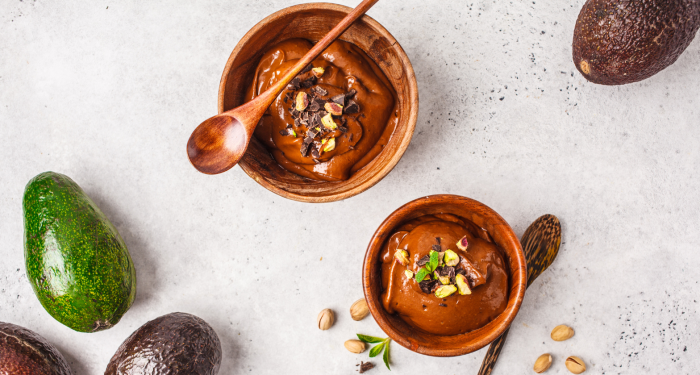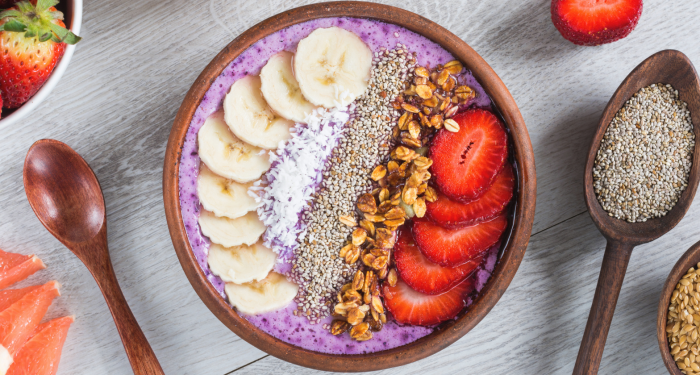
Refined eaters think texture first. What’s crunchy? What’s creamy? What’s juicy?
Most people think "refined taste" means expensive ingredients or mysterious foodie jargon.
In reality, it’s small, repeatable decisions you make at the grocery store and in your kitchen.
Here are seven choices that quietly signal you’ve trained your palate more than most people realize.
Let’s dive in.
1. Go seasonal
When you choose what’s in season, you’re choosing peak flavor with almost zero extra effort.
Tomatoes grown for August taste like sunshine; tomatoes grown for January taste like water with a red filter.
Buying seasonal produce also nudges you to cook a little differently each month, which keeps your palate curious instead of bored.
I don’t make the same roasted veggie bowl in April and in October.
In spring it’s peas, asparagus, and lemon zest.
In fall it’s sweet potatoes, mushrooms, and a darker miso.
Same template, different season, totally different flavor story.
“Tell me what you eat, and I will tell you what you are,” wrote Jean Anthelme Brillat-Savarin, an old line that still lands because choosing seasonal food turns “eating” into paying attention.
2. Welcome bitter
Refined taste isn’t just about sweet and salty pleasures.
It’s about range.
If you put radicchio, grapefruit, or unsweetened cacao in your cart on purpose, you’re playing in the part of the flavor spectrum most folks avoid.
Bitter makes everything else pop.
A handful of arugula under a warm grain bowl, a swipe of tahini on toast, a few sips of a strong coffee before breakfast, each one teaches your brain to notice nuance.
On a trip through Italy, I learned to drizzle a bitter, peppery olive oil over ripe peaches.
It shouldn’t work.
It does.
And after you try it, plain peaches taste a little flat.
3. Balance salt, acid, and heat
You don’t need a culinary degree to taste like a pro, but you do need to think like a sound engineer.
Salt is your volume knob, acid is your clarity button, and heat is your reverb.
A pinch of flaky salt right before serving, a squeeze of lemon over roasted veg, or a quick kiss of high heat in a skillet, these tiny adjustments turn “fine” into “wow.”
One of the simplest refinement moves is finishing a dish with acid.
If something tastes dull, my first question isn’t “add more salt?”, it’s “where’s the acid?”
Try vinegar on lentils, lime on avocado, or pickled onions on… well, almost anything.
As writer Michael Pollan famously distilled it, “Eat food. Not too much. Mostly plants.” His mantra works as a compass for turning up flavor without overcomplicating your plate.
4. Choose umami without apology
When you reach for ingredients like miso, tamari, dried mushrooms, sun-dried tomatoes, nutritional yeast, or a sheet of kombu, you’re not being fancy; you’re building depth.
Umami is that savory backbone that makes simple food taste complete.
My weeknight “cheat code” broth is water plus a spoon of white miso, a piece of kombu, and a few dried shiitakes.
Ten minutes later I’ve got a base that makes leftover rice, greens, and tofu feel like a bowl from a cozy neighborhood spot.
A refined palate isn’t about predicting every note; it’s about knowing how to add bass so the melody can shine.
If you’re plant-based (me too), umami is your best friend.
It does the heavy lifting that meat used to do in a lot of traditional recipes.
5. Prioritize texture like flavor
Most people stop at taste.
Refined eaters think texture first.
Crisp against creamy, juicy against crumbly, hot against cold, these contrasts create the “I can’t stop eating this” effect.
A chopped salad with shaved fennel, toasted almonds, and a few torn herbs is more interesting than a bowl of uniformly soft greens.
So is a bowl with crispy roasted chickpeas sitting on soft polenta, with a bright tomato relish on top.
When I’m building a plate, I ask three questions:
- What’s crunchy?
- What’s creamy?
- What’s juicy?
If the answers are all the same item, I start over.
It’s amazing how often a sprinkle of toasted seeds or a quick pan-crisp of tofu solves it.
6. Read labels, dodge noise
Refined taste is also about what you don’t buy.
You skip the marketing front and flip straight to the ingredient list.
Short, pronounceable, familiar? Great.
A paragraph of additives, “natural flavors,” and sweeteners playing hide-and-seek? Hard pass.
This isn’t about being strict.
It’s about knowing that ultra-processed foods are engineered to be loud in the first bite and forgettable by the third.
You end up chasing more flavor instead of building it.
Whole ingredients give you the quiet raw material to compose your own song.
It’s the difference between streaming an algorithmic playlist and curating a record shelf.
Both can be fun.
Only one teaches you what you actually love.
As the old culinary wisdom says, quality in, quality out.
Choose good beans and your chili sings.
Choose a decent olive oil and your simplest salad tastes like a chef touched it.
7. Plate with intention, eat with attention
Refined taste shows up in how you serve and how you chew.
A warm plate keeps a pasta silky instead of sticky.
A chilled bowl keeps a citrus salad snappy instead of sleepy.
A little height on the plate makes a simple dish feel special.
And then there’s the attention part.
If you inhale dinner while scrolling, your brain misses half the show.
A pause between bites gives your taste buds time to reset and catch the late notes, the whisper of smoke from the paprika, the sweetness that shows up after the heat, the olive oil’s peppery finish at the back of your throat.
At home, I sometimes plate bowls “restaurant style” even if it’s just me: grains at the base, veggies clockwise, protein at ten o’clock, sauce drizzled to connect it all.
It takes thirty extra seconds and flips a Tuesday into an occasion.
“Food is our common ground, a universal experience,” said James Beard.
Sharing a table, or even just sharing attention with yourself, amplifies flavor because context is an ingredient too.
Bonus: small choices that add up
A refined palate is usually a series of micro-decisions you make without bragging about them:
- You taste before you add.
- You salt early and finish late.
- You use citrus zest as often as juice.
- You keep a vinegar you love on your counter and actually use it.
- You stock herbs and cut them with a sharp knife so they smell like themselves.
- You buy dark chocolate that lists cocoa first.
- You toast your spices for sixty seconds and let the kitchen smell like vacation.
None of that is glamorous.
All of it compounds.
A quick personal checklist
This is the short list I keep on my phone for grocery runs and weeknight cooking.
It keeps my food choices honest, and it keeps them fun:
- Is at least one item seasonal?
- Do I have a bitter, an umami, and an acid covered?
- What’s my texture contrast?
- Could I swap one packaged thing for a whole ingredient?
- Have I seasoned in layers?
- Did I plan a garnish that brings color, crunch, or brightness?
- Am I going to sit down and actually taste this?
The bottom line
You don’t need rare truffles or a chef’s jacket.
If you make these seven choices today, you’re already eating with more intention and range than most people realize.
Refined taste isn’t a personality; it’s a practice.
That practice is available to you at the produce bin, the bulk aisle, and your own table.
Eat curiously.
Taste slowly.
Repeat.
If You Were a Healing Herb, Which Would You Be?
Each herb holds a unique kind of magic — soothing, awakening, grounding, or clarifying.
This 9-question quiz reveals the healing plant that mirrors your energy right now and what it says about your natural rhythm.
✨ Instant results. Deeply insightful.