Batch-cooked grains and detective-level label reading—plant-based life runs on systems, not willpower.
Ever watch a friend breeze through a steak-house menu, a red-eye flight, and your cousin’s barbecue and still finish with a colorful, animal-free feast—no fuss, no lectures? That’s vegan mastery in action.
Going vegan is downloading the meditation app; living vegan is actually sitting on the cushion.
It shows up in the tiny choices—reading shampoo labels, choosing a restaurant everyone enjoys, stuffing hemp-protein bites into the carry-on so hunger doesn’t hijack your mood.
After a decade of taste-testing food trucks from Austin to Tokyo and diving deep into behavioral science, I’ve spotted seven habits that make plant-based life look easy. Ready for the checklist?
1. Read labels like a detective
Last month I grabbed what looked like an innocent jar of pasta sauce during a late-night grocery run.
Back home, I noticed a tiny “contains whey” disclaimer hiding under the fold of the label—rookie mistake. Masters of vegan living treat packaging like evidence.
They scan for the usual suspects (casein, gelatin, carmine) but also the sneaky aliases—l-cysteine in bread, “natural flavors” in chips, shellac on shiny fruit.
Over time the habit gets so automatic you can clock an animal-derived additive faster than your phone can open an ingredient-checker app.
2. Meal-prep like it’s Tetris
Ever looked at Monday morning and wondered what on earth you’ll eat by Thursday?
Pros never wing it. They batch-cook grains, roast sheet-pans of veggies, and portion protein sources so lunches and dinners snap together like colorful blocks.
As productivity writer James Clear puts it, “You do not rise to the level of your goals. You fall to the level of your systems.”
A solid prep system saves brain-power for bigger questions—like which playlist pairs best with buffalo-cauliflower bowls (spoiler: 90s indie still rules).
3. Fill the plate with evidence-based variety
I’ve mentioned this before but it bears repeating: vegan mastery isn’t a beige mountain of pasta.
It’s color, texture, and nutrients working in concert.
Nutrition scientist T. Colin Campbell reminds us, “A plant-based diet is more likely to produce good health and to reduce sharply the risk of heart problems, cancer, diabetes, osteoporosis, gallstones, and kidney disease.”
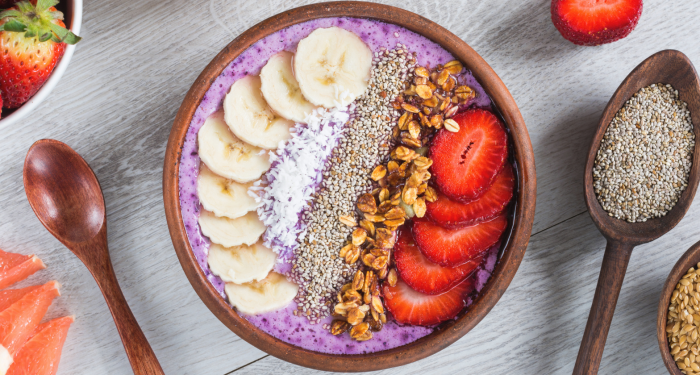
So masters chase variety—berries at breakfast, leafy greens at lunch, legumes at dinner, flax or chia sprinkled on literally everything.
I keep Dr. Greger’s Daily Dozen app pinned next to my to-do list; ticking off servings feels oddly satisfying.
4. Advocate without alienating
You don’t see level-seven vegans flipping tables at family BBQs.
Instead, they read the room, ask questions, and share resources only when curiosity opens the door. One trick: lead with your “why” (health, ethics, climate) rather than a lecture.
Offer to bring a killer dish—smoked carrot lox, anyone?—so curiosity and good flavors do the heavy lifting. Planting seeds beats burning bridges every time.
5. Thrive in non-vegan settings
On a work trip to Tokyo I ended up in a yakitori joint where the veggie skewer was…shishito peppers.
Instead of sulking, I pulled up a local vegan guide, found a ramen bar down the block, and rejoined the team afterward for karaoke—full belly, zero drama.
Masters treat airports, weddings, and roadside diners as quests, not obstacles: stash protein bars, scan menus for modifiable sides, and remember you can always eat again later.
Flexibility is the secret sauce.
6. Stay curious (and evidence-based)
Trends shift—remember the week everyone put aquafaba in their coffee? Masters keep learning, but filter hype through research.
Psychologist Melanie Joy nails the mindset: “Carnism is the belief system in which eating certain animals is considered ethical and appropriate.”
Recognizing hidden belief systems makes it easier to question marketing claims or sensational headlines.
My rule: if a study isn’t peer-reviewed or a product’s benefits rely on “proprietary blends,” I park it in the maybe pile until solid data appears.
7. Practice compassion—including toward yourself
Confession: I once devoured a maple donut on a road trip, then realized the glaze had honey.
Did the vegan police show up? Nope.
Masters use slip-ups as feedback, not ammo for self-flagellation. They remember the broader ethos—reducing harm—as a direction, not a purity contest.
Extend that kindness outward too: volunteer at a farmed-animal sanctuary, tip restaurant staff who customize your order, thank Aunt Linda for the accidental vegan salad she made “just in case.”
The bottom line
Count how many of these moves you’re already making.
Two or three? You’re leveling up fast.
All seven? Welcome to vegan endgame—now go mentor someone still hunting for dairy-free cheese that actually melts.
Because mastery isn’t a finish line; it’s a feedback loop of curiosity, preparation, and compassion that keeps spinning as long as we do.
What’s Your Plant-Powered Archetype?
Ever wonder what your everyday habits say about your deeper purpose—and how they ripple out to impact the planet?
This 90-second quiz reveals the plant-powered role you’re here to play, and the tiny shift that makes it even more powerful.
12 fun questions. Instant results. Surprisingly accurate.