Strip away the marketing from overnight oats and you're left with the same basic concept that cost maybe 50 cents per serving when it was just called soaking oats.
There's something ironic about walking past a trendy restaurant and seeing a $28 plate of beans and rice.
The same meal my grandmother made for pennies on the dollar is now being served on artisanal pottery with microgreens on top.
I've noticed this pattern everywhere. Foods that sustained working-class families for generations have been repackaged, renamed, and resold at premium prices to people who wouldn't have touched them a decade ago.
Today, we're looking at eight meals that tell this story perfectly.
1. Bone broth
My mom used to simmer chicken bones for hours because throwing them away felt wasteful.
She'd add some vegetables, herbs, and whatever else needed using up. We called it soup stock. It cost practically nothing to make.
Now? Walk into any health food cafe and you'll see bone broth selling for $8 a cup. Sometimes more.
The marketing has changed, but the recipe hasn't. It's still just bones, water, and time. The difference is that someone figured out how to sell necessity as luxury.
What families once made to stretch their grocery budget has become a wellness trend complete with claims about gut health and collagen. All true, by the way. But the benefits were there when it was just called soup stock too.
2. Grain bowls
Growing up, this was just called "using up leftovers."
You'd take whatever grain you had cooked too much of, add some vegetables that needed eating, maybe some protein if you were lucky, and call it dinner.
Rice bowls, quinoa bowls, farro bowls. They're all over upscale lunch menus now, priced between $15 and $25.
The concept is identical. Grain plus vegetables plus protein. But add some tahini drizzle and suddenly it's elevated cuisine.
I'm not knocking the creativity. Some of these combinations are genuinely delicious. But let's not pretend this is revolutionary cooking. This is how people have been eating affordably for centuries.
3. Braised short ribs
Short ribs used to be the cut of meat you bought when you couldn't afford the good stuff.
They're tough. They need hours of slow cooking to become tender. But when you have more time than money, that's not a problem. You just start dinner earlier.
My uncle would braise them with whatever wine was cheapest at the corner store. The alcohol would cook off, and you'd end up with meat that fell off the bone.
Now short ribs appear on fine dining menus for $35 or more per plate. The exact same preparation. Same cheap cut of meat. Same long cooking time.
The only difference? The restaurant adds truffle oil and charges you for the ambiance.
4. Shakshuka
This one hits close to home because I ate versions of this growing up without knowing it had a name.
Eggs poached in tomato sauce. That's it. You could dress it up with peppers and spices, but at its core, it's an incredibly simple dish designed to feed people inexpensively.
Many of the foods we now consider 'artisanal' or 'authentic' were simply the foods of the poor, made special by necessity and creativity.
Walk into a brunch spot in any major city and you'll find shakshuka on the menu for $18 to $25. Sometimes it comes with fancy bread. Sometimes the eggs are from heritage chickens. But mostly, it's just eggs and tomato sauce.
The appeal makes sense. It's photogenic. It's got an exotic-sounding name. It feels special. But families have been making this exact dish for generations because it was cheap and filling.
5. Polenta
Cornmeal mush. That's what my friend's Italian grandmother called it.
You boil cornmeal in water or milk, add some salt, maybe some butter if you had it. It kept you full when there wasn't much else in the pantry.
Now polenta appears as a base for $30 entrees at Italian restaurants. They top it with wild mushrooms or braised meats and charge accordingly.
The polenta itself still costs pennies to make. A bag of cornmeal runs you a couple of dollars and makes enough for a week of meals. But serve it on a white tablecloth and suddenly it's worth ten times that.
I've mentioned this before, but the psychology of food pricing fascinates me. We assign value based on context more than ingredients.
6. Pho
This Vietnamese soup has an interesting story.
In Vietnam, pho was street food. Cheap, filling, available everywhere. Vietnamese families in America continued making it at home because the ingredients were affordable and it reminded them of home.
Then pho restaurants started popping up in trendy neighborhoods. Food bloggers discovered it. And suddenly bowls that cost $5 in working-class areas were selling for $20 in upscale districts.
The recipe didn't change. The hours of simmering the broth didn't change. What changed was who was buying it and where.
This speaks to the power of food trends and authenticity at restaurants rather than in someone's kitchen. Pho is still affordable at family-run establishments. But once it gets picked up by the restaurant scene, the prices adjust accordingly.
7. Overnight oats
Do you remember when this was just called soaking oats?
My grandmother did this because our stove was unreliable. You'd mix oats with milk the night before, maybe add some cinnamon, and by morning you had breakfast ready.
Cost per serving? Maybe 50 cents if you were being generous.
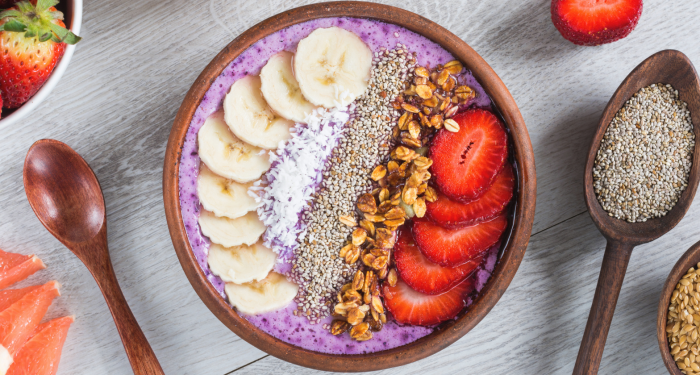
Now coffee shops sell mason jars of overnight oats for $8 to $12. They add chia seeds and call it a superfood bowl. They use fancy milk alternatives and top it with expensive berries.
But strip away the marketing and you're left with the same basic concept. Oats soaked overnight because it's convenient and cheap.
8. Fermented vegetables
Pickling and fermenting vegetables wasn't a hobby when I was growing up. It was preservation.
You had too many cucumbers or too much cabbage, and you needed them to last through winter. So you fermented them. Sauerkraut, pickles, kimchi if you knew how.
The process cost almost nothing. Salt, water, time. That's basically it.
Now artisanal pickle companies sell jars of fermented vegetables for $15 each. Restaurants charge $12 for a small plate of house-made kimchi. The wellness industry promotes gut health benefits that people have known about for centuries.
None of this is wrong. Fermented foods are genuinely good for you. Small batch production does involve labor. But let's acknowledge that these weren't luxury items originally. They were what you made when you couldn't afford to waste food.
The bottom line
Looking at this list, a pattern emerges pretty clearly.
The foods that kept families fed on tight budgets have been rebranded as culinary experiences. Simple preparations born from necessity are now celebrated as artisanal techniques.
I'm not saying restaurants shouldn't charge what they need to stay in business. Labor costs money. So does rent in trendy neighborhoods. And there's value in someone else doing the cooking.
But it's worth remembering where these dishes came from. They weren't created by chefs in test kitchens. They were created by people trying to feed their families with whatever they had.
The next time you see a $25 plate of something your grandmother made for pocket change, appreciate it for what it is. Good food that's always been good food, regardless of the price tag.
What’s Your Plant-Powered Archetype?
Ever wonder what your everyday habits say about your deeper purpose—and how they ripple out to impact the planet?
This 90-second quiz reveals the plant-powered role you’re here to play, and the tiny shift that makes it even more powerful.
12 fun questions. Instant results. Surprisingly accurate.