Some vegan labels hide more oil, sugar, and salt than you'd ever guess from the front of the package.

Add VegOut to your Google News feed. 
Going plant-based does a lot of good.
But let’s be honest—some products wearing a green “vegan” halo are just junk food in different packaging.
I’m not here to gatekeep anyone’s journey or shame comfort foods. I eat convenience stuff sometimes too. I just want you to see the label without the marketing fog so you can make choices that actually align with your goals.
Let’s get into the 10 big culprits I see most often.
1. Ultra-processed meat alternatives
Burgers, nuggets, sausages—if they come from a box and read like a chemistry set, they’re closer to “science project” than plants. The protein is real, sure, but so are the sodium, flavorings, and oils.
As nutrition researcher Frank Hu put it, “Being plant-based doesn’t necessarily mean it’s healthier.”
What I do instead: I treat these like I would any fast food—an occasional bridge food, not the foundation.
On weekdays I batch-cook a tray of smoky roasted chickpeas or lentil-walnut taco crumble and keep it in the fridge for easy protein.
2. Coconut oil-based cheese
Most non-dairy “cheese” gets its melt from coconut oil. That means a big hit of saturated fat—often more than the dairy versions you’re replacing.
Texture-wise? Chef’s kiss. Cardiometabolic-wise? Maybe not your best everyday move.
What I do instead: Save the stretchy pizza cheese for Friday night.
For daily sandwiches and bowls, I lean on hummus, tofu feta, or a quick cashew parm blitzed with nutritional yeast and salt.
3. Plant-based butter spreads
A lot of these are basically whipped saturated fat (palm or coconut) plus emulsifiers.
The label may say “made with olive oil,” but check the ingredient order—the heart-healthy oil is often a cameo, not the star.
What I do instead: I cook with olive or avocado oil, use tahini or nut butters on toast, and keep buttery spreads as a sometimes-food. Your toast will still be happy.
4. Packaged cookies, pastries
Vegan donuts and cookies absolutely slap. But they’re still white flour, added sugar, and refined oils. Slapping a “dairy-free” sticker on a cupcake doesn’t turn it into a multivitamin.
What I do instead: If I want something sweet on a workday, I’ll bake a quick oat-banana-cocoa cookie tray with minimal sugar.
Weekends? I enjoy the bakery treat and move on—no moral math.
5. Agave, date syrup, coconut sugar
“Natural” doesn’t equal “neutral.” Agave is mostly fructose. Date syrup and coconut sugar sound wholesome, but your body still recognizes them as added sugars.
Swap one for another and you might only be swapping the story you tell yourself.
What I do instead: I sweeten less, not just differently. A little maple syrup goes a long way when you also add vanilla, cinnamon, or citrus zest.
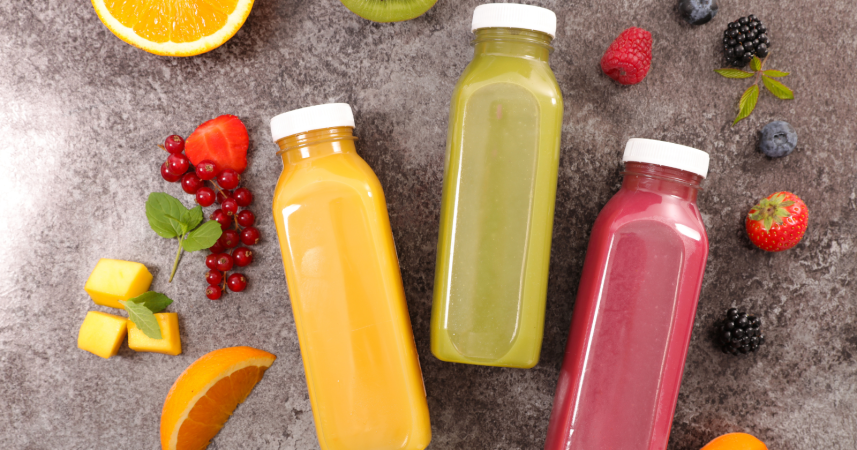
6. Fruit juice, juice cleanses
Juice removes the braking system—fiber—and delivers sugar in a swift, sippable shot. That’s why a tall glass can leave you hungrier than when you started.
The World Health Organization is clear: “In both adults and children, the intake of free sugars should be reduced to less than 10% of total energy intake.”
What I do instead: Eat the fruit.
If you love juice, pour a small glass with a meal or go 50/50 with sparkling water.
I also blend whole-fruit smoothies with extra chia or oats to slow things down.
7. Energy drinks
Yes, they’re dairy-free. They’re also sugar bombs or artificial-sweetener bombs with a caffeine kicker and sometimes extra stimulants.
I used to grab these before late-night writing sessions (music-blogger habits die hard), and the crash the next day always cost me more than the boost gave.
What I do instead: Cold brew over ice with a dash of plant milk. Or green tea in the afternoon. Still caffeinated, fewer weird extras.
8. Protein bars, shakes
Not all, but many bars and ready-to-drink shakes are candy in gym clothes—isolates, syrups, sugar alcohols, artificial flavors, and a surprising amount of saturated fat if they’re held together with palm oil.
They’re convenient, but they’re not a free pass.
What I do instead: When I’m traveling, I’ll pack a minimalist bar with short ingredients or bring a small bag of roasted soy nuts.
At home, I blend a smoothie with soy milk, fruit, and flax, then add a clean, unsweetened protein powder if I actually need it.
9. Instant noodles, ramen cups
The label might say vegan. The nutrition panel still says salty. Soups and noodle cups can sneak in a day’s worth of sodium before you’ve even thought about dinner.
The American Heart Association sums it up: “More than 70% of the sodium we consume comes from packaged, prepared and restaurant foods.”
What I do instead: I riff at home—quick-boil noodles, pour over miso-ginger paste, toss in frozen edamame, spinach, and scallions.
Ten minutes. Way less sodium. Way more control.
10. Veggie chips, gluten-free puffs
I love a crunchy snack, but “made with veggies” usually means a dusting of spinach powder on top of starch and oil.
Gluten-free doesn’t automatically mean better either—it often means more refined starches to replace the gluten’s texture.
What I do instead: If I want chips, I buy good chips and enjoy a portion. Other days I air-pop popcorn and toss it with olive oil, smoked paprika, and salt. Crunch achieved. Budget saved.
A few patterns worth keeping in mind:
-
Health halo effect. I’ve mentioned this before, but packaging and buzzwords nudge our brains. “Vegan,” “natural,” and “plant-based” can short-circuit scrutiny. If a product is heavily marketed for being healthy, I read the back first.
-
Ingredient lists tell stories. If oil, sugar, and salt show up early and often, that’s the story.
-
Fiber is your friend. If a product removes it (juice) or never had much to begin with (white-flour pastries), it probably won’t keep you satisfied.
-
Sodium is stealthy. It’s not the pinch at the table; it’s the factories and restaurant kitchens doing the heavy lifting. That’s why cooking once or twice a week shifts the whole week’s average.
-
“Swap the habit, not just the product.” If nightly ice cream became nightly vegan ice cream, you changed the label, not the loop. Change the loop—how often, how much, what role it plays.
Travel has taught me this too.
In Lisbon I fell hard for simple meals—grilled veg, beans, crusty bread, olive oil, a salad that looked like a garden.
Nothing fancy, but every bite had a job: flavor, fiber, satisfaction. You can build that at home without chasing the newest plant-based “drop.”
To be crystal clear, none of this is a purity test. Celebrate the abundance of plant-based options, enjoy the treats that bring you joy, and also notice which products quietly nudge you away from how you want to feel.
The goal isn’t perfection. It’s awareness you can act on.
If you want an easy next step, pick one aisle you over-rely on—bars, frozen entrées, or bottled drinks—and set a “two-a-week” budget for it. Fill the space with simple, high-return staples: canned beans, frozen berries, quick-cook grains, tofu, big leafy greens.
Your future self (and your grocery bill) will say thanks.
What’s Your Plant-Powered Archetype?
Ever wonder what your everyday habits say about your deeper purpose—and how they ripple out to impact the planet?
This 90-second quiz reveals the plant-powered role you’re here to play, and the tiny shift that makes it even more powerful.
12 fun questions. Instant results. Surprisingly accurate.