When money gets tight, flavor doesn’t have to. These ten dinners stretch a small grocery run into a week of good meals.

Add VegOut to your Google News feed. 
When money gets weird, dinner becomes a test of creativity.
I grew up watching friends’ families (and later, my own apartment) stretch a small grocery run into a full week of satisfying meals.
These are the ten budget dinners that showed up again and again—fast, filling, flexible, and unfussy. I’ll share plant-based swaps where it helps, because eating well on a budget and eating more plants can absolutely be the same thing.
1. Beans and rice
Is there a more iconic budget duo?
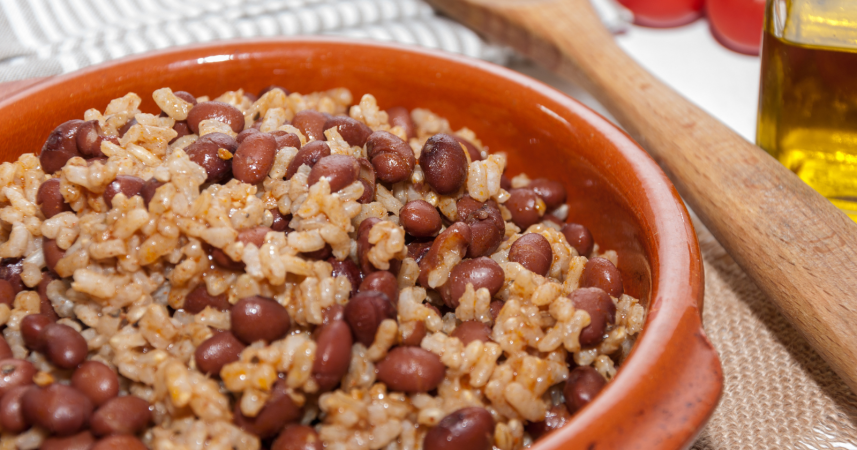
A pot of beans, a pot of rice, and a skillet for onions, garlic, and spices. That’s dinner, plus leftovers that taste better tomorrow. I keep it simple with black beans, a squeeze of lime, and cumin.
When I want it to feel special, I’ll do a quick salsa from canned tomatoes, a chopped jalapeño, and cilantro stems (don’t toss them).
Vegan twist: finish with olive oil for richness and a handful of frozen corn. If you have an avocado that’s on its last legs, mash it with salt and a splash of vinegar—instant “crema.”
2. Pasta with pantry sauce
This saved my Tuesday nights more times than I can count.
Sweat an onion, add garlic, tomato paste, and a splash of whatever you’re drinking—water is fine, red wine if you have it. Simmer with a can of crushed tomatoes and a spoon of sugar to balance acidity.
Toss with spaghetti and finish with chili flakes. If you’re not vegan, a dusting of parm; if you are, toasted breadcrumbs do that same salty-crunchy magic.
I’ve mentioned this before but the habit that really changes the game is salting pasta water properly. It turns “cheap” noodles into something that tastes like a decision, not a compromise.
3. Breakfast-for-dinner
The most democratic dinner of them all.
Pancakes, oatmeal, or a skillet of hash—breakfast-for-dinner fixes low energy, low budgets, and low morale.
My go-to is crispy potatoes with whatever veg is around (peppers, onion, kale), then I fold in chickpeas or crumble firm tofu with turmeric and pepper for a quick scramble.
Serve with toast and hot sauce. If there’s fruit in the house, slice it. The ritual of plating breakfast at night is half the comfort.
4. Lentil soup and bread
“Eat food, not too much, mostly plants.” That Michael Pollan line comes to mind when I make lentil soup—cheap, hearty, and nutritionally generous.
Red lentils cook fast; green or brown keep their shape. Start with onion-carrot-celery if you have them, or just onion and garlic if you don’t. Add lentils, water or broth, a bay leaf, and a spoon of vinegar at the end to wake it up.
Tear up stale bread and toast it in a pan with oil and salt for DIY croutons. If you’re working with a near-empty fridge, a lemon wedge and cracked pepper make it feel like café food.
5. Baked potatoes with a “bar” of toppings
Baked potatoes are a wallet’s best friend.
Throw a tray of russets (or sweet potatoes) into the oven, and while they bake, set up a tiny toppings bar: margarine or olive oil, chopped scallions, leftover chili, beans, frozen peas, or the last scoop of hummus.
A can of white beans warmed with rosemary and garlic turns a simple spud into a full meal.
No oven? Microwave the potato until tender, then pan-crisp the skin with oil and salt for that satisfying snap.
6. Fried rice with odds and ends
This is where leftovers get their second act.
Day-old rice, a hot pan, and a splash of soy sauce turn scraps into takeout energy. I cook the aromatics first (garlic, ginger), add the hard veggies (carrots, frozen green beans), then the rice.
A drizzle of toasted sesame oil at the end plus sliced scallions and a handful of edamame if I’ve got them in the freezer.
Pro move: spread the rice out to let it actually fry. That little bit of char on the grains is flavor you didn’t have to pay for.
7. Big salad with a protein and toast
When cash is tight, produce can feel risky. The trick is building salads from sturdy players: cabbage, carrots, kale, chickpeas.
Shred cabbage, add a grated carrot, toss with chickpeas and a quick dressing (mustard + oil + vinegar + pinch of sugar + salt). Pile onto toast rubbed with garlic.
If you have seeds or nuts, sprinkle a few for crunch.
I’ll add roasted sweet potato rounds if the oven’s already on. This is weeknight bistro food that costs a couple of bucks and leaves you energized instead of sluggish.
8. Peanut noodles
Noodles, peanut butter, soy sauce, a little sweet, a little acid. That’s the formula.
Whisk 2 tablespoons peanut butter with 1 tablespoon soy sauce, 1 teaspoon sugar, a splash of vinegar or lime, and chili flakes. Loosen with hot noodle water until glossy. Toss with spaghetti or ramen and any green thing—frozen broccoli, sliced cucumber, shredded lettuce.
It’s balanced, protein-rich, and ridiculously satisfying. If you’re nut-free, sunflower seed butter works. For extra protein, pan-crisp tofu cubes and add them at the end.
9. Sheet-pan roast “whatever”
One pan. One temperature. Many dinners.
Toss chopped root veg (potatoes, carrots, onions) with oil, salt, and spices—paprika, garlic powder, dried thyme. Roast until caramelized and crispy at the edges. If your budget stretches to it, add chickpeas to the tray for the last 15 minutes.
Serve with a quick sauce: yogurt + lemon + dill if you do dairy, or tahini + lemon + water + salt if you don’t. Leftovers turn into wraps or grain bowls the next day. This is the dinner that taught me patience pays—flavor happens while you do nothing.
10. “Clean-out-the-fridge” chili
Chili is the great equalizer.
Start with onions and garlic. Add chili powder and cumin to bloom the spices. Pour in a can of tomatoes, add a can or two of beans, and then make smart additions: a spoon of cocoa powder for depth, a splash of coffee if there’s some left, chopped bell pepper if it needs using.
Simmer until it tastes like you meant it. Serve over rice, on a baked potato, or with toast. Freeze the extra. Future-you will be delighted to discover dinner you already paid for.
A few habits made these dinners work when budgets were tight (and still do now):
-
Buy versatile staples. Dry beans, rice, lentils, pasta, onions, canned tomatoes, peanut butter, soy sauce. With those in your kitchen, you can improvise all week.
-
Lean on the freezer. Frozen veg is often cheaper, just as nutritious, and doesn’t go sad in the crisper.
-
Use your senses. As Wendell Berry famously wrote, “Eating is an agricultural act,” a reminder that our choices at the table ripple outward. Cooking simple food at home is more than thrift—it’s agency. “Eating is an agricultural act.”
-
Season with acid. A squeeze of lemon, a spoon of vinegar, or even pickle brine can make a $3 meal taste like a $13 meal.
-
Toast something. Nuts, seeds, breadcrumbs, even spices—heat unlocks flavor, and it costs pennies.
If you’re reading this and thinking, “Okay, but will this actually taste good?”—I get it. The secret is that “budget” and “boring” are not synonyms. With technique (salt your water, brown your onions a little longer, finish with acid) and a few cheap boosters (chili oil, sesame seeds, limes), you can make modest ingredients feel classy.
And if you’re plant-curious or fully vegan, these dinners are not just doable—they’re naturals. Legumes are inexpensive and filling, and grains are the backbone of almost every cuisine that has fed families through lean seasons.
When the goal is to eat well without stress, plants do a lot of heavy lifting for less money.
One last thought: home cooking is a life skill, not a luxury hobby. It’s also a quiet way of taking care of future-you—every leftover container is time you put in the bank.
Nights will still be busy, paychecks will still get stretched, but you’ll have a few reliable moves that turn “What’s for dinner?” into “We’ve got this.”
As Pollan put it—and this is the line I come back to when decisions feel complicated—“Eat food, not too much, mostly plants.” It’s frugal. It’s flexible. And it scales beautifully when money is tight.
That’s dinner. Your move.