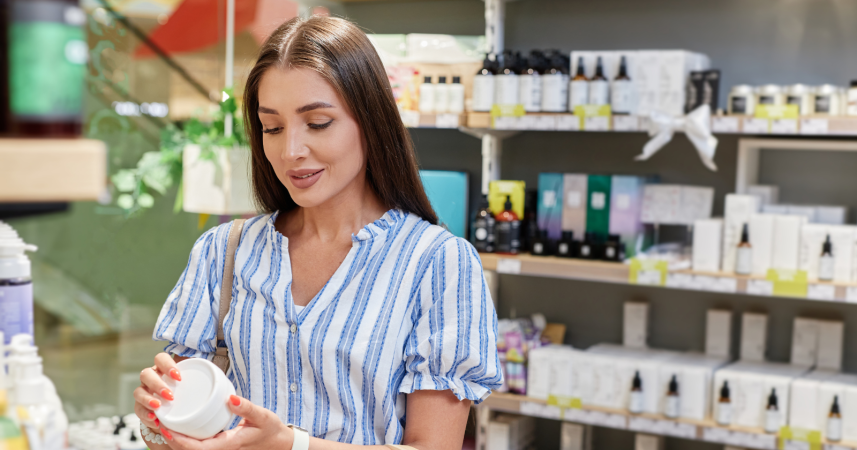
The beauty aisle might look plant-friendly—but are your products hiding ingredients that aren’t as vegan as they seem?

Add VegOut to your Google News feed. 
I went vegan in the kitchen first. It started with enchiladas—cheesy, creamy, chile-drenched—except this time, I made them dairy-free.
Then came tamales at the holidays. Then my mom’s arroz con leche, now with oat milk and a pinch of nostalgia. I was shifting more than ingredients—I was reshaping tradition with new care.
But my bathroom shelf? That came later. I hadn’t considered that the same values guiding what I ate should apply to what I wore on my face.
The lipstick I loved, the blush that lit up my cheeks, the shimmer I swept across my lids without thinking—they might not be vegan, even if they never claimed to be.
Because here's the thing: beauty labels are confusing. “Cruelty-free” doesn’t always mean no animals were involved. “Natural” isn’t the same as plant-based. And even products that seem clean can be hiding animal byproducts with names most of us can't pronounce.
Let’s break down the biggest culprits still showing up in makeup today—and learn how to spot them before they land in your cart.
Why animal ingredients still show up in makeup
Cosmetics companies have relied on animal-derived ingredients for generations. They're used to add color, create shimmer, bind formulas, or add a silky finish.
Sometimes they’re chosen because they’re cheap. Sometimes just because they’re familiar.
But with plant-based tech more advanced than ever, these animal ingredients are no longer necessary.
And yet—they remain. Hidden behind scientific-sounding names, tucked into ingredient lists that require decoding.
The result? A lot of well-intentioned shoppers using products that don’t align with their ethics.
Here are seven common ingredients to look out for, and how to replace them with plant-powered alternatives.
1. Carmine
Carmine is one of the oldest red pigments in cosmetics—and one of the most misunderstood. It’s made by boiling and crushing cochineal beetles, producing a rich, vibrant dye. The process requires tens of thousands of insects to make a single pound of pigment.
Despite its natural origins, carmine is far from vegan. It’s still widely used in high-end and drugstore makeup alike, especially when brands want a rich pink or red tone without turning to synthetic dyes.
Found in: Lipsticks, blushes, eyeshadows, tinted moisturizers, nail polishes
Label tip: Look for carmine, cochineal, CI 75470, natural red 4
Plant-based swaps: Beetroot powder, red radish extract, synthetic or bio-identical dyes (vegan-certified)
2. Lanolin
Lanolin is a waxy emollient extracted from sheep’s wool—specifically, it comes from the oil glands in their skin. It’s used to soften, smooth, and lock in moisture, and you’ll find it in everything from lip treatments to mascara.
But its sourcing raises ethical questions: commercial shearing can be rough, and wool itself is not vegan.
Lanolin alternatives exist that are equally effective—and entirely plant-derived.
Found in: Lip balms, moisturizers, mascara, foundation for dry skin
Label tip: Look for lanolin, adeps lanae, wool wax, or isopropyl lanolate
Plant-based swaps: Shea butter, jojoba oil, cocoa butter, sunflower seed oil
3. Beeswax (Cera alba)
Beeswax gives structure and stability to many makeup products. It helps lipstick keep its shape and mascara coat lashes smoothly.
But behind that convenience is an extractive process that disrupts bee ecosystems—a problem in a world already facing pollinator decline.
While beeswax might seem benign, its scale in cosmetics adds up. And with waxes from plants offering similar texture, it’s an easy swap once you know what to look for.
Found in: Lip balms, lipsticks, cream-based makeup, brow gels, mascaras
Label tip: Look for beeswax, cera alba, cera flava
Plant-based swaps: Candelilla wax, carnauba wax, sunflower wax, rice bran wax
4. Shellac
This one’s unexpected: shellac is a shiny resin made from the secretions of the lac bug, harvested from trees in Southeast Asia. It’s processed into flakes or liquid form and used to create glossy finishes in beauty products—especially nails and mascara.
What seems like a harmless polish enhancer actually involves large-scale harvesting of insects, often scraped directly from trees, and extensive processing to turn bug resin into shine.
Found in: Nail polish, mascara, hair sprays, high-gloss lip products
Label tip: Look for shellac, lac resin, resinous glaze, E904
Plant-based swaps: Synthetic resins, sugar-based polymers, or bio-based glosses
5. Collagen
Collagen is often touted as a beauty booster, promising plumper skin and smoother texture.
But most cosmetic collagen comes from animal connective tissue—typically cows, pigs, or fish. While it sounds nourishing, it’s usually broken down into small proteins (hydrolyzed collagen) and added for marketing appeal rather than functional results.
Vegan-friendly collagen doesn’t require any animal parts—and focuses instead on encouraging your skin’s own production.
Found in: Anti-aging creams, primers, foundation, serums, face masks
Label tip: Look for collagen, hydrolyzed collagen, marine collagen
Plant-based swaps: Algae extract, amino acids, peptides, hyaluronic acid
6. Keratin
Used for its strengthening and smoothing abilities, keratin is commonly derived from animal horns, hooves, feathers, and hair.
Though it’s more famous in haircare, it also shows up in lash products, brow gels, and mascaras, especially those marketed as “fortifying.”
The reality? These byproducts are sourced from industrial animal systems—meaning your lash serum might be more hoof than herb.
Found in: Mascaras, lash serums, brow gels, hair treatments
Label tip: Look for keratin, hydrolyzed keratin, keratose, ox keratin
Plant-based swaps: Bamboo extract, quinoa protein, pea protein, panthenol
7. Guanine
Guanine adds shimmer to makeup—but it’s made from fish scales. The scales are scraped, soaked in alcohol, and crystallized to create a pearlescent pigment.
It’s still used in many highlighters and eye products for its natural luster, but plant-based shimmer options are now widely available.
Just because it sparkles doesn’t mean it’s cruelty-free.
Found in: Highlighters, shimmer eyeshadows, lip glosses, nail polish
Label tip: Look for guanine, pearl essence, CI 75170
Plant-based swaps: Mica (ethically sourced), mineral pigments, biodegradable glitters
How to build a truly vegan makeup bag
So you’re ready to align your makeup routine with your values? Here’s a simple path forward—no pressure to be perfect, just progress.
Step 1: Audit what you own
Start by checking your everyday favorites. Look up unfamiliar ingredients and see if any of the seven above appear.
Step 2: Make intentional swaps
As you run out of products, replace them with verified vegan alternatives. Focus on categories where animal ingredients show up most: lip color, mascara, highlighters.
Step 3: Look for trusted certifications
Certifications like Certified Vegan, Leaping Bunny, and PETA’s Global Beauty Without Bunnies take out the guesswork.
Step 4: Stick with brands that align
Seek out companies that lead with transparency, show their full ingredient list, and explain their ethics. Bonus if they’re woman-, BIPOC-, or queer-owned and environmentally conscious.
Why it matters: Beyond makeup
Vegan beauty isn’t just about avoiding bugs or byproducts. It’s about rethinking supply chains, challenging outdated standards, and choosing compassion over convenience.
Many of these animal-derived ingredients are tied to industrial farming systems that harm animals and pollute our planet. By opting for vegan formulas, you’re pushing for better—not just for yourself, but for every living being affected by those choices.
This shift, for me, didn’t happen overnight. But every blush pan, balm tube, and mascara wand I replaced became a quiet vote for change.
Final swipe: Beauty without sacrifice
You don’t have to compromise your glow to stay aligned with your values. In fact, it might shine even brighter.
With more brands offering high-performance, fully vegan makeup, the options today are more inclusive, innovative, and exciting than ever. You’ve got the tools, the knowledge, and the power to choose differently.
So next time you swipe on a red lip or blend out your highlighter, you’ll know exactly what went into it—and what didn’t.
What’s Your Plant-Powered Archetype?
Ever wonder what your everyday habits say about your deeper purpose—and how they ripple out to impact the planet?
This 90-second quiz reveals the plant-powered role you’re here to play, and the tiny shift that makes it even more powerful.
12 fun questions. Instant results. Surprisingly accurate.