Uniqlo’s global rise says a lot about how our wardrobes and our definition of mindful shopping are quietly changing.

Add VegOut to your Google News feed. 
Uniqlo has quietly become a global phenomenon. Once seen as a modest Japanese basics brand, it’s now setting up shop on every major Western high street.
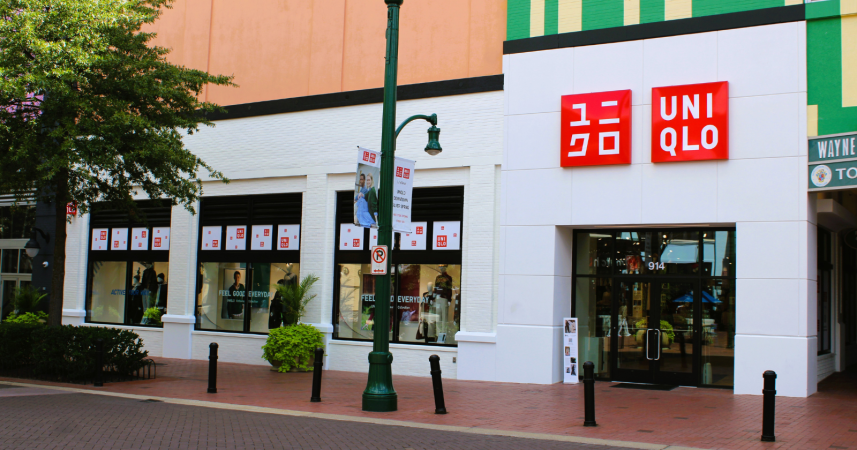
You can spot those red-and-white signs glowing in city centers from London to Los Angeles, drawing in crowds that used to line up outside Zara or H&M.
There’s something fascinating about its rise. While other brands chase trends and micro-seasons, Uniqlo leans into quiet consistency with neutral palettes, functional fabrics, and prices that feel attainable without the chaos of fast fashion. It’s as if the brand built a cult around simplicity itself.
I gave up fast fashion years ago, yet Uniqlo remains the one store I still step into. That decision says a lot about how my relationship with clothes and the idea of conscious consumption has evolved.
Why I gave up fast fashion
For most of my twenties, shopping felt like a hobby. I’d scroll through new arrivals, fill virtual carts, and convince myself I was “refreshing” my wardrobe.
The reality was that I owned piles of clothes I barely wore. I started learning about where those clothes came from — factories producing massive quantities under pressure, garments made to last a season instead of a decade — and I couldn’t unsee it.
At first, quitting fast fashion felt like a moral decision. I wanted to align my spending with my values, to make sure my clothes told a story I could stand behind.
But it quickly turned into something more practical. I realized how much energy I’d wasted chasing trends that disappeared before I even had a chance to enjoy them. I wanted to build a wardrobe that felt calm and consistent, something that worked in real life, not just in ads.
What makes Uniqlo stand out
There’s a reason so many people, myself included, still walk into Uniqlo with a sense of purpose. The brand has built an identity around longevity rather than hype.
Their Ultra Light Down jackets, HeatTech thermals, and Supima cotton tees have reached near-iconic status for being dependable, not disposable. You’ll find office workers, students, and retirees all wearing the same simple staples in different ways, and somehow it works for everyone.
Unlike many fast-fashion chains, Uniqlo doesn’t flood stores with constant new collections. Their focus is on refinement — making the same items better year after year.
Their collaboration lines with designers like Jil Sander and Ines de la Fressange blend practicality with understated luxury. Even the AIRism range, built around breathable fabrics, feels designed for long-term use rather than short-lived novelty.
Sure, the company still operates at a massive scale, and there’s no denying its environmental footprint. But if you compare its philosophy to brands that release new trends weekly, the difference is visible. Uniqlo’s appeal lies in its quiet reliability — it sells clothes that make sense, not statements.
Finding a balance that fits
I still remember the first time I bought something from Uniqlo after deciding to quit fast fashion. It was a black turtleneck from the HeatTech line. I told myself it was a one-time exception, something purely functional for winter layering.
But years later, that same turtleneck is still in rotation. The fabric hasn’t stretched out, the seams haven’t pulled, and I wear it every cold season without thinking twice.
I've bought many other items since then, and they've stood the test of time. My Ultra Light Down jacket folds into its own pouch, yet it’s handled five winters without losing its warmth. Their EZY ankle pants have become my go-to for travel because they're light, easy to style, and forgiving after a long flight.
That experience changed how I define mindful shopping. For me, it’s not about eliminating all mass-produced clothing. It’s about choosing what truly earns its place in my closet. If an item lasts through multiple seasons, fits comfortably, and doesn’t lose its shape after a handful of washes, that’s a small win.
I’m more deliberate now. I walk into Uniqlo maybe twice a year. I know what I’m there for, usually a fresh pack of Supima tees, a replacement pair of jeans, or a linen shirt that actually breathes in the summer heat.
These aren’t emotional purchases; they’re practical ones. That mindset shift, from buying on impulse to buying with intention, made all the difference.
How I approach buying less
The hardest part of conscious shopping isn’t saying no to trends. It’s redefining what “enough” means. I used to believe variety equaled style. Now, I see consistency as confidence.
When I stopped constantly browsing, I started appreciating what I already owned. I began repairing small tears, learning how to care for fabrics properly, and rotating my wardrobe with the seasons. Clothes started lasting longer simply because I was paying attention.
A friend once joked that Uniqlo is like the “hardware store” of fashion: you go there for the essentials that make everything else work.
That description stuck with me. Their clothes are the foundation, not the flair. I pair their basics with pieces from local designers or thrift finds, and I think it’s a combination that feels balanced and personal.
Conclusion: Redefining what conscious style looks like
Letting go of fast fashion changed how I see clothing. It stopped being about identity or status and started being about use and intention.
Uniqlo may not represent the pinnacle of sustainability, but for me, it represents a kind of middle ground — accessible, functional, and relatively transparent about its process. They’ve made small but steady improvements in fabric sourcing and recycling initiatives, and while it’s far from perfect, it’s progress in a better direction.
There’s no perfect formula for ethical fashion. But there are better choices, made one thoughtful purchase at a time. When I pull on my favorite Uniqlo sweater, I don’t feel like I’m compromising. I feel like I’ve finally learned how to build a wardrobe that respects both my lifestyle and my values.
If You Were a Healing Herb, Which Would You Be?
Each herb holds a unique kind of magic — soothing, awakening, grounding, or clarifying.
This 9-question quiz reveals the healing plant that mirrors your energy right now and what it says about your natural rhythm.
✨ Instant results. Deeply insightful.
Maya Flores
Maya Flores is a culinary writer and chef shaped by her family’s multigenerational taquería heritage. She crafts stories that capture the sensory experiences of cooking, exploring food through the lens of tradition and community. When she’s not cooking or writing, Maya loves pottery, hosting dinner gatherings, and exploring local food markets.
More Articles by Maya