
Refinement is quiet; outfits backed by good fit and simple upkeep quietly separate the polished from everyone else.

Add VegOut to your Google News feed. 
Crafting a polished presence isn’t about chasing trends.
It’s about a few quiet choices that do more heavy lifting than we give them credit for.
Here are six wardrobe essentials that consistently deliver that refined, put-together signal—without shouting for attention.
1) A jacket that actually fits
If there’s one piece that moves you from “decent” to “dialed,” it’s a jacket with clean lines and the right proportions.
I’m talking about an unstructured blazer or tailored chore coat in a neutral like navy, charcoal, olive, or stone.
Soft shoulders keep it modern.
Slight waist suppression keeps it sharp.
People thin-slice: In the first few seconds, our brains look for structure and coherence.
A good jacket creates that structure the same way a frame elevates a photograph.
It gives shape to the whole picture.
Fit matters more than fabric or brand.
Sleeves that stop at the wrist bone, a collar that hugs your neck, and a hem that covers your seat—these details tell a story of care.
Go unlined or half-lined if you run warm.
Textured weaves like hopsack or twill hide wrinkles, which means you look crisp even after a commute.
For example, if a traditional blazer seems too boardroom, try a cotton twill work jacket with clean hardware and a slightly longer cut.
Same polish, less stiffness.
2) Shirts with structure, not just shirts
A refined closet has shirts that hold their shape.
That can mean a crisp Oxford, a band-collar popover, or a fine-gauge knit polo.
The key is a collar that stands and a fabric with enough body to drape.
When your collar collapses or your polo curls, the whole outfit looks tired; when it stands, you look intentional.
I like a tight color palette here: white, ecru, pale blue, and one deep tone (ink, forest, or black).
That restraint lets texture and silhouette do the talking.
Two tweaks change everything.
First, sleeve length: Hit mid-biceps on polos and just at the wrist on long sleeves.
Second, hem shape: Curved hems are for tucking; straight hems can be worn out.
If you’re plant-based like me, there are beautiful non-animal fabrics—organic cotton, Tencel, and linen blends—that deliver structure without the stuffiness.
They wash well, breathe better than synthetics, and age gracefully.
3) Trousers that drape
Polished people don’t necessarily wear dress pants; they wear pants that fall cleanly.
You want a leg that skims, not squeezes.
A mid-rise that meets your shirt—not your ribcage—and a break (slight or none) that avoids puddling over your shoes.
Here’s the fast path: Pick a single pair of dark, non-shiny trousers with a sharp crease or a great drape—think wool-look twill, heavy cotton sateen, or a Tencel blend.
Then add one pair of straight-leg jeans in a clean rinse wash with minimal contrast stitching.
I learned this the hard way on a trip to Tokyo.
Everyone looked effortless as the common thread wasn’t brand, it was drape.
Pants moved as people moved.
No cling, no sag, no noise.
I took my jeans to a tailor for a small taper and a proper hem.
Overnight my outfits felt calmer.
If tailoring sounds intimidating, start with inseam and waist.
A clean hem and no waistband gapping will carry 80% of the polish.
Truthfully, a $40 pant that fits will outshine a $400 pant that doesn’t.
4) Footwear that earns quiet trust
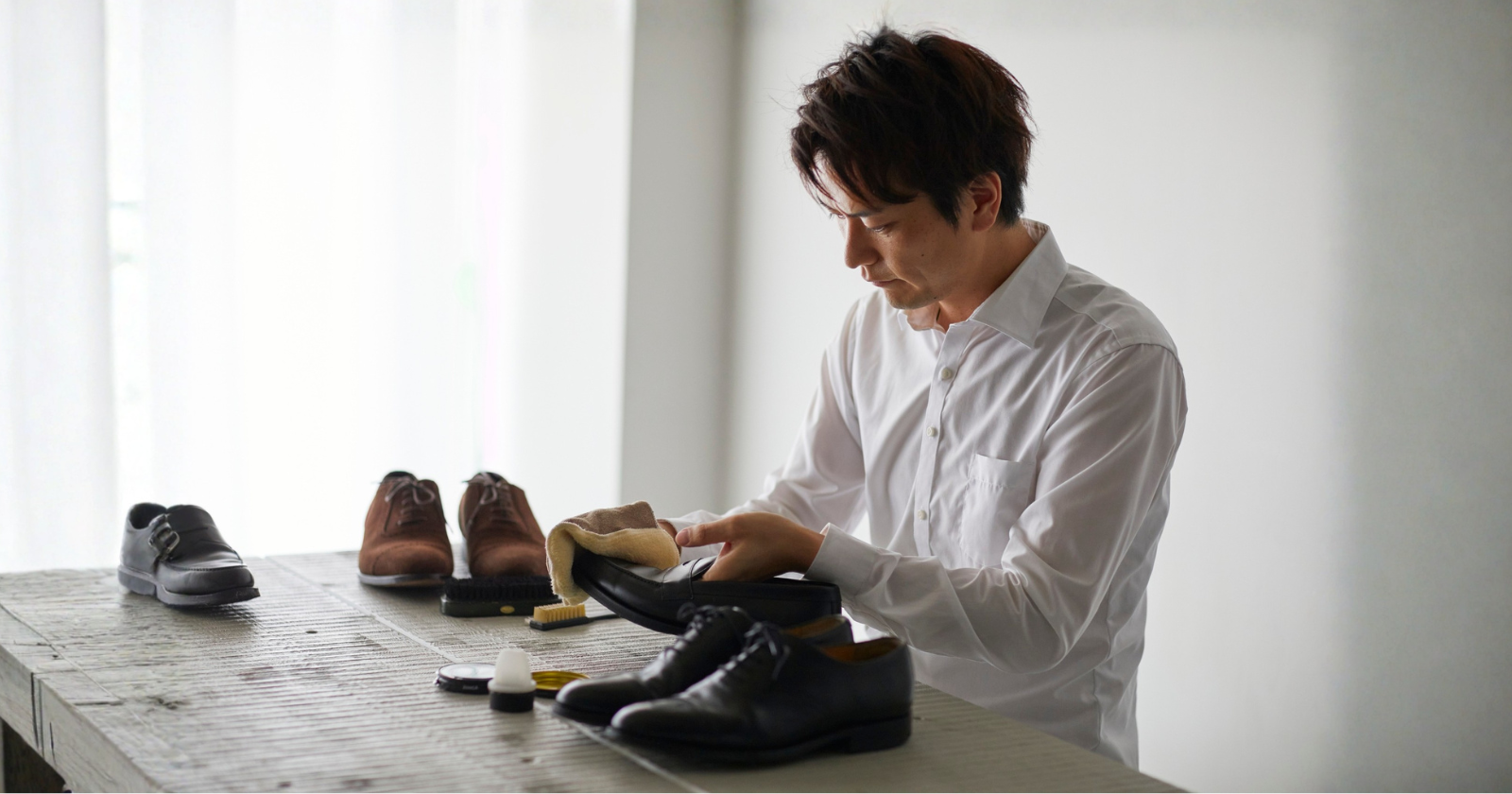
Shoes do two jobs—functional and social.
We notice them subconsciously because they tell us how someone treats the ground they walk on.
“Refined” isn’t code for formal.
It’s code for cared-for, clean lines, and appropriate to the setting.
Three reliable lanes:
- Minimal sneakers with a low profile and no giant logos.
- Sleek derbies or loafers in a matte finish (there are excellent non-leather options now).
- Simple boots with a slim shaft that slips under your trouser hem.
If you’re vegan like me, look at microfiber or plant-based leathers with stitched—not glued—soles.
They break in comfortably, polish up nicely, and avoid that plasticky shine that screams cheap.
What separates polished people here isn’t the label—it’s maintenance.
Brushed uppers, clean edges, laces that aren’t frayed, and a soft wipe after a dusty day.
Ten seconds of care keeps shoes in the “quiet luxury” lane.
One personal rule that’s saved me from many bad buys: if the sole is loud, the shoe usually is too.
Grippy trail lugs are for trails.
For city life, a slimmer sole whispers competence.
5) An outer layer with a point of view
Outerwear is the first thing people see and the last thing you take off.
It sets a tone before you say a word.
Pick one hero piece that matches your climate and lifestyle: a trench, a mac, a Harrington, a field jacket, or a clean parka.
Keep hardware minimal and the cut long enough to cover your jacket.
On weekend shoots, I wear a mid-weight field jacket with bellows pockets.
It holds lenses and cards, but it also frames a simple tee and trouser combo like a well-composed photo.
Form follows function—and good function reads as style.
Color again matters; camel, navy, olive, and black play well over almost everything.
If you crave personality, choose it in texture—brushed twill, compact gabardine, or a subtle ripstop—rather than neon.
The texture catches light and adds depth without feeling loud.
Fit check: Shoulders smooth, collar sitting flat, sleeves ending at the wrist bone, and hem no shorter than mid-seat.
When those boxes are ticked, even a basic raincoat looks intentional.
6) One or two quiet signatures
Polished people rarely wear a lot; they repeat a little.
A signature item turns your clothes into a story.
Think: A simple watch with a clean dial, a slim belt in a matte finish, a tote or messenger with crisp edges, clear-frame glasses, and a cap in wool twill.
None of these scream but, together, they create continuity.
I rotate a minimal field watch on a fabric strap and a black crossbody with just enough structure to keep its shape.
They’re not flashy, but they anchor everything from a tee and jeans to a blazer and trousers.
The psychology here is commitment: When we repeat an element, others read it as identity rather than accident.
It’s the sartorial version of a recurring theme in a favorite album.
You don’t notice it at first, but it keeps the tracklist cohesive.
If you’re unsure where to start, audit your week.
What do you carry? What do you touch most? Choose the cleaner, slightly higher-quality version of that exact thing and use it daily.
A stylish exit
Refinement is quiet.
Own one jacket that frames you, shirts with backbone, trousers that drape, shoes that read as cared-for, outerwear with a point, and one or two signatures that make it yours.
Put those on repeat and you’ll look polished in any room—no shouting required.
If You Were a Healing Herb, Which Would You Be?
Each herb holds a unique kind of magic — soothing, awakening, grounding, or clarifying.
This 9-question quiz reveals the healing plant that mirrors your energy right now and what it says about your natural rhythm.
✨ Instant results. Deeply insightful.

Jordan Cooper
Jordan Cooper is a pop-culture writer and vegan-snack reviewer with roots in music blogging. Known for approachable, insightful prose, Jordan connects modern trends—from K-pop choreography to kombucha fermentation—with thoughtful food commentary. In his downtime, he enjoys photography, experimenting with fermentation recipes, and discovering new indie music playlists.
More Articles by Jordan