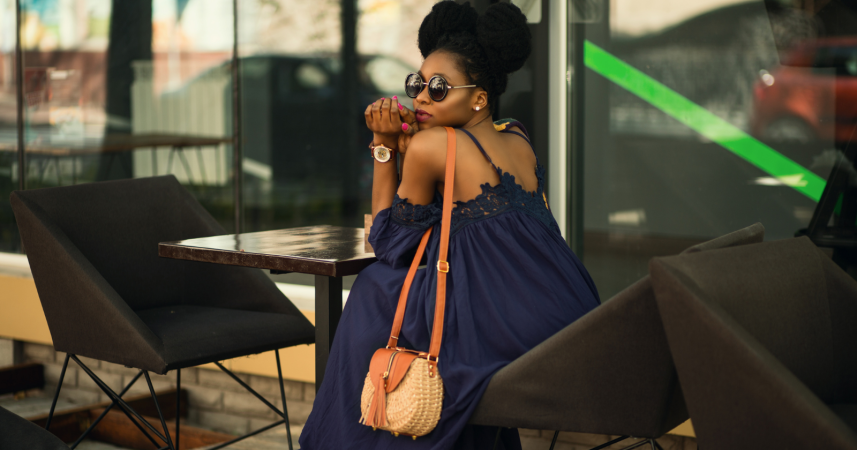
People who overdress for casual moments often aren’t showing off. They’re protecting something. Clothing becomes a shield for insecurities about being judged, overlooked, or not enough, revealing far more than the outfit itself.

Add VegOut to your Google News feed. 
Some people show up to a relaxed backyard hangout dressed as if the moment is far more important than it actually is.
You notice it right away. Not because it looks bad, but because it feels out of sync with the atmosphere.
Clothing has always communicated more than we realize. It often says the things we do not feel comfortable saying out loud.
And when someone consistently goes above and beyond for casual moments, the choice usually reflects something happening beneath the surface.
Overdressing itself is not a flaw. Some people love expressing themselves through style, and there is nothing wrong with that.
But repeated overdressing for low-pressure settings often points to a deeper motivation, one rooted in fear, insecurity, or a need for emotional protection.
Here are six insecurities that frequently hide behind the extra layers.
1) The need to control how others see them
Some people overdress because they are trying to manage how they are perceived before they even speak.
Appearance becomes a tool for control. A way to influence assumptions. A shortcut to shaping the version of themselves they want others to believe.
When I was younger and writing music reviews in small venues, I did this without realizing it.
I would show up in outfits I planned far too carefully because I wanted to seem interesting and intentional.
It was never about the clothes. It was about fear. I worried that if I looked too casual, people would misinterpret me.
Overdressing often appears when someone does not fully trust who they are without the polished version of themselves.
Clothing becomes a script, and the casual moment becomes a stage where they feel unprepared.
But the most meaningful connections happen when the performance comes down and the natural self is allowed to show up.
2) Fear of blending in
Some people overdress because they are afraid of being invisible. Blending in feels uncomfortable, almost like disappearing.
I once had a friend who never dressed casually. Every situation became a chance to stand out. A simple picnic turned into a runway moment.
One day, he admitted that dressing casually made him feel unseen, like he had lost his identity in the mix.
That kind of insecurity usually starts young. Maybe they grew up overshadowed by others or felt overlooked in social settings.
They learned that visibility came from effort. They learned to earn attention instead of simply receiving it.
Overdressing becomes a way to claim space in the world. A way to say I exist, do not miss me.
But real presence comes from personality, warmth, and energy, not from the clothes you put on.
People who feel grounded in themselves do not worry so much about blending in. They know their presence will be noticed even without dramatic styling.
3) Anxiety about getting it wrong
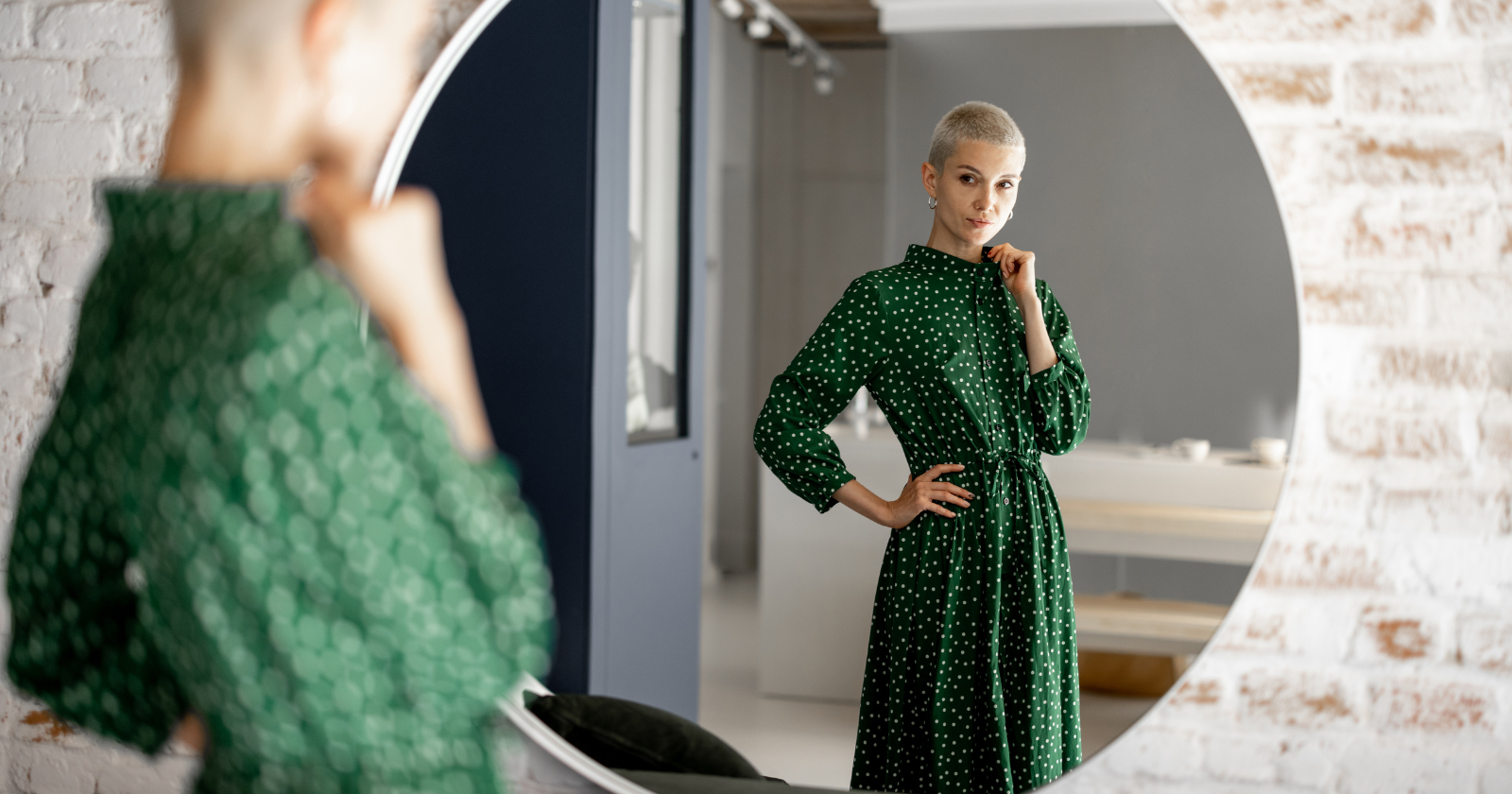
Some people overdress because the fear of underdressing feels unbearable. They are not trying to stand out. They are trying not to make a mistake.
This usually comes from social anxiety. A casual dress code feels vague. They imagine every scenario where they show up looking like they missed the memo.
I felt this a lot while traveling.
When I did not understand the cultural expectations of a place, I dressed more formally than necessary just to avoid being embarrassed.
It had nothing to do with wanting attention. It had everything to do with wanting to feel safe.
Overdressing in these situations is self-protection. It is a way to avoid judgment or awkwardness. But it also steals the ability to relax and just be in the moment.
Most people truly do not care what anyone else is wearing. Yet for someone with this fear, every casual event feels like a potential social misstep.
4) A belief that their worth depends on being polished
Some people overdress because they learned early that they are more accepted, respected, or admired when they look put together.
The message becomes internalized. Looking casual feels like letting people see a version of them that is too raw, too normal, too unguarded.
This can come from family expectations, work environments, dating experiences, or cultural standards.
Over time, the person equates polish with value. They feel that relaxed equals careless, and casual equals unprepared.
So they never show up undone. Not even when the moment calls for ease.
The problem is that self-worth built on appearance is fragile. It shifts constantly.
And it forces the person to maintain a level of effort that eventually becomes exhausting.
The people who are secure in who they are do not need perfect styling to feel valuable.
They can be relaxed without feeling like it reduces their worth.
5) Perfectionism disguised as style
Some people overdress because they simply do not know how to do casual.
Not because they want to be glamorous, but because they have perfectionistic tendencies that won’t let them relax into the moment.
Perfectionists struggle with the idea of good enough. A simple gathering becomes another thing they feel pressured to execute correctly.
Even casual situations become something they feel the need to prepare for.
I met a photographer in Iceland who embodied this perfectly.
We were going to a natural hot spring, and he showed up in a fully coordinated outfit that made no practical sense.
When I asked him why, he said he didn’t know how to be halfway presentable.
For him, being casual felt like lowering the bar. It felt like losing control.
But true confidence comes from being able to embrace imperfection, especially in settings where everyone else is already relaxed.
6) Worry about being judged or underestimated
Some people overdress because they are afraid of looking unprepared or unprofessional. They worry that if they look too relaxed, others will think less of them.
This often comes from environments where appearance was tied directly to respect, like strict workplaces or households that emphasized presentation.
Those experiences follow people long after they leave those spaces.
I recently spoke to someone in the vegan community who said she dresses up for potlucks because she is afraid people will assume she is not accomplished if she looks casual.
It sounded extreme at first, but it made sense. The fear started somewhere long before the potluck existed.
Over time, overdressing becomes a shield. A way to prevent judgment. A way to stay ahead of criticism that might not even come.
People who feel grounded in their abilities no longer treat casual gatherings like performance reviews.
They know their competence shows up without needing an outfit to announce it.
The bottom line
Overdressing is not something to criticize. Sometimes it is self-expression. Sometimes it is habit. Sometimes it is fun.
But when it shows up consistently in casual settings, it often reflects deeper insecurities.
Fear of disappearing. Fear of embarrassment. Fear of judgment. Fear of not being enough.
Clothes can speak loudly even when we do not mean for them to.
If you find yourself dressing up for moments that do not require it, it might be worth asking what part of you feels safer that way.
What part of you is afraid to be relaxed. What part of you believes casual equals vulnerable.
The most authentic version of yourself is often the simplest one. And the people who care about you will connect with that version most.
If You Were a Healing Herb, Which Would You Be?
Each herb holds a unique kind of magic — soothing, awakening, grounding, or clarifying.
This 9-question quiz reveals the healing plant that mirrors your energy right now and what it says about your natural rhythm.
✨ Instant results. Deeply insightful.

Jordan Cooper
Jordan Cooper is a pop-culture writer and vegan-snack reviewer with roots in music blogging. Known for approachable, insightful prose, Jordan connects modern trends—from K-pop choreography to kombucha fermentation—with thoughtful food commentary. In his downtime, he enjoys photography, experimenting with fermentation recipes, and discovering new indie music playlists.
More Articles by Jordan