Good taste at dinner is about presence.
Crafting a life you’re proud of often shows up in the little choices.
What you wear to dinner is one of those tiny signals that says a lot, even when you say nothing at all.
I’m not talking about being fancy or expensive.
I’m talking about matching the vibe, respecting the venue, and understanding how people read cues in social spaces.
The psychology is simple: Humans are pattern spotters.
We scan for fit, hygiene and intent, and we notice what distracts from connection and what enhances it.
Here are seven things that quietly get judged at the table:
1) Heavy logos
Big, loud branding makes the conversation orbit your chest and not your story.
Logos are status signals, and status signals can hijack social attention.
At a dinner table, attention is the currency.
You spend it on the person across from you, on the food, and on the vibe you are co-creating.
A bold billboard on your hoodie splits that currency.
People read it as trying too hard, compensating, or just unaware of context.
I get it, I grew up in the era where a giant swoosh felt like belonging, but dinner is a social contract.
You are saying yes to presence and curiosity.
Minimal pieces say you are comfortable in your skin.
They leave space for the food to be the star and for your personality to do the talking.
If you love a brand, let quality and fit do the flexing.
Keep the loud typeface for the farmers market or a day show at a festival.
2) Overpowering fragrance
Great food rides on aroma.
If your scent arrives five seconds before you do, it bulldozes the chef’s work.
As someone who spends way too much time reading food science for fun and reviewing plant-based menus, I can tell you that smell is half the meal.
Heavy cologne, intense perfume, or even super scented hair product can flatten nuance.
Your tablemates will not taste that lemon zest or basil finish if they are fighting through a fog of ambroxan.
There is also a consent piece here: Fragrance spreads without asking permission.
People with sensitivities cannot opt out once it is on their napkin.
At a vegan spot, where herbs, citrus, and toasted spice often carry the dish, an aggressive spray can feel like turning the music up during a quiet song.
Go light: One small dab, not a cloud.
If you are coming from the gym or a long day, a quick shower beats another spritz.
Your date, your friends, and your server will all silently thank you.
3) Dirty or beat-up shoes
Shoes tell a story; not about price, but about care.
When your sneakers are scuffed and dusty or your boots are crying out for conditioner, people do a quick mental math.
If you skipped ten seconds with a cleaning wipe, what else did you skip.
It is not fair, but snap judgments rarely are.
We use visible cues as shortcuts.
Clean shoes read as self-respect, while dirty shoes read as drift.
I learned this the hard way in Tokyo years ago: I was traveling light and wore a favorite pair of canvas high tops into a tiny neighborhood izakaya.
Everyone else had tidy shoes, the chef’s knives gleamed, and the plates were white and spotless.
My beaters looked like they had toured with a garage band.
The food was still outstanding, but I felt out of tune with the room.
You do not need a fresh pair for every dinner.
All you have to do is wipe, brush, and let them dry.
If your go-to shoes are actually dead, retire them with honor and rotate in something simple and clean.
4) Sunglasses indoors
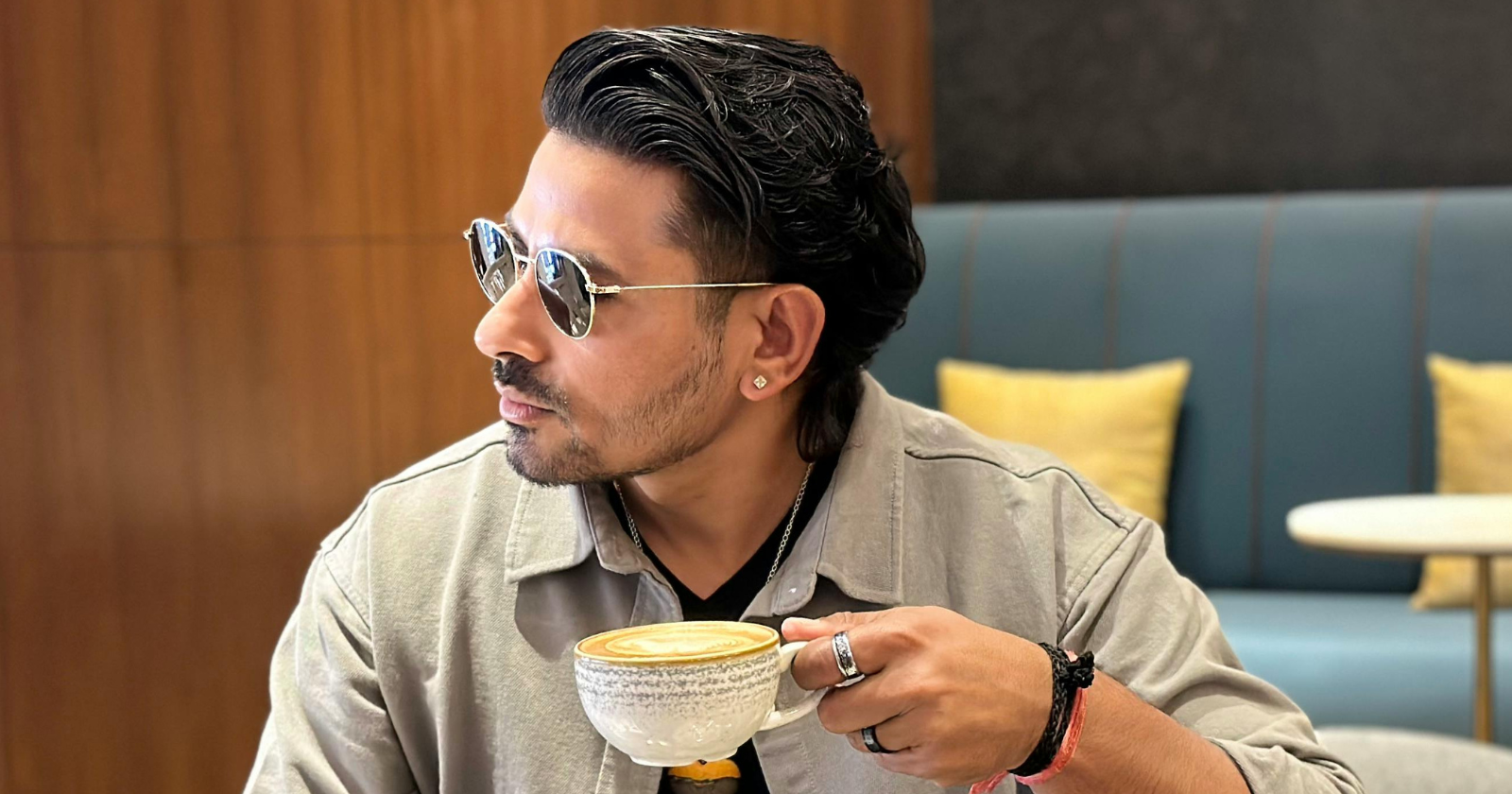
Sunglasses inside are a wall between you and the people you are with.
Psychologically, we read micro expressions in a split second.
Mirroring happens without anyone noticing.
Throw on shades at the table and you mute all of that.
It signals distance, secrecy, or performative cool.
Even if you are just light sensitive, the social read is often the same.
I have mentioned this before but social skills are about reducing friction.
Dinner asks for openness.
Keep the sunglasses on your head while you walk in if the golden hour is blinding.
The moment you sit, let people see your eyes.
If you truly need tinted lenses for medical reasons, a quick heads up resets the signal.
Context converts confusion into understanding.
Plus, practical note: Glass lenses smear.
You will spend half the meal polishing them and missing the joke everyone is laughing at.
A hat with a brim outside, regular glasses inside, and you are good.
5) Hats at the table
A hat, in many dining rooms, reads as not fully present.
The table is a small ceremony and removing your hat is an inexpensive way to show you know the ritual.
When you take your cap off, you change your posture and you stop hiding as conversations feel less guarded.
If it is a casual patio with picnic benches and a live DJ, wear the beanie and enjoy; if you worry about hat hair, a quick hand comb in the restroom solves it.
However, if your hat is part of your identity or faith, that is different.
Identity is not an accessory.
Style decisions that flatten other guests’ experience are the problem.
6) Loud tech on your face
AR glasses, blinking earbuds, or a smartwatch lighting up every thirty seconds turn a meal into a notification center.
I like tech because I grew up with it and I use a camera almost daily.
Still, dinner is where I try to put the dopamine machine in airplane mode.
When tech is visible and animated, people assume your attention is elsewhere.
They notice your pupils shift to your watch, they see the earbud tap, and they feel second to a push alert.
From a psychology angle, this is about signaling priority.
The table is a chance to co-regulate, to breathe at the same pace, and to laugh at the same beat.
Continuous lighting and tapping break sync as it makes the food taste flatter and the conversation feel less safe.
Put your phone face down and out of reach, and swap neon earbuds for nothing during the meal.
If you wear smart glasses, bring regular frames too.
You are pro-presence.
7) Slogan tees at a nice spot
Words on your chest hijack attention the way heavy logos do, with an extra twist.
People start reading you instead of listening to you.
Even positive messages can be distracting.
Political, snarky, ironic, or edgy prints pull focus off the food and onto the debate you did not plan to host.
On top of that, text dates fast.
What was clever last summer feels tired now, like a meme that stayed too long at the party.
I love a good vegan graphic tee as I wear them to protests, farmers markets, and long days of editing photos at home.
For dinner, I reach for plain or textured: A knit polo, a crisp shirt, a clean tee with a jacket.
Let the conversation carry your values.
If someone asks what you are into, then share.
That sequence makes your ideas land better anyway.
Reading the room is not selling out.
It is choosing to be effective with the people and the place in front of you.
The bottom line
Good taste at dinner is about presence.
Leave the loud logos, heavy scent, dirty shoes, indoor shades, table hats, blinking tech, and slogan tees at home.
Show up clean, simple, and open.
Let the conversation be the color, and let the food be the headline.
Enjoy the kind of night you will want to remember.
If You Were a Healing Herb, Which Would You Be?
Each herb holds a unique kind of magic — soothing, awakening, grounding, or clarifying.
This 9-question quiz reveals the healing plant that mirrors your energy right now and what it says about your natural rhythm.
✨ Instant results. Deeply insightful.