True quality doesn't need to announce itself, because when something is genuinely excellent, it doesn't need a billboard attached to it.
There's something fascinating about the way certain people navigate the world of possessions and style.
I'm not talking about wealth itself, but rather a specific aesthetic sensibility that seems to transcend price tags. You know the type: understated, timeless, never trying too hard.
While most of us chase the latest trends and flashiest items, people with old money taste seem to operate on an entirely different wavelength. They instinctively avoid certain things that the rest of us can't get enough of.
Let's explore what they're quietly rejecting while everyone else is lining up to buy.
1. Logo-heavy luxury items
Walk through any upscale shopping district and you'll see people proudly displaying designer logos the size of your palm.
But here's the thing: people with genuine old money taste find this approach gauche.
They prefer items where quality speaks for itself. A well-crafted leather bag doesn't need a giant monogram to prove its worth. A beautifully tailored coat doesn't require external branding to communicate value.
I learned this lesson years ago while traveling through Europe. I noticed that in certain circles, the most expensive items in the room were often the least identifiable to an outsider. The luxury was in the craftsmanship, the materials, the cut, not in screaming brand recognition.
It's not about being secretive or modest. It's about understanding that true quality doesn't need to announce itself.
Think about it: when something is genuinely excellent, does it really need a billboard attached to it?
2. Fast fashion trends
Scroll through social media and you'll see the same outfit repeated thousands of times. This season's must-have item becomes next season's donation pile.
People with old money taste reject this entire cycle.
They invest in classic pieces that work year after year. A well-fitted blazer. Quality denim. A cashmere sweater in a neutral tone. These items don't scream "2024" or "2025," they simply exist as timeless staples.
The appeal of fast fashion is obvious. It's affordable, it's current, it feels good to constantly refresh your wardrobe. But there's a cost beyond the price tag. The environmental impact aside, there's something exhausting about constantly chasing what's new.
Old money taste says: buy less, buy better, keep it forever.
3. Maximalist home decor
Open Instagram and you'll find homes bursting with personality. Gallery walls covering every surface. Shelves packed with decorative objects. Bold patterns competing for attention.
It's visually stimulating, sure. But it's not what people with old money taste gravitate toward.
They prefer restraint. Empty space isn't seen as something that needs filling but as an intentional choice. A single piece of art on an otherwise bare wall. A room with five carefully selected items rather than fifty.
I've mentioned this before, but this approach to spaces completely changed how I think about my own home. Less really can be more when each item is meaningful and well-considered.
This isn't about being cold or sterile. It's about creating environments where you can breathe, where your eye can rest, where each object has room to be appreciated.
When everything is competing for attention, nothing truly gets noticed.
4. Luxury vehicles with flashy modifications
The car market is full of options designed to turn heads. Bright colors, custom rims, aggressive body kits, interiors that look like spaceship cockpits.
People with old money taste drive right past all of that.
They choose classic, understated vehicles. Often in navy, black, dark green, or grey. The kind of car that looks appropriate whether you're pulling up to a business meeting or a casual dinner.
Performance and reliability matter. Comfort matters. But standing out? That's not the goal.
I remember being surprised to learn that many wealthy individuals drive relatively modest vehicles. Not because they can't afford otherwise, but because they genuinely prefer subtlety.
It's the same principle we've been discussing. Quality and function over flash and status signaling.
Does your car need to announce your success, or can your success speak for itself?
5. Trendy home technology displays
Everyone loves the latest tech. Smart home systems, massive television screens dominating living rooms, visible speakers and gaming setups that become focal points of entire rooms.
But people with old money taste take a different approach.
Technology is there, certainly. They're not living in the past. But it's integrated seamlessly rather than displayed prominently. Screens hidden in cabinets. Sound systems built into walls. Smart home controls that blend into the architecture.
The best rooms are layered over time, and technology should serve the space rather than define it. This creates environments that feel timeless rather than dated to a specific technological era.
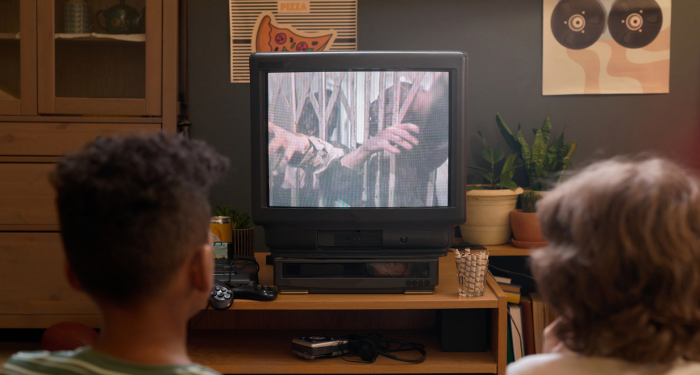
Think about photos from the 1990s or early 2000s. Often, it's the prominent technology that dates them most severely. Huge CRT televisions, visible computer setups, chunky electronics.
By keeping tech integrated and subtle, spaces age more gracefully.
6. Novelty statement pieces
We all know them. The conversation-starter furniture. The bold, unusual piece that dominates a room. The quirky item that's supposed to reflect your unique personality.
Old money taste quietly passes on all of it.
Instead, there's a preference for pieces with genuine history or craftsmanship. An antique desk with a story. A handwoven rug that took months to create. Furniture built by skilled artisans using traditional methods.
These items become conversation pieces naturally, through their quality and provenance rather than through novelty.
I've found that the most interesting homes I've visited weren't trying to be interesting. They simply accumulated beautiful, meaningful things over time. Each piece was chosen for its merit, not for its ability to shock or surprise guests.
There's a confidence in this approach. You don't need to prove your taste is unique or interesting. You simply trust that quality and authenticity will always resonate.
The bottom line
So what ties all of these rejections together?
It's a fundamental shift in how you think about possessions and style. Rather than using things to broadcast identity or status, people with old money taste let quality and restraint do the talking.
They're not interested in impressing strangers or keeping up with trends. They're building environments and wardrobes that serve them well over decades, not seasons.
Does this mean you need wealth to adopt this approach? Not at all. The principles work at any budget: prioritize quality over quantity, choose timeless over trendy, prefer subtlety over showiness.
You might already practice some of these rejections yourself. If so, you're tapping into something that transcends economic class and speaks to a deeper understanding of value.
And if not, well, there's something liberating about stepping off the trend treadmill and choosing things that simply work.