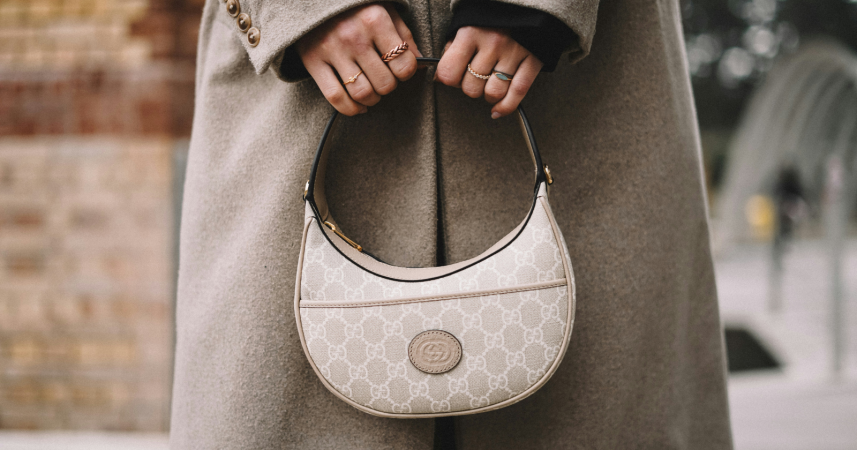
Some women carry bags that cost half a monthly grocery budget but somehow look completely off.

Add VegOut to your Google News feed. 
I spent years thinking an expensive handbag automatically meant good taste. T
hen I started noticing something interesting at the school pickup, at restaurants in Itaim Bibi, and during our trips to Santiago. Some women carried bags that cost half my monthly grocery budget but looked somehow off. Others had bags I'd never heard of that just worked.
The difference isn't always about price. It's about knowing what to look for.
When I finally built my own capsule wardrobe, I learned that a few key details tell you everything about whether someone bought a bag because they understand quality or because they wanted the logo. Here's what I pay attention to now.
1. The hardware weight and finish
Pick up a well-made bag and the hardware has substance. The clasps close smoothly. The zippers glide without snagging. The metal doesn't feel hollow or thin.
I learned this the hard way with a bag I bought on sale years ago. The zipper pull felt light and cheap in my hand, and within months the gold finish started flaking off. Meanwhile, my everyday leather tote has brass hardware that's developed a subtle patina over three years of use.
Quality hardware is almost always solid metal, not plated plastic. It adds weight to the bag in a way that feels reassuring rather than cumbersome. You can spot the difference the moment you touch it.
2. The stitching tells the real story
This one's easy to check and hard to fake. Look at the seams where the leather meets, especially around handles and corners where stress is highest.
Even stitching means each stitch is the same length and tension. The thread should be waxed or coated so it resists fraying. On leather bags, the stitches often sit in a subtle groove that protects them from wear.
I once saw someone at a café with a bag covered in a recognizable logo pattern, but the stitching was uneven and loose. The logo screamed money, but the construction whispered something else entirely. Real craftsmanship doesn't cut corners on the parts most people won't notice at first glance.
3. The leather quality over the leather type
People get caught up in whether it's calfskin or lambskin or pebbled leather. What matters more is whether the leather itself is high grade.
Good leather has an even texture without weird patches or thin spots. It shouldn't feel papery or plasticky. When you press it gently, it should give a little and bounce back. Full-grain leather shows natural variations, which is actually a good sign. True luxury is about longevity and the story an item tells over time.
I have a cognac crossbody I bought six years ago. The leather has softened and developed character, but it hasn't cracked or peeled. That's what quality leather does. It ages with you instead of falling apart.
4. The lining quality matters as much as the exterior
Open the bag and look inside. Is the lining neat and attached properly? Are there loose threads or glue marks showing?
A thoughtfully made bag has a lining that's sewn in cleanly, with reinforced pockets and no raw edges visible. The fabric should feel substantial, not like tissue paper. Sometimes the lining is leather, sometimes it's canvas or grosgrain, but it should always look finished.
This is where a lot of bags trying to look expensive fall short. They'll invest in showy exterior details but cheap out on the interior because they assume no one will check. People with actual taste check.
5. Logo placement that whispers instead of shouts
There's a reason some of the most expensive bags in the world have tiny logos or none at all. Confidence doesn't need to announce itself.
When I go out with my girlfriends, the ones who really know fashion often carry bags where you'd have to look closely to spot any branding. Maybe a small embossed logo inside the flap, or subtle hardware with an engraved mark. The bag's shape and craftsmanship do the talking.
Bags covered in repeated logos are designed to be recognized from across the street. That's about signaling wealth to strangers, not about appreciating design. There's nothing wrong with wanting recognition, but it's a different thing than having taste.
6. Proportions that actually make sense
A bag should look balanced. The handles shouldn't be too thick or too thin for the bag's size. The body shouldn't be awkwardly tall or squat unless that's intentionally part of the design.
I see this mistake often with trendy micro bags or oversized totes. Someone buys a bag because it's having a moment, but the proportions are off for their frame or the way they actually live. They end up looking like they're carrying the bag instead of the bag complementing them.
Good design considers how the bag sits on your body and moves with you. The best accessories enhance rather than dominate. They should feel like a natural extension of the person.
7. Functional details that show someone thought this through
Does the bag have a key clip inside? Are there pockets that actually fit your phone? Can you access the main compartment easily without wrestling with complicated closures?
These practical touches separate bags designed by people who use them from bags designed by people chasing trends. A crossbody strap should be adjustable. Feet on the bottom keep the bag from sitting directly on dirty surfaces. Interior organization prevents everything from becoming a jumbled mess.
When I switched to a structured tote for work, the interior pockets changed my life. My keys go in one spot, my wallet in another, and I can find everything without digging. That kind of thoughtfulness doesn't always show in product photos, but it shows up every single day.
8. The way the bag holds its shape over time
Some bags are meant to be soft and slouchy, which is fine. But if a structured bag starts collapsing or warping after a few months of normal use, that's a construction problem.
Quality bags have internal support where they need it. This might be interfacing in the panels, a reinforced base, or strategic padding. The bag should look essentially the same after a year of use as it did when you bought it, with the exception of natural leather aging.
I've watched friends buy bags that looked perfect in the store but lost their shape after a month of carrying a laptop and water bottle. The bag couldn't handle real life because it was built for looking good in photos, not for actual function.
9. Price that matches the quality, not the hype
This is the tricky one. Expensive doesn't always mean well-made, and affordable doesn't always mean cheap quality.
Some brands charge premium prices for their name and marketing budget, not superior craftsmanship. Meanwhile, smaller brands or heritage craftsmen often produce exceptional bags at more reasonable prices because they're not paying for massive advertising campaigns or flagship stores in every major city.
Educated consumers are moving away from logo-driven purchases toward items with genuine craftsmanship and materials that justify the cost.
I look at cost per use now. A €400 bag I'll carry for five years is a better investment than a €200 bag I'll replace every year or a €2000 bag I'm too afraid to actually use. The sweet spot is where quality, function, and budget overlap for your specific life.
Final thoughts
The handbag that works best for you probably isn't the one everyone's posting about online. It's the one that fits your actual life, holds up to your routine, and makes you feel put together without trying too hard.
I've stopped chasing trends and started paying attention to construction, materials, and how a bag actually performs. My closet is smaller now, but everything in it works harder. That feels more valuable than any logo ever did.
Next time you're considering a bag, skip the brand name for a minute. Look at the hardware, check the stitching, feel the leather, open it up and see how it's finished inside. Those details will tell you everything you need to know about whether you're buying taste or just buying expensive.
If You Were a Healing Herb, Which Would You Be?
Each herb holds a unique kind of magic — soothing, awakening, grounding, or clarifying.
This 9-question quiz reveals the healing plant that mirrors your energy right now and what it says about your natural rhythm.
✨ Instant results. Deeply insightful.

Ainura Kalau
Ainura was born in Central Asia, spent over a decade in Malaysia, and studied at an Australian university before settling in São Paulo, where she’s now raising her family. Her life blends cultures and perspectives, something that naturally shapes her writing. When she’s not working, she’s usually trying new recipes while binging true crime shows, soaking up sunny Brazilian days at the park or beach, or crafting something with her hands.
More Articles by Ainura