Department
Living
 Think Deeper
The rarest form of happiness may not be joy — it may be the quiet, undramatic satisfaction of a Wednesday afternoon where nothing is wrong and you actually notice it
Most of us are so busy chasing peak experiences and Instagram-worthy moments that we've forgotten how to recognize the profound peace of…
 Think Deeper
The constant pursuit of happiness is one of the few things that reliably makes people less happy — not because happiness is bad but because the chase reframes every ordinary moment as evidence of failure
The moment you realize that tracking your happiness like a fitness app is actually making you miserable, everything changes—and the research behind…
 Think Deeper
People who feel vaguely worse after an hour of scrolling but do it again the next night may not be weak — they may be caught in a feedback loop deliberately engineered by people who understood behavioral psychology better than most therapists do
What feels like low discipline is often something far more calculated. Modern feeds are built to hijack attention, reward repetition, and keep…
 Think Deeper
There's a version of this generation that did everything they were told — degree, internship, entry-level, work up — and arrived in their late 30s holding a résumé that still doesn't pay enough for a two-bedroom apartment
They didn’t fail the system by refusing to grow up. They followed the script exactly and still ended up priced out of…
 Think Deeper
Perfect discipline for two years — the gym, the diet, the 5am alarm — and then the realization it was all a way to avoid sitting alone with one's own thoughts for five minutes
For two years, it looked like discipline. But underneath the routines, reps, and early mornings was a deeper fear: stillness. Sometimes the…
Think DeeperThere's a particular exhaustion that belongs to people who've spent their whole life improving themselves rather than accepting themselves - a tiredness that no amount of progress seems to touch
This relentless chase for betterment becomes a prison of its own making — where every achievement only illuminates how far you still…
 Think Deeper
People who eat alone but rarely seem lonely may not be antisocial — they've simply found comfort in solitude while most people fear it, which is a sign of inner strength
While society whispers about lonely souls dining solo, psychology reveals these comfortable loners have achieved what most spend lifetimes avoiding: the rare…
 Think Deeper
At 37, the Friendships Worth Reorganizing a Whole Life Around Are the Ones Where the Performance Has Stopped — and They Can Be Counted on One Hand
At 37, I've discovered that having four friends who know my darkest truths is worth more than the hundreds who only knew…
 Think Deeper
The Specific Kind of Confidence That Comes Not from Attention but from Self-Respect, Emotional Stability, and Quiet Discipline — Carried Without Needing to Prove Anything
The most confident person you know probably isn't the loudest. They're the one who stays calm when everything around them falls apart.…
 Think Deeper
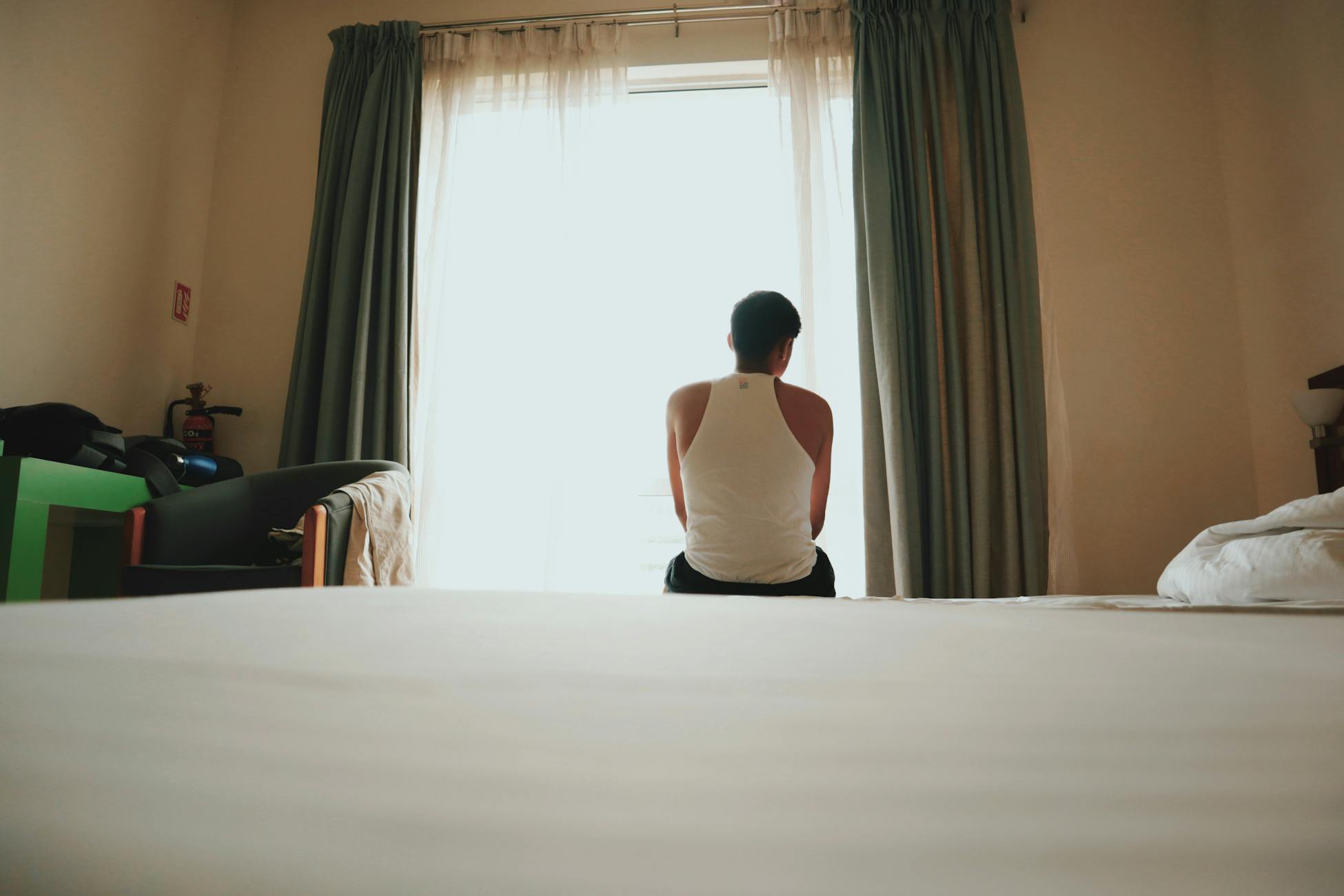
People rarely talk about the hardest part of mindfulness — it's not quieting the mind, it's sitting still long enough to meet the version of yourself you've been outrunning with busyness, noise, and other people's problems for decades
It's the hardest thing I've ever practiced. And every morning I sit back down on the cushion and practice it again, because…
 Think Deeper
The loneliness epidemic in people's thirties may not be about social media or introversion — it's the first decade where friendships require deliberate effort
The friends didn't leave — the structure that held them in place did.
 Think Deeper
She Was 37 and Watched a Woman at a Restaurant Quietly Tell the Waiter He'd Given Her the Wrong Dish — Without Embarrassing Him, Without Performing Patience for the Table, Without Making It a Story Afterward — and Realized She'd Been Confusing It With Weakness Her Entire Life
That woman at the restaurant taught me something I should have learned decades ago. The strongest people in the room are almost…
 Think Deeper
The rarest form of discipline may not be waking up early or eating clean — it may be the ability to keep improving quietly without needing anyone to notice
The people who perform their discipline burn bright and flame out. The people who protect their discipline, who keep it small and…
 Think Deeper
People who are warm and likeable but have no inner circle may not be bad at friendship — they learned to give connection without ever learning how to receive it
You're not bad at friendship. You're probably exceptional at a very specific kind of friendship, the kind where you hold space for…
 Think Deeper
People who say they don't remember the last time they felt genuine joy may not be dramatic — they may have spent so long performing contentment that they forgot what the real thing feels like.
When you've been faking "fine" for long enough, your brain stops sending invitations to actual happiness. Here's how to tell the difference…
 Think Deeper
People who prefer being alone may not be lonely. They genuinely enjoy their own company, even though society has spent decades diagnosing solitude as something that needs to be fixed
It’s not something to fix - it’s a genuine comfort in one’s own presence, where solitude feels restorative rather than lacking. What…
 Think Deeper
Starting meditation at 35 expecting calm — and by day ten feeling an anger not felt since high school, because silence doesn't bring peace first, it brings everything that was buried to stay functional
It didn’t bring instant calm - it brought everything you’d been avoiding, surfacing all at once when the noise finally dropped away.…
 Think Deeper
People who often apologize may not just be insecure. They grew up in environments where being wrong was dangerous, and that had nothing to do with manners — their constant "sorry" is a survival reflex that rarely switches off
It’s not just insecurity - it’s a pattern shaped in environments where mistakes carried real consequences, not just discomfort. That constant “sorry”…
 Think Deeper
After 65, Health May Depend Less on Exercise, Diet, or Genetics Than on Whether There's at Least One Person Who Asks How You're Really Doing — and Waits for the Actual Answer
The longevity factor that outperforms every supplement, diet plan, and exercise routine has nothing to do with your body — and everything…
 Think Deeper
People Who Meditate Regularly Often Don't Realize It, but the Way They Experience Negative Emotions Is Fundamentally Different
It’s not that they avoid negative emotions—they relate to them differently, with less resistance and less urgency to react. What feels overwhelming…
Page 10 of 15