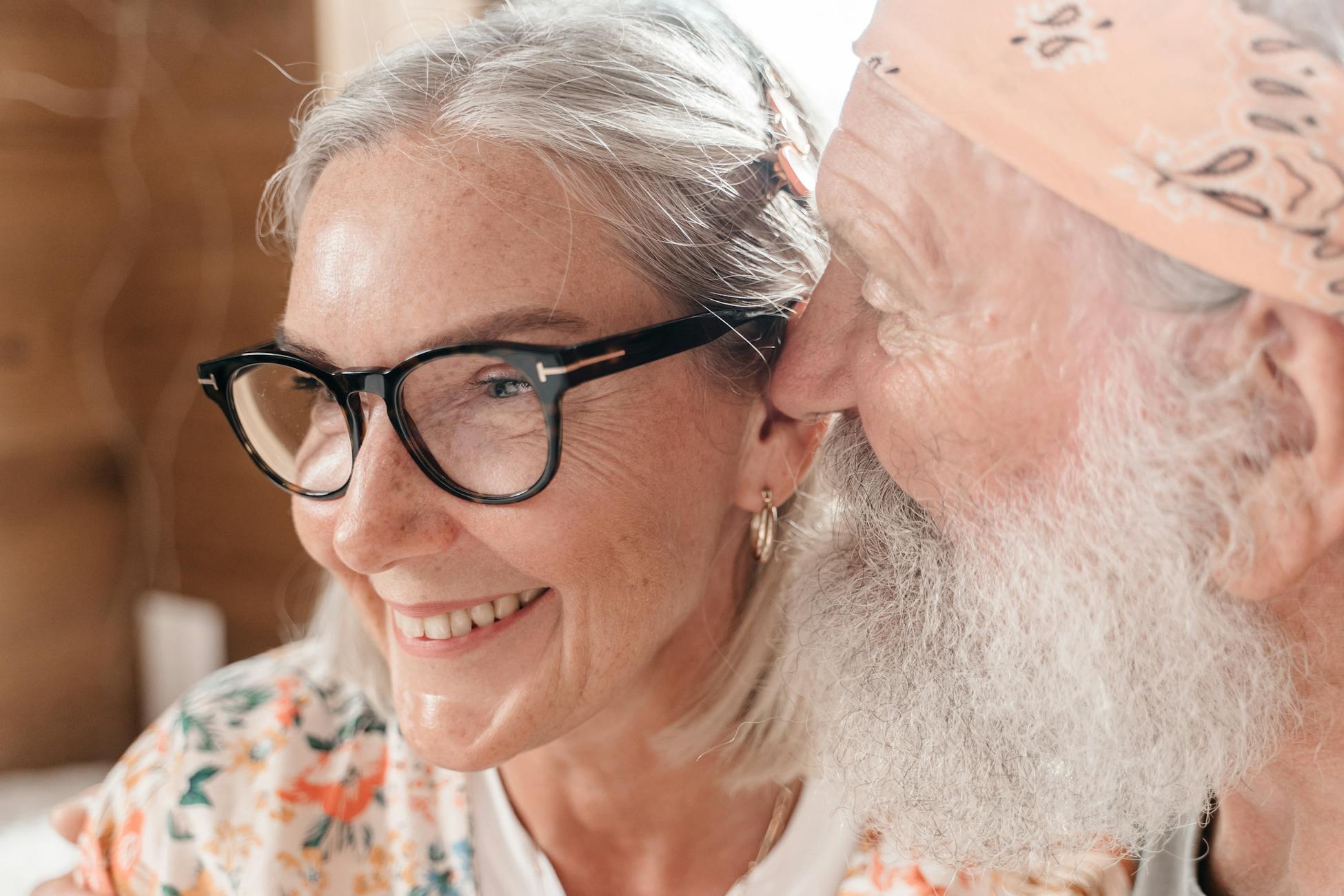
The conventional wisdom about aging well is almost entirely physical. Eat well. Move often. Sleep enough. Get your bloodwork done. Optimize. The wellness industry has turned the post-65 body into a project, a machine to be maintained with the right inputs. And most people believe that if they just nail the formula — the right ratio of omega-3s to fiber, the ideal step count, the perfect sleep schedule — they'll coast into their eighties with their faculties intact. But that framework misses something so fundamental it almost feels too simple to take seriously.
The variable nobody optimizes for
Research suggests that the cumulative effect of strong social bonds across a lifetime can actually slow cellular aging. Friendships, family connections, community ties — these aren't just nice to have. They may apply measurable brakes to the biological aging process at the molecular level.
That finding alone should have rewritten every longevity protocol on the market. It didn't.
Because the wellness world has a bias toward things you can control individually. You can buy better food. You can download a fitness app. You can track your sleep with a ring on your finger. But you can't buy the experience of someone sitting across from you, noticing that your smile didn't reach your eyes, and saying, "No, how are you really doing?"
And then waiting. That's the part that matters. The waiting.
There's a difference between someone who asks how you are as a greeting and someone who asks how you are as a genuine inquiry. The first is a social script. The second is an act of attention so rare that many people over 65 can go weeks or months without experiencing it.
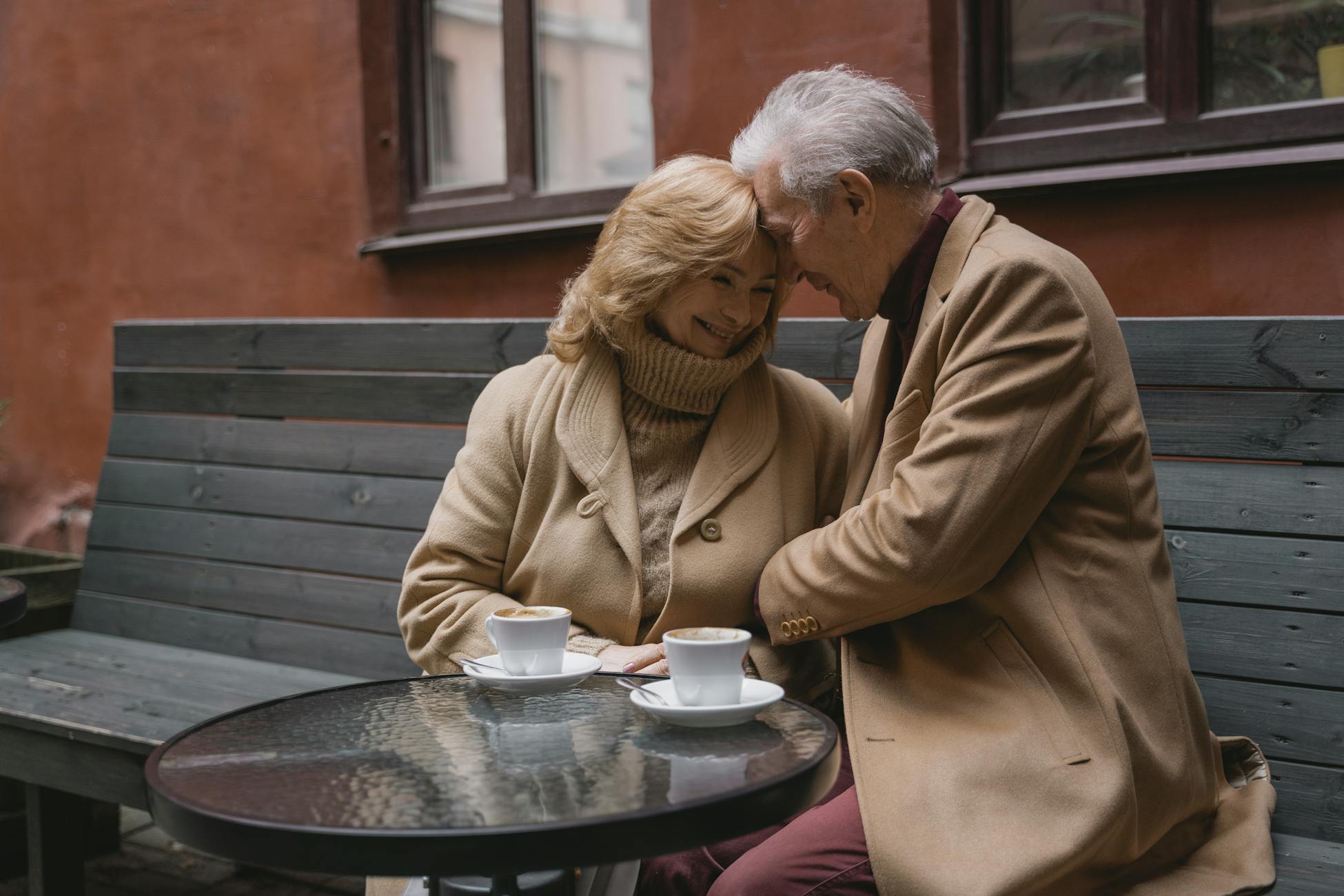
What loneliness actually does to tissue
Most people tend to think of loneliness as an emotional problem, something that makes a person sad. That framing dramatically understates the damage. Studies suggest that social relationships can slow cellular aging, which means the inverse is also true: the absence of meaningful connection may accelerate it. Cells may age faster when nobody is paying attention.
Studies indicate that chronic loneliness may trigger inflammatory responses and affect stress hormone levels in ways that, over time, can impact cardiovascular health, cognitive function, and metabolic regulation. Exercise can counteract some of this. Diet can help. But neither can fully compensate for what happens to a body that has no one to turn to.
It's worth sitting with this observation, partly because it's easy to watch people pour enormous energy into tracking biomarkers and optimizing meals while their social worlds quietly contract. The spreadsheet gets more detailed. The dinner table gets emptier.
Something about that equation feels deeply broken.
The difference between company and connection
A common objection: "I'm not isolated. I see people all the time." Golf buddies. Book club members. Neighbors who wave. The couple you meet for dinner every few months. None of this is the same as having someone who knows how to read the silence between your words.
Social contact and social connection are not synonyms. You can be surrounded by pleasant acquaintances and still lack the one relationship that functions as a genuine witness to your inner life. Studies of centenarians in long-lived populations suggest that daily habits beyond diet and exercise — particularly those involving social ritual and emotional presence — are associated with extreme longevity.
The specific quality of attention matters enormously. Evidence suggests that different types of social interaction may produce different physiological responses. Superficial contact doesn't appear to register the same way as having someone ask and then sit with the discomfort of your honest answer. The second scenario may activate a sense of safety, telling the nervous system: you are not alone in whatever you're carrying.
That signal, repeated over time, may change the body's baseline stress response.
Why this disappears after 65
Retirement eliminates the single largest source of daily human contact most people have. Work is often mediocre at providing deep connection, but it provides the infrastructure for incidental interaction. The hallway conversation. The lunch with a colleague who noticed someone seemed off. The mundane proximity that sometimes, unexpectedly, produces a moment of genuine seeing.
When that scaffolding collapses, people who had one or two truly attentive relationships tend to hold steady. People who had been relying on workplace proximity as a substitute for real intimacy fall off a cliff. And they don't always notice the falling.

The friends you maintain in your 40s and 50s become the social in