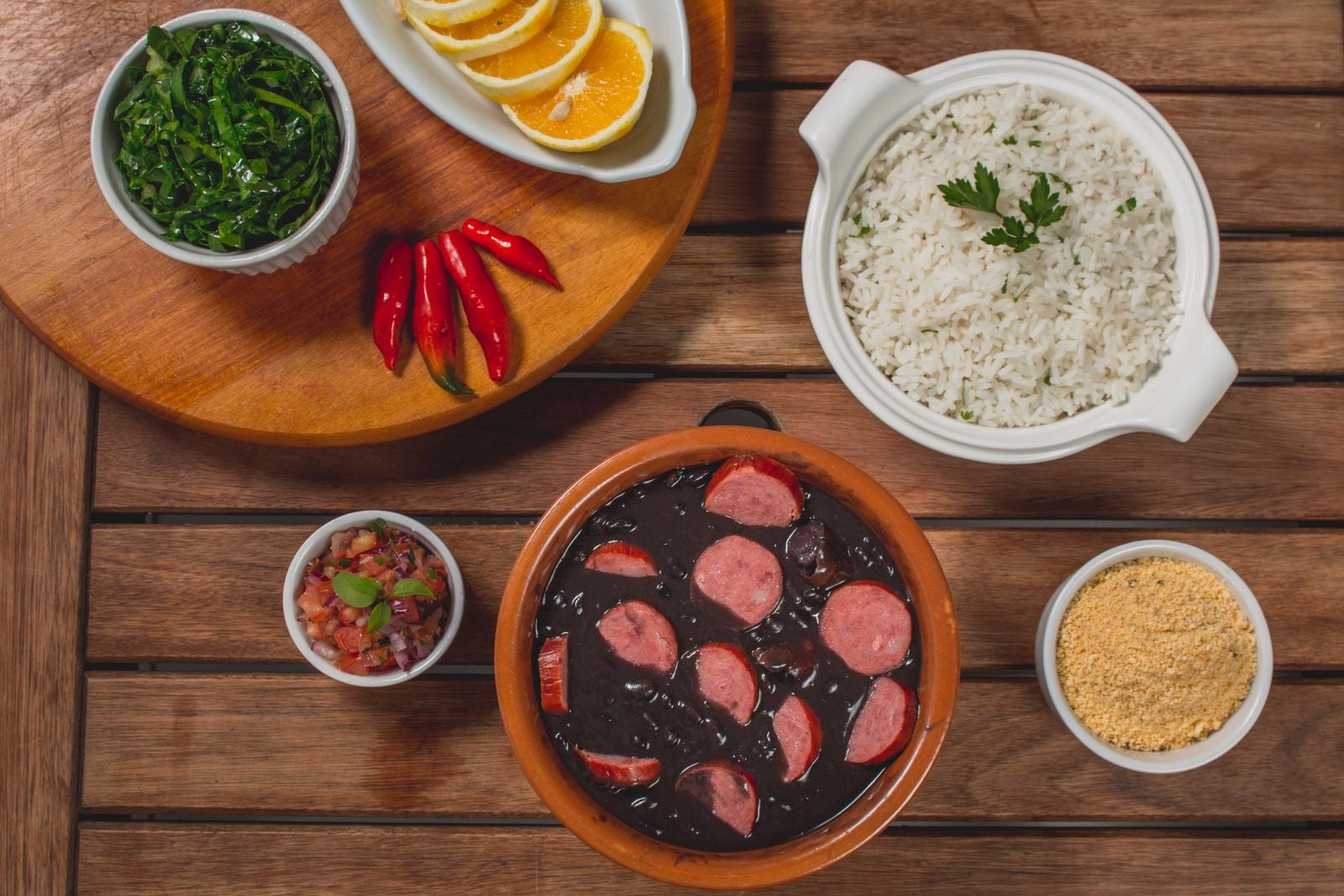
Cooking modestly after you can afford otherwise looks, from the outside, like thrift. It usually gets read as a leftover habit from lean years, the kind of thing a person eventually grows out of once the bank account catches up. But spend enough time around adults who grew up genuinely poor and a different pattern shows up — they're not saving money on the lentils. They're refusing a script.
The script being refused is the one that says abundance has to look like something. That a successful adult plates food. That a dinner party is a love language. That if you can afford the good olive oil, you should be using it in ways other people can see.
For a lot of people, that script was never neutral. It arrived later, after childhood, attached to rooms and people who used food as a status signal. And once you've clocked food as performance, you don't always want to perform.
The childhood part isn't the whole story
It's tempting to explain all of this with scarcity. The framework is real and well-documented — early experiences of going without leave behind durable patterns in how people spend, save, and eat. Childhood money memories create emotional patterns that follow people directly into adulthood, regardless of current income.
And scarcity can shape how the brain processes attention and decision-making, with the feeling of not-enough lingering long after the bank balance changes.
But scarcity alone doesn't explain why someone making six figures still wants beans and rice on a Tuesday — and feels actively repelled by the idea of a five-course dinner they could easily host. Scarcity explains restraint. It doesn't explain the specific aversion to elaborate food as a category.
The aversion is about the audience.
Food as a class performance
Cooking elaborately is, almost by definition, performative. It takes time most working people don't have. It requires ingredients that signal access. It assumes a kitchen with room to spread out and dishes worth photographing and guests worth impressing.
None of that is bad. But none of it is neutral, either. Elaborate food is a language, and like any language, it sorts people into the ones who speak it fluently and the ones who don't.
If you grew up in a house where dinner was whatever stretched the furthest, you learned the other language first. The one where food is fuel and affection and resourcefulness, but not display. When you later encounter the display version — at someone's parents' house, at a work dinner, at the apartment of a college roommate whose mom sent her off with a Le Creuset — you notice that it's a language. You weren't raised inside it, so you can see its grammar.
And once you can see the grammar, you have to decide whether you want to speak it.
The middle-class assumption that food is identity
A lot of food culture assumes that what you cook is who you are. The sourdough starter is a personality. The seasonal menu is a worldview. The dinner party is a statement about your values.
This assumption is mostly invisible to the people inside it, which is what makes it an assumption rather than a choice. It also has a very clear economic engine behind it — the entire premium grocery, kitchenware, and cooking-content industry depends on people believing that their food choices are expressing something important about their character.
For someone who grew up watching a parent stretch a pound of ground beef across four meals, this framing can feel surreal. Food wasn't identity. Food was Tuesday. The performance frame arrives later, often in adulthood, and arrives with the implicit message that the modest meals of childhood were a kind of poverty to be edited out of the resume.
A lot of adults quietly refuse that edit.
The relief of not having to prove anything
There's a specific relief that comes with cooking something simple in a kitchen you actually own. The rice cooker on the counter. The same three spices. A pan of vegetables you didn't have to plan.
That relief isn't nostalgia. It's the absence of audience.
A meal that nobody is grading is a meal you get to actually taste.
For adults who grew up poor, the grading was often the entire problem. Lunches got noticed. Brand-name foods got noticed. The mother who packed something improvised got noticed. There's a long-running discomfort with the idea that food is something other people look at and form opinions about.
Modest cooking, in that context, is a small ongoing act of not letting the food be looked at.
Why the pantry tells a different story than the dinner table
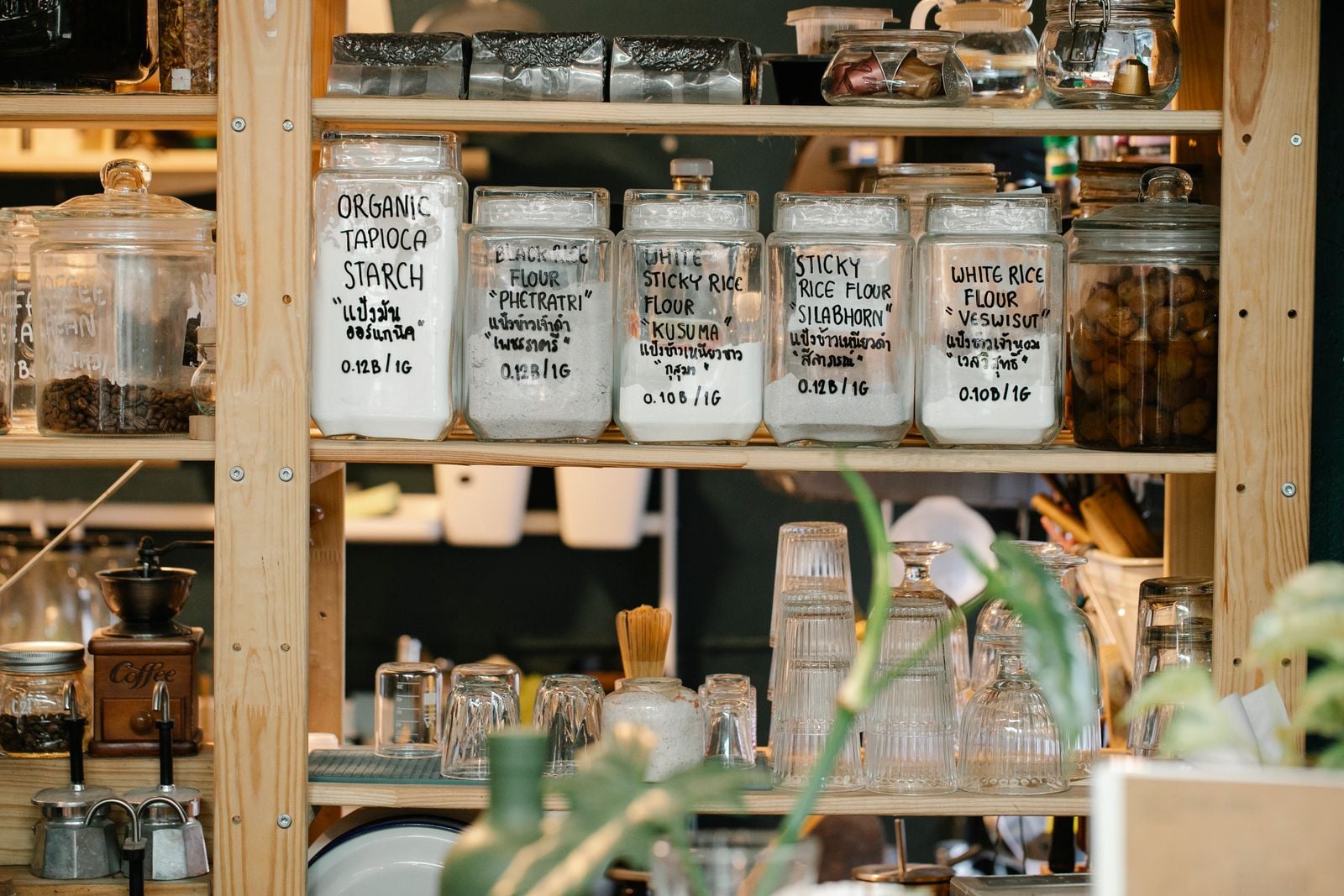
The same adult who refuses to make a production of dinner will often have a pantry that could feed a small village. Beans in jars. Rice in bins. Pasta in three shapes. Oil in quantities that don't make sense for one or two people.
This isn't a contradiction. It's the same instinct expressed differently.
As explored in the pattern of adults who stock larger pantries than they need, the pantry is the private side of the food relationship. It's the security infrastructure, kept out of sight, that lets the meal itself stay small and unceremonious.
The pantry says: we will not run out. The dinner says: we will not make a show of it. Both are responses to a childhood where food was both precarious and conspicuously not-enough.
The intergenerational piece nobody quite names
PBS's Frontline documentary on childhood poverty captures something the statistics don't — the way food worry becomes a baseline emotional state, not just a budget item. The footage follows young people as they move from childhood poverty into adulthood, documenting how hunger and food insecurity shape emotional development.
The instinct, repeated across families and decades, is to protect the next generation from food worry. But protection doesn't always look like abundance on a plate. Sometimes it looks like a parent who quietly makes sure the rice is always cooked and the beans are always seasoned and never once turns it into an event.
The psychological effects of childhood poverty compound long after the material conditions change. Food is one of the most durable channels for those effects, because eating is something a person does several times a day, for a lifetime, in the same body that learned what hunger felt like.
The economic system that doesn't want quiet meals
It's worth naming who benefits when food is treated as performance. The premium grocery sector, the kitchen-equipment industry, the cooking-content economy, and the restaurant industry all profit when people believe that a meal needs to be elaborate to count.
Scarcity marketing tactics show up in food retail the same way they do everywhere else, with limited-time offers and low-stock signals exploiting urgency responses — responses that can be particularly strong in people whose early experiences were shaped by actual scarcity.
The person who grew up poor is, in a way, the ideal target for premium food marketing. They have disposable income now. They have an unprocessed emotional relationship with food. And they have a culture telling them that cooking elaborately is how they prove they made it.
Refusing all of that — quietly, in a kitchen, with a pot of lentils — is a small economic rebellion that the system can't really monetize.
The abundance-mindset trap
There's a popular psychological framing around abundance mindset — the belief that resources are essentially limitless and there's enough to go around. The framework has its uses, particularly in dating and career contexts.
Applied to food, though, it can flatten something important. The person who cooks modestly isn't necessarily stuck in scarcity. They may have walked through scarcity, out the other side, and decided that the abundance they want isn't the kind that gets plated.
Abundance, for some people, looks like not having to perform. Like never again having to wonder whether what's on the table is enough for company. Like a Sunday where dinner is rice and whatever vegetables were on the counter, eaten without ceremony, in a kitchen that belongs to them.
What this looks like in practice
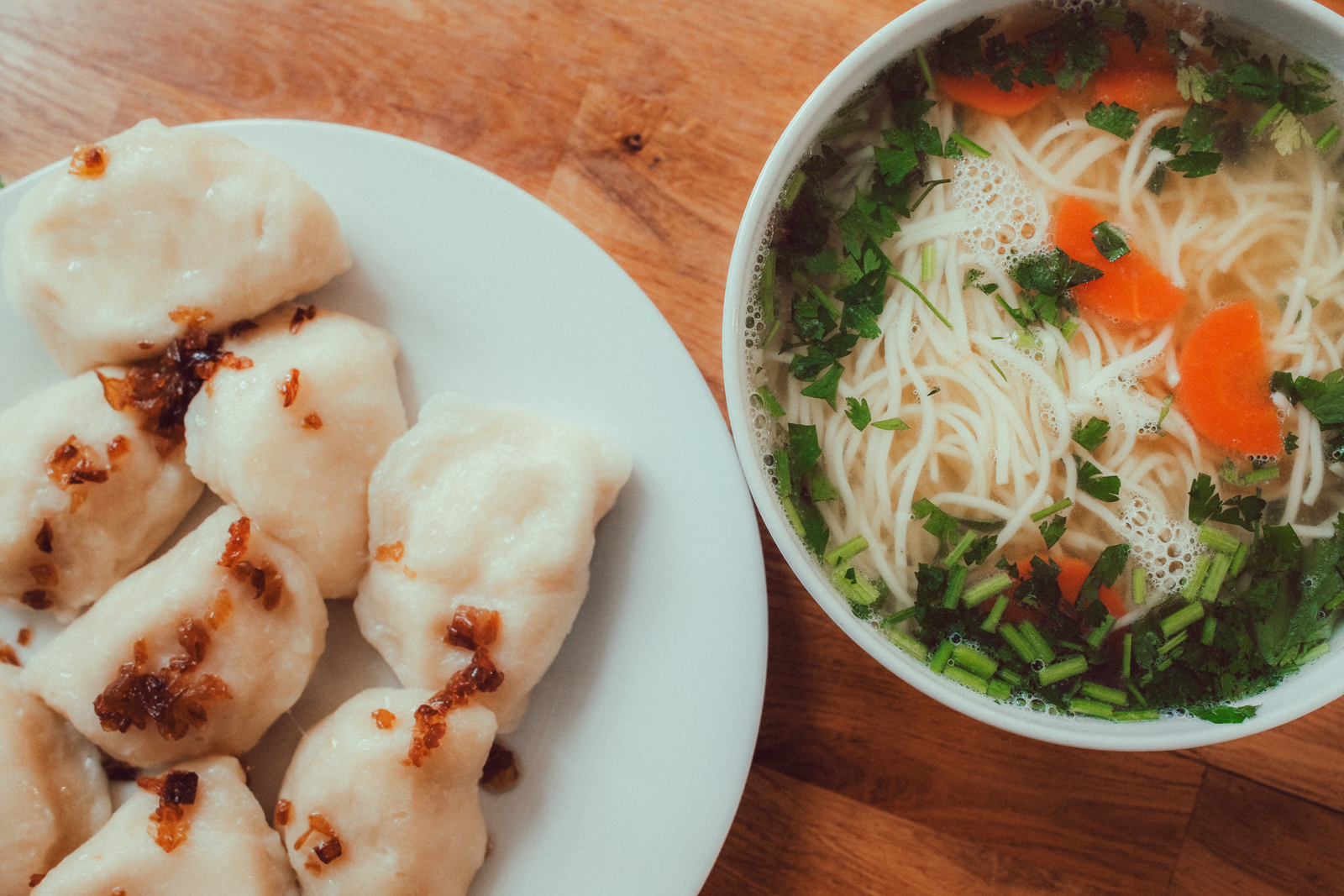
Adults who grew up poor and stayed modest cooks often share a set of behaviors that make more sense once you read them as anti-performance rather than pro-thrift.
They tend to cook the same handful of meals on rotation and feel no shame about it. They tend to dislike potlucks and dinner parties more than the average person, not because they're antisocial, but because the audience element is the part they grew up wary of. They tend to give food away easily — the abundance shows up in generosity, not display. They tend to feel quietly judged in stores like Whole Foods, even when no one is judging them.
And they tend, over time, to make peace with cooking the way their mother or grandmother cooked, even if they once tried to cook differently. Not because the old way was better. Because the old way was theirs.
The takeaway, such as it is
There's no fix needed here. A person who cooks modestly because elaborate food feels like a performance is not a person who needs to learn to host. They've already made a choice that most food culture refuses to acknowledge as a choice.
The choice is to let the meal be small. To let the kitchen be private. To let the audience leave.
And, somewhere underneath all of that, to honor a younger version of themselves who learned to find dignity in a pot of beans long before anyone told them dignity was supposed to look like something else.