CJ Foods, the South Korean conglomerate behind the Bibigo brand of frozen dumplings and packaged kimchi, is building a commercial land-based facility to cultivate gim — the Korean seaweed better known abroad as nori. The project aims to lock in a stable domestic supply as global appetite for Korean snacks pushes seaweed prices higher.
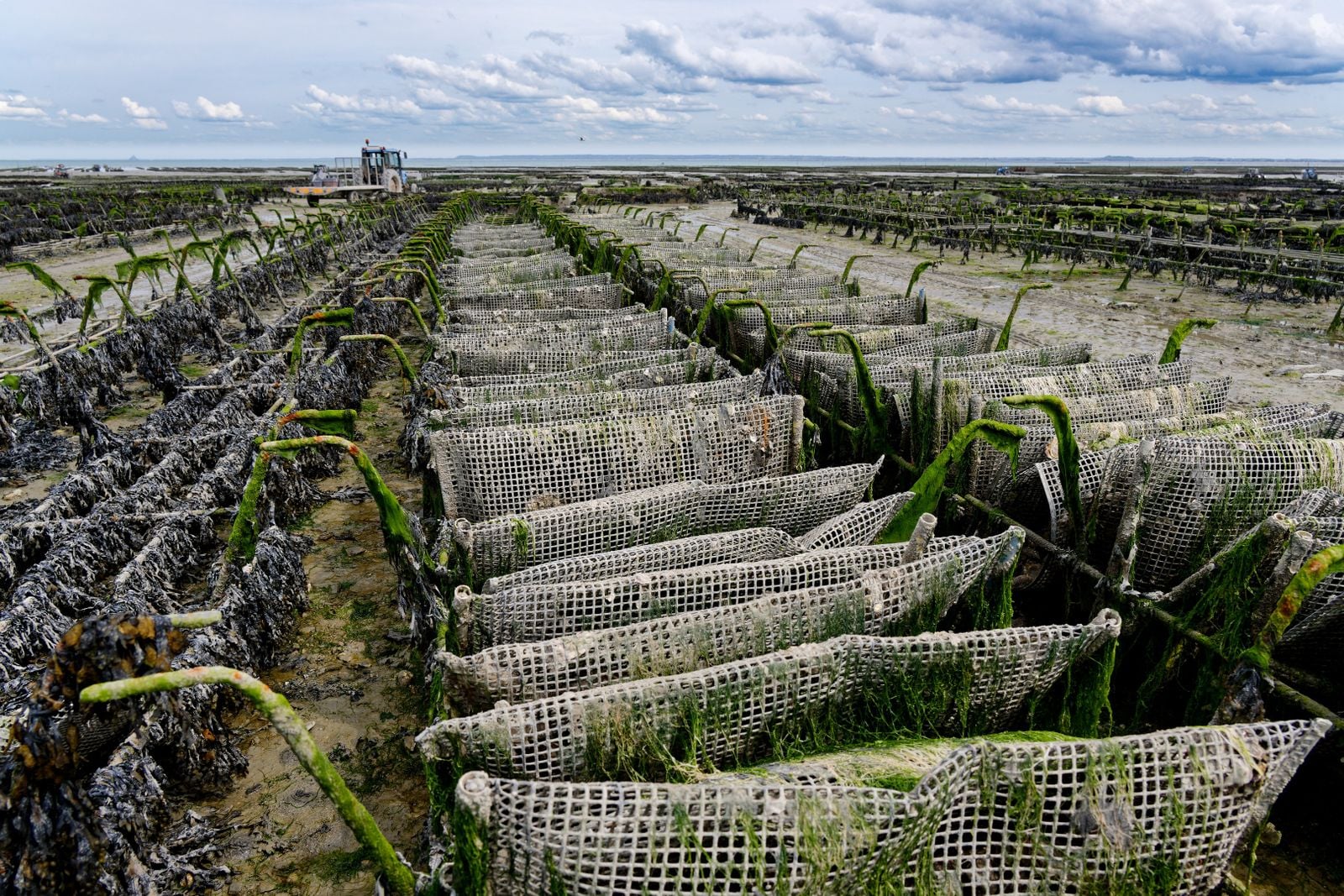
The conventional wisdom is that seaweed is the low-impact protein the food system has been waiting for — abundant, fast-growing, requiring no fresh water or arable land. What the Bibigo move quietly acknowledges is messier: wild and ocean-farmed seaweed supply is already straining under demand, and Korea's gim industry can no longer assume the sea will keep up.
CJ Foods broke ground on the facility to commercialize land-based gim cultivation, framing it as a way to reduce reliance on traditional ocean farming. The company has positioned the plant as part of a sustainability push for the Korean seaweed category, which has become one of the country's most visible food exports.
The demand picture explains the urgency. Korean seaweed snacks have gone from niche to mainstream in Western grocery aisles, and prices have followed. Global demand for Korean gim has driven wholesale prices to record highs, with warmer seas and limited farming zones squeezing supply.
Land-based cultivation sidesteps some of those bottlenecks. It also sidesteps one of the more uncomfortable questions in ocean aquaculture: what exactly is feeding the seaweed. Seaweed grown near salmon farms can absorb nutrients from farm effluent — useful for bioremediation, but a complication for brands marketing seaweed as pristine.
A controlled indoor system gives CJ Foods something the open ocean cannot: consistency. Light, temperature, salinity, and nutrient inputs can be dialed in, which matters for a product sold on color, texture and umami. It also creates a traceable supply chain at a moment when buyers — especially in Europe and North America — are asking sharper questions about provenance.
This connects to something we've been investigating on our YouTube channel — the larger crisis facing seaweed as a food source, where despite its revolutionary potential, wild kelp forests face mounting pressures, creating the exact supply challenges that are pushing companies like CJ CheilJedang toward controlled cultivation systems.
There is a counterargument worth taking seriously. Land-based aquaculture is energy-intensive, and seaweed's climate credentials come largely from the fact that ocean farming requires no feed, no fertilizer and no fresh water. The case for seaweed as a climate tool rests on its ability to absorb carbon while growing in open water. Move it indoors and some of that math changes.
The bet CJ Foods appears to be making is that supply security and quality control are worth the trade-off, particularly for a premium product line that already commands a price premium overseas.
For the broader plant-based space, the story is less about one company and more about what it signals. Seaweed has been pitched as a future ingredient — in burgers, in cattle feed, in packaging. The Bibigo plant is a reminder that the present demand is already outrunning the present supply, and that the companies cultivating the category are the ones deciding what its next chapter looks like.