The instinct looks like generosity. The fridge stocked for six when three are coming, the second tray of cookies pulled from the oven just in case, the friend who shows up to a dinner party holding a bag heavier than the host asked for. From the outside, it reads as warmth. From the inside, for the adult doing it, it often feels more like relief.
That gap, between how the behavior is perceived and what it is actually doing for the person performing it, is where the real story sits.
The conventional wisdom about overfeeding parents and over-catering hosts tends to land on culture. Italian grandmothers. Jewish mothers. Southern hospitality. Immigrant households. The framing is affectionate and a little reductive, and it misses what childhood scarcity research keeps pointing toward: the behavior can show up wherever a household once ran short, and it can persist long after the shortage ends.
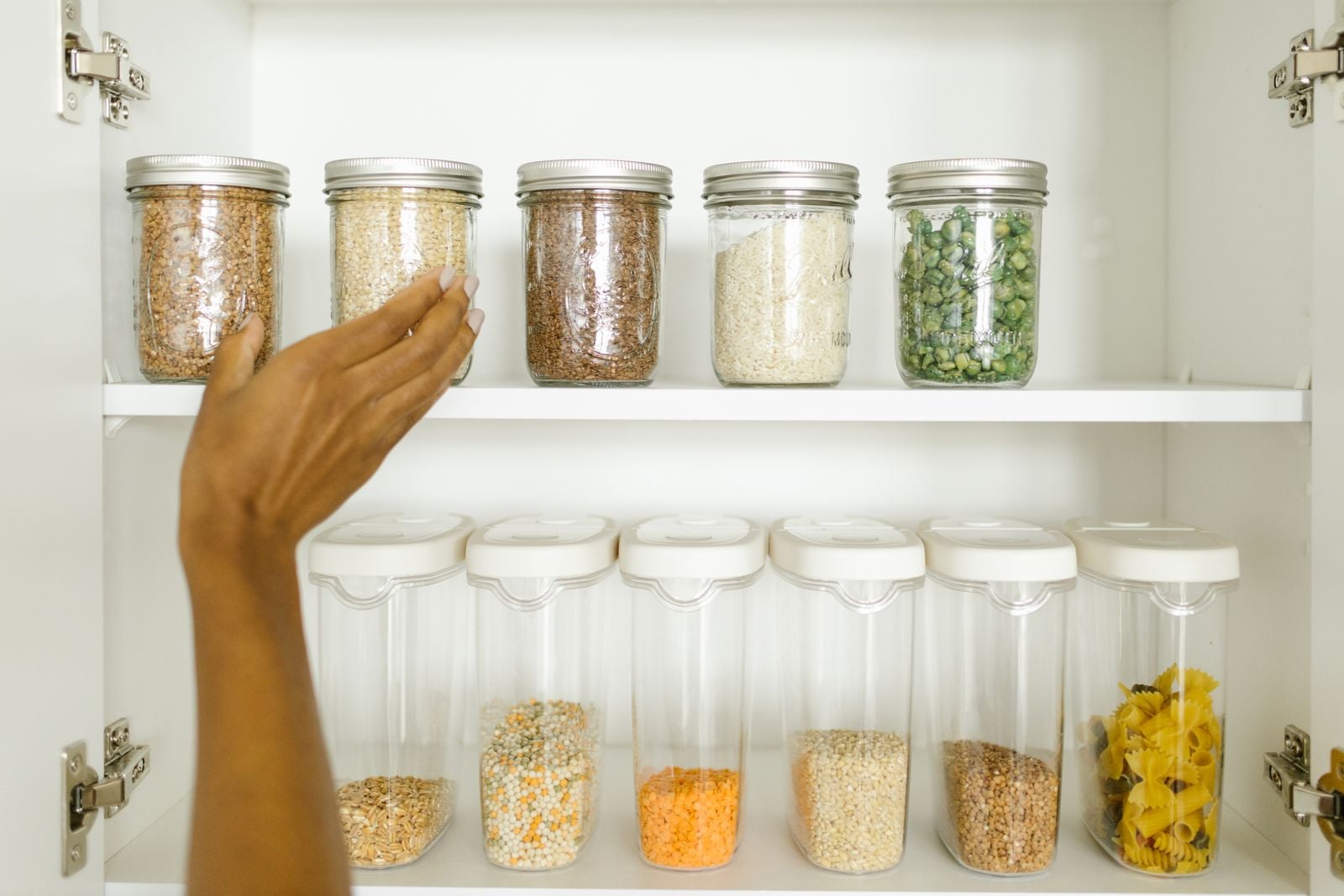
What the pantry is actually doing
A child who grows up watching a parent measure rice, stretch a chicken across three meals, or apologize to a guest for what is not on the table learns something the conscious mind does not always catalogue. They learn that food is a site of vulnerability. That running out is a small social wound. That having extra is the only reliable form of safety.
That learning does not get unlearned by a raise, a full pantry, or a stable adult life. It gets buried under those things, which is different.
The window during which this kind of patterning can begin is earlier than most people assume. Research on the first 1,000 days of life has been steadily building the case that nutrition, caregiving, and the broader environment during conception through age two help shape lifelong health. The child may not remember being hungry as an infant. The body may still learn what shortage feels like.
The hospitality reflex
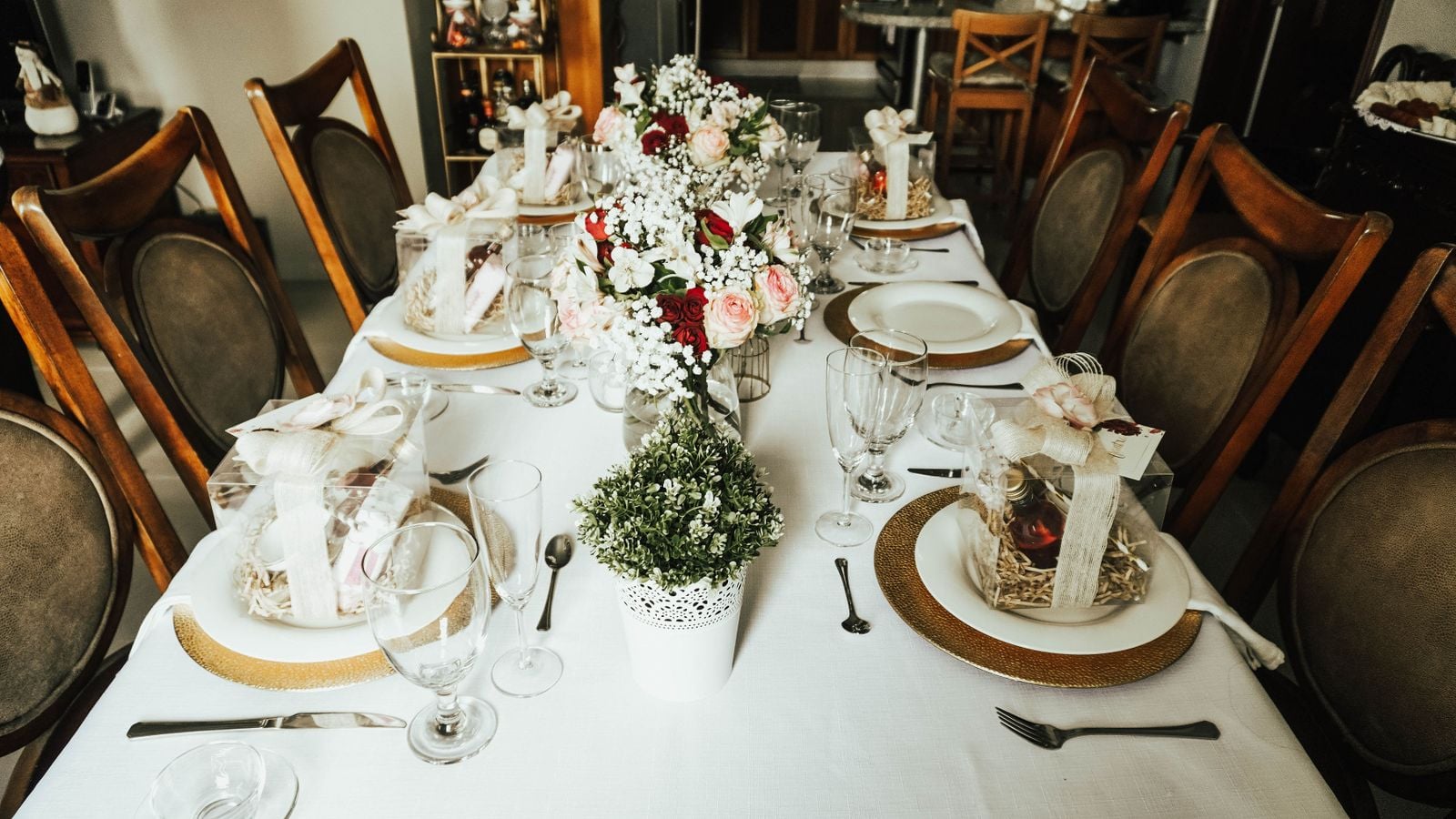
Watch a host who grew up food-insecure prepare for guests and you will see a particular choreography. The shopping list gets padded. A second protein gets added in case someone does not eat the first one. Dessert is over-indexed. There is a quiet tally running underneath the cooking, and the tally is about a younger version of the host, sitting at a table where the platter went around once and did not come back.
The over-catering is a message sent backward in time. Nobody at this table will feel what I felt.
It is also, often, a hedge against shame. Food insecurity in childhood has been linked with poorer long-term mental and physical health, including higher rates of anxiety and depression in children. One possible downstream habit is intense vigilance around provisioning. The adult who buys three bags of chips when one would do is not being wasteful in their own internal accounting. They are paying an insurance premium against a feeling.
Why the reflex does not fade
People assume that material stability resolves these patterns. It does not, or at least not quickly. The reason has to do with how repeated habits become familiar.
A child who spent ten years tracking what was and was not in the fridge has, by adulthood, a background system that moves fast. The grocery list writes itself. The mental check about having enough happens before guests are even invited. These do not always feel like decisions anymore. They feel like reflexes.
And reflexes, by definition, do not respond neatly to new evidence. The pantry being full does not always update them. The bank account being healthy does not always update them. The behavior keeps firing because it once answered a real question: What happens if there is not enough?
The intergenerational layer
This is where the pattern can get handed down, often invisibly. A parent who grew up with scarcity may overfeed their own children, not as a conscious correction, but because abundance is the only version of care that feels complete. Clean plates get praised. Seconds get pushed. Leftovers get framed as a small moral victory.
The child receiving this does not experience scarcity. They experience a parent who is unusually invested in whether they finished their dinner. Which becomes its own kind of patterning.
Researchers writing about intergenerational transmission of trauma often describe how emotional patterns, coping strategies, and family stories can move across generations. In a food-scarcity household, what gets passed down is not always the original shortage. Sometimes it is the strategy built around it. The grandmother stretched the chicken. The mother overfeeds. The daughter grows up with a complicated relationship to fullness that has less to do with hunger than with what hunger meant in her grandmother's house.
The friend who arrives with more
There is a specific social version of this that is worth naming. The friend who is told to just bring themselves and shows up with a bottle of wine, a side dish, and a small bakery box. The colleague who organizes the team lunch and orders forty percent more than the headcount. The relative who cannot visit without a bag of something.
From the outside, this looks like a generous personality. From the inside, it is often a small, persistent unease being soothed in real time.
The bag is a passport. It guarantees that the person carrying it cannot, under any social circumstance, be the one who took without giving. For an adult who grew up watching their family receive food from neighbors, food banks, or extended relatives, or who watched a parent's face when they could not host the way they wanted to, that guarantee is worth a lot.
VegOut has explored a related version of this in a piece on adults who always pack their own snacks: the same vigilance, pointed inward instead of outward. The over-caterer protects the room. The snack-packer protects themselves. Often, both habits live in the same person.
What the body is tracking
One useful way to understand this is through research on stress over time. A study summarized by researchers at the University of Waterloo looked at hair cortisol as a measure of long-term stress in children with chronic physical illnesses, finding that persistently high cortisol was associated with more anxiety, depression, and behavioral concerns. The article is not about food scarcity specifically, but it does underline a broader point: the body can keep a longer record than the conscious mind.
For adults who grew up food-insecure, over-catering may not be only a learned social habit. In many cases, it is also a practical attempt to create a feeling of safety in a room where food once carried much higher stakes.
Why naming it matters
None of this is a problem to solve in a dramatic way. Most adults running this reflex are functional, beloved, and create the kind of homes other people want to be invited to. The over-cater is not a pathology. The full pantry is not a symptom.
But there is a quieter version of the same point worth taking seriously. The reflex costs something. It costs money, in marginal spending on food that will not get eaten. It costs energy, in the constant background calculation of whether enough has been provided. And it costs a particular kind of rest, the kind that comes from genuinely believing the table will be fine without one more dish.
The grocery routine, the stocked pantry, the bag at the door: these are not failures of awareness. They are often old promises. Naming the promise does not dissolve the need for it. But it can make the relationship with the behavior slightly more conscious, which is often the first condition for any habit to soften.
The slow part
Big shifts rarely come from declaring the reflex irrational. They come from small, repeated experiences that gently update it. The host who deliberately under-buys for one dinner party and watches nobody go hungry. The parent who serves smaller portions and sees the child stop when full. The friend who arrives empty-handed once and notices that the room still wants them there.
None of this erases the original wiring. It just lays a thin new layer on top of it, and then another, until the reflex has a slightly quieter version of itself it can switch to when the old one is not needed.
The full pantry is not the problem. Believing the pantry is enough: that is the slow work.